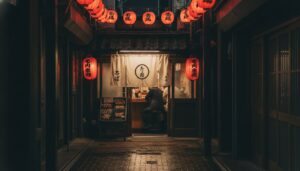

Most travelers think they’ve tasted the best of a destination, yet they often miss the quiet, steam-filled backstreets where true traditional soul food is born. It’s easy to get swept up in the crowds of popular areas and accidentally settle for a generic meal. Finding a truly authentic asakusa food tour means looking past the flashy signs. You need to find the hidden gems where third-generation artisans still hand-craft every dish with pride.
We know you’re looking for more than just a snack; you want to experience the deep spirit of Japanese hospitality and connect with the local culture. It’s natural to worry about ending up in a low-quality tourist trap or feeling lost in a massive group. This guide will help you select an experience that prioritizes authentic Washoku traditions and makes you feel like a local guest rather than just another customer.
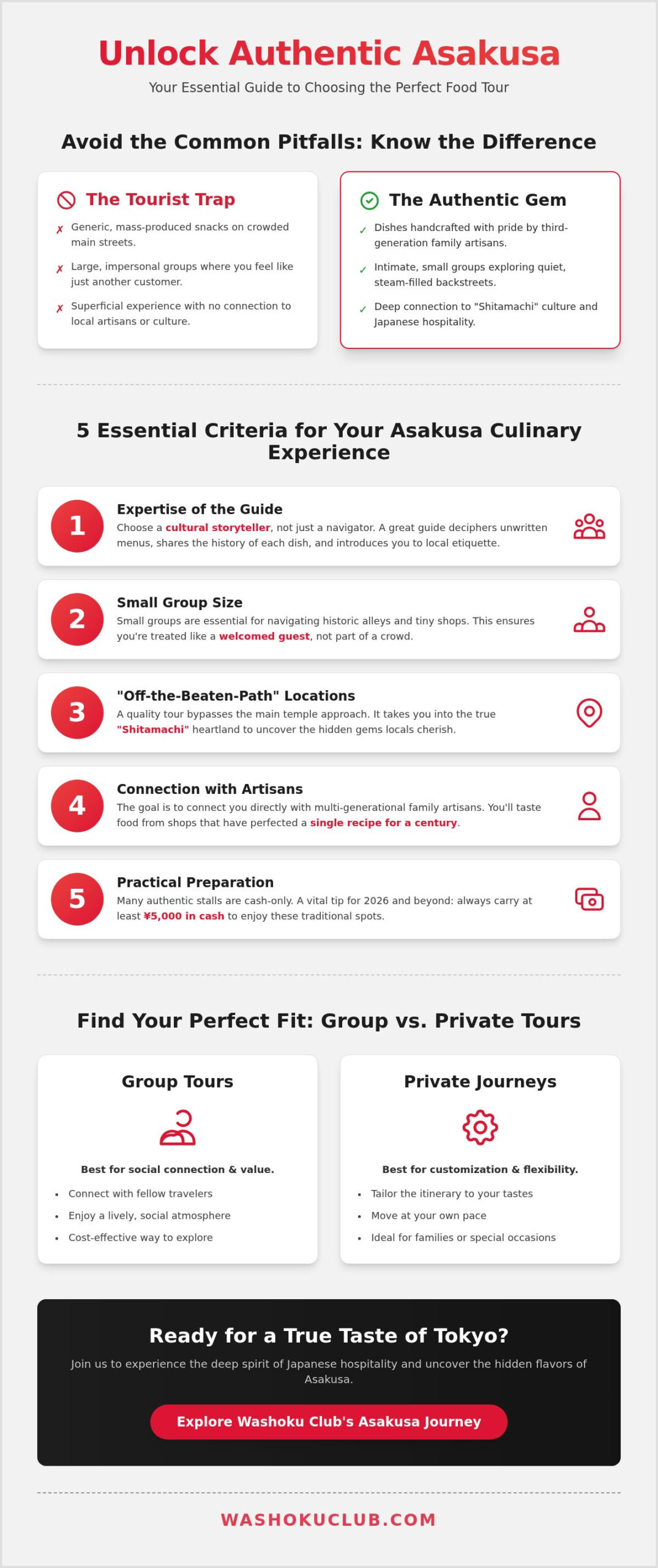
We’ll explore how to evaluate guide expertise, why small groups are essential for navigating historic alleys, and why carrying at least ¥5,000 in cash remains vital for those authentic, cash-only stalls in 2026.
Key Takeaways
- Learn how to bypass the tourist crowds to uncover the authentic “shitamachi” flavors that have nourished Tokyo’s working class for generations.
- Discover how to choose an asakusa food tour that avoids generic traps and connects you directly with multi-generational family artisans.
- Compare the social benefits of group food tours in Tokyo against the customization of private journeys to find your perfect culinary fit.
- Master the five essential criteria for vetting guides so you’re sure to find a true cultural storyteller rather than a simple navigator.
- Understand why small group sizes and “off-the-beaten-path” locations are the keys to ensuring you’re treated like a welcomed guest.
Beyond the Temple Gates: Why an Asakusa Food Tour is Essential
Walking through the thunderous Kaminarimon Gate is just the beginning of your story in this historic district. While most visitors stay on the main path, an asakusa food tour serves as your personal key to the hidden side of the city. We believe a food tour should be a curated journey that connects you with the artisans who have kept Tokyo’s culinary fires burning for centuries. It’s about stepping away from the selfie sticks to find the quiet steam of a backstreet kitchen and the families who have perfected their craft over generations.
Our guides help you decipher unwritten menus and understand the seasonal balance of traditional Japanese cuisine (washoku). You’ll move beyond the surface level to discover how each bite tells a story of resilience and craftsmanship. It’s the difference between simply eating a meal and sharing a meaningful moment with the people of Tokyo. We focus on the “soul food” that brings neighbors together, ensuring you feel like a welcomed guest in our home.
To get a true feel for the atmosphere of these historic streets, take a look at this vivid exploration of the local food scene:
The Soul of Old Tokyo: Understanding Shitamachi
Asakusa is the heart of “Shitamachi,” which translates to the low city. Historically, this was the home of merchants and craftsmen; their hardy, flavorful street food reflects that working-class spirit. In 2026, travel trends show that visitors are moving away from the neon-lit modernism of Shibuya in favor of these slow, immersive neighborhood experiences. You won’t find the polished perfection of a high-rise mall here. Instead, you’ll find grit, warmth, and the deep “umami” of a district that refuses to change its recipes just to follow a trend. It’s a place where history is tasted in every bowl of dashi.
Why DIY Food Tours Often Fail in Asakusa
It’s incredibly easy to fall into a tourist trap. Many stalls directly facing the temple gates offer mass-produced snacks that look beautiful but lack the soul of authentic cooking. Navigating 100-year-old family shops alone can be daunting, especially when menus are hand-written in kanji and the shopkeepers don’t speak English. Many of the most authentic spots are tiny stalls with very limited seating. Without a professional guide to help with cultural etiquette and pre-arranged access, you might spend more time standing in lines than actually tasting the food. We invite you to explore our full range of Tokyo experiences to see how we bridge these gaps and secure the best seats in the house for our guests.
Decoding the Shitamachi Palate: Authentic Flavors You Must Try
Close your eyes and imagine the scent of toasted soy sauce mingling with the deep, oceanic aroma of simmering kombu dashi. This is the olfactory map of Asakusa. When you join an asakusa food tour, you aren’t just tasting ingredients; you’re participating in a culinary lineage that stretches back centuries. The Shitamachi palate is defined by “Umami,” that savory fifth taste that provides a satisfying depth to even the simplest broth. It’s the honest, robust flavor of the people, born from a history of hard work and a deep respect for seasonal produce. We believe that the best way to understand Tokyo is through its stomach, specifically through the dishes that have nourished its residents since the Edo period.
As you wander through the bustling market alleys, the sensory experience is overwhelming in the best way possible. You’ll hear the rhythmic clinking of spatulas on iron grills and see the gentle steam rising from bamboo baskets. Every dish we share with you has a “people-first” story. These aren’t just snacks; they’re the result of family traditions where a single recipe might be the life’s work of a third-generation artisan. Finding the right asakusa food tour ensures you meet these creators face-to-face. If your appetite for Japan’s legendary market culture extends beyond Tokyo, the Kuromon Ichiba Market in Osaka offers a fascinating contrast as a 200-year-old covered street where the “Kitchen of Japan” tradition comes alive in an entirely different regional style.
Savory Classics: From Monjayaki to Standing Sushi
You can’t truly understand Tokyo’s soul food without trying Monjayaki. It’s a runny, savory pancake cooked on a flat grill right in front of you. It’s interactive, communal, and wonderfully messy. While some visitors might find its appearance unusual, locals know it’s the ultimate comfort food. Then there’s Standing Sushi. Long before it became a global luxury, sushi was the original “fast food” for busy workers. Eating a few pieces of fresh nigiri while standing at a counter remains a powerful connection to history. Finally, look for hand-made Soba. In Asakusa, the quality of the buckwheat flour and the local water creates a noodle with a snap and fragrance you simply won’t find in mass-produced versions.
The Sweet Side: Ningyo-yaki and Matcha Traditions
Walking through the narrow lanes, you’ll likely see artisans pouring batter into small, intricate molds. These are Ningyo-yaki, or “doll cakes,” often shaped like the iconic landmarks of the district. They’re filled with sweet red bean paste and served warm, offering a soft, cake-like texture. Nearby, the sharp, smoky aroma of freshly grilled Senbei (rice crackers) over charcoal is impossible to ignore. A brush of high-quality soy sauce creates a savory-sweet crunch that defines the Shitamachi experience. To finish, you’ll want to distinguish ceremony-grade Matcha from the sugary tourist variants. A proper bowl of matcha should be whisked into a frothy, vibrant green cloud that offers a gentle bitterness to balance your sweets.
Each of these flavors represents a family’s history and a chef’s dedication to their craft. We take pride in introducing you to the people behind the counters who have spent decades perfecting a single recipe. If you’re ready to taste the real Tokyo, we invite you to discover our curated experiences and join our community of food lovers.
Group vs. Private: Finding Your Perfect Group Food Tour in Tokyo
Choosing how you experience the city is just as vital as what you eat. We’ve seen that the right atmosphere can transform a simple meal into a lifelong memory. When you book an asakusa food tour, you’re faced with a choice: join a vibrant group of fellow explorers or opt for the quiet intimacy of a private journey. Each path offers a unique way to connect with the heart of Tokyo, and understanding the trade-offs in price, pace, and personalization will help you find your perfect fit.
For solo travelers or couples who love to share stories, group food tours in tokyo offer a wonderful social energy. There’s a specific joy in bonding over a shared plate of Monjayaki or a steaming bowl of dashi. However, the size of that group matters immensely. We believe that a cap of 8 people is the gold standard for quality. Anything larger, and you lose that personal connection with your guide and the local artisans who make this district so special.
Small Group Dynamics: The “Club” Experience
Asakusa’s most authentic eateries are often tucked away in narrow alleys where space is a precious commodity. A small group of 4 to 8 people hits the sweet spot. It’s large enough to spark diverse conversations but small enough to duck into a tiny, six-seat Soba shop without overwhelming the staff. This intimate scale allows you to actually talk with the shopkeepers, learning the secrets of their craft that a crowd of twenty would never hear. It’s why we emphasize the club feeling. You’re part of a small community of food lovers, not just a face in a crowd.
Private Excursions: Tailoring the Taste
Sometimes, you need a journey that’s built entirely around you. Private tours are the ultimate luxury for those with specific dietary needs, such as vegan or gluten-free requirements, which can be tricky to navigate in traditional Japanese kitchens. They’re also the ideal choice for families with toddlers who need a flexible schedule or for corporate groups looking for a curated bonding experience. You set the pace. If you want to spend an extra thirty minutes discussing the history of Senbei or skip the sweets to focus on savory Izakaya dishes, a private guide makes it happen. It’s a deeply human way to explore, ensuring every moment aligns with your curiosity.
Whether you choose the shared laughter of a group or the bespoke nature of a private guide, the goal remains the same. You deserve to feel like a welcomed guest in the Shitamachi. By selecting a tour with a strict group cap, you ensure that the quality of your asakusa food tour remains high, the stories remain personal, and the food stays authentic.
5 Essential Criteria for Evaluating an Asakusa Culinary Experience
Selecting the right asakusa food tour is about more than just finding a list of snacks. It’s about choosing a guide who acts as a cultural storyteller rather than just a navigator. When you’re looking for the perfect experience, you want to ensure your investment leads to a deep connection with the local community. We believe that a high-quality tour should feel like a bridge between your curiosity and the lived traditions of Tokyo’s artisans. To help you navigate the many options available in 2026, we’ve identified five essential markers of a truly authentic journey.
- Guide Expertise: Does the guide explain the “why” behind the dish, or are they just pointing at buildings? A great guide shares the history of the families behind the food.
- Vendor Relationships: Look for tours that support multi-generational family businesses. These deep roots ensure you’re tasting recipes that haven’t changed in decades.
- Food Variety: A balanced experience covers the full spectrum of the Shitamachi palate, moving from light street snacks to heartier sit-down meals.
- Clear Logistics: Meeting points should be easy to find, and the walking distance should be manageable, typically covering about 2km of the district’s historic backstreets.
- Booking Transparency: You shouldn’t have to pull out your wallet every ten minutes. Ensure that all food, drinks, and local taxes are included in the upfront price.
The “Hidden Gem” Litmus Test
It’s easy for a tour operator to claim they visit “hidden gems,” but how can you tell if it’s true? A real local favorite usually has a history of at least 50 years and a customer base made up primarily of neighborhood residents. When you join a group food tour in Tokyo, the experience should feel like a trusted friend is showing you their favorite corner of the world. If the shop you’re visiting only has English menus and a line of tourists out the door, it might not be the authentic encounter you’re seeking. We take pride in introducing our guests to the quiet spots where the craftsmanship is the main attraction.
Dietary Flexibility and Inclusion
Navigating dietary restrictions like seafood or soy allergies can be challenging in a traditional district like Asakusa, where dashi is the foundation of almost everything. Before you book, it’s vital to ask how an operator handles these needs. While some generic tours might simply “skip” a stop for you, we believe in true inclusion. At Washoku Club, we work closely with our artisan partners to provide thoughtful alternatives that don’t sacrifice authenticity. We want every guest to feel fully included in the culinary conversation, regardless of their dietary requirements. It’s this “people-first” approach that ensures everyone leaves our table feeling satisfied and respected.
Ready to experience the heart of Tokyo’s food culture with a team that values authenticity as much as you do? We invite you to book your spot in our next small group journey and discover the secrets of the Shitamachi today.
Join the Club: Why Washoku Club’s Asakusa Journey is Different
When you step into our world, we don’t just see a booking reference; we see a welcomed guest entering our home. Our philosophy at Washoku Club culture and food tours is built on the belief that a true asakusa food tour should be a transformative cultural exchange. While other operators might lead you through the high-traffic corridors of Senso-ji, we’re committed to the quiet corners and the “off-the-beaten-path” locations that most travelers never find. We firmly reject the tourist-trap model because we believe you deserve to taste the real soul food of Tokyo, served with the same pride it was decades ago.
The human element is what truly sets our journey apart. We don’t just point at a shop; we introduce you to the third-generation chefs and artisans who keep Edo-period traditions alive. You’ll see the focus in their eyes and the calluses on their hands, hearing the stories of how they’ve preserved their family recipes through the changing face of the city. While our hearts are deeply rooted in the Shitamachi, we bring a national perspective to every bite. Our expertise spans across Japan, from the refined traditions of our Kyoto street food experiences to the bold, street-style energy of our Osaka experiences, including the legendary Kuromon Ichiba Market where over 150 shops have served as Osaka’s kitchen for more than 200 years. This breadth of knowledge allows us to provide a richer, more nuanced context for every dish you sample.
A Sensory Masterclass in Japanese Hospitality
In every interaction, you’ll feel the spirit of “Omotenashi,” our commitment to wholehearted hospitality. We anticipate your needs before you even realize them, ensuring every moment is seamless and warm. The climax of our journey isn’t just a final stop; it’s a shared meal that feels like a celebration among friends. You’ll sit together, reflecting on the day’s discoveries while enjoying flavors that represent the pinnacle of local craft. For those who wish to extend their culinary exploration into the realm of ultimate luxury, we also offer a specialized A5 Wagyu Yakiniku Experience that showcases the very best of Japanese beef culture.
Booking Your 2026 Adventure
The 2026 travel season is shaping up to be one of the most vibrant yet, and we want to ensure you have a seat at the table. Our direct booking system is designed for ease, providing you with immediate confirmation and the peace of mind that comes with flexible cancellation policies. Because we prioritize small, intimate groups to maintain the quality of your experience, our spots fill up quickly. We recommend booking your journey well in advance to secure your place in the heart of the Shitamachi. We can’t wait to share the secrets of our neighborhood with you. We invite you to explore all our Tokyo and national food tours here and start planning your next great culinary memory.
Your Seat at the Shitamachi Table Awaits
Choosing an authentic experience means looking for those multi-generational family stalls and small group dynamics that allow for true connection. You now know how to spot the difference between a generic tourist path and a journey that respects the deep “umami” of Tokyo’s history. It’s about finding the people behind the food who have spent decades perfecting their craft in the quiet backstreets of the city.
Since we founded Washoku Club in 2016, our focus has always been on artisan storytelling and intimate group sizes that create a true “club” feel. We don’t just show you the sights; our expert guides bridge the gap between you and local traditions to ensure you feel like a welcomed guest rather than just a customer. Every asakusa food tour we lead is a commitment to keeping these “off-the-beaten-path” secrets alive and supporting the families who make this district special.
Book Your Authentic Asakusa Food Adventure Today. We’re ready to pull up a chair for you and share the timeless flavors of our neighborhood. We can’t wait to welcome you into our community of food lovers.
Frequently Asked Questions
Is an Asakusa food tour worth it if I have allergies?
An asakusa food tour is absolutely worth it even with allergies, provided you notify your guide in advance. We pride ourselves on deep relationships with local shopkeepers who can often adapt traditional recipes for seafood or soy sensitivities. While some dishes are foundational, we always strive to find a safe and delicious “Washoku” alternative so you never feel left out of the culinary experience.
What is the best time of day for a food tour in Asakusa?
The best time for a culinary journey is typically late morning or early evening. A midday tour allows you to witness the vibrant energy of the market stalls at their peak when the aromas of grilled snacks fill the air. Evening tours offer a different atmosphere as the temple lights up and the local izakayas begin to buzz with neighborhood residents ending their day.
Are these tours suitable for children and seniors?
Our tours are designed to be inclusive for both children and seniors. We focus on a relaxed pace that allows everyone to soak in the history and flavors without feeling rushed. The interactive nature of dishes like Monjayaki is often a highlight for younger guests. We ensure there are plenty of opportunities to sit, rest, and enjoy the hospitality of our artisan partners.
How much walking is involved in a typical Asakusa tour?
A typical asakusa food tour involves approximately 2 kilometers of walking through the district’s historic alleys. We recommend wearing comfortable footwear as we navigate a mix of paved streets and narrow back lanes. The route is broken up by frequent stops at local shops and eateries, ensuring the physical demand is manageable for most fitness levels while we explore hidden gems.
Do I need to tip my food tour guide in Japan?
You don’t need to tip your guide or the restaurant staff in Japan. Tipping isn’t a part of Japanese culture and can sometimes cause confusion or discomfort. The best way to show your appreciation is with a sincere “Gochisousama-deshita” after your meal. We ensure our guides are fairly compensated, so your presence and enthusiasm are the only rewards they seek.
What happens if it rains during the scheduled tour?
Tours generally proceed rain or shine, as many of Asakusa’s market streets and arcades are covered. We suggest bringing an umbrella or a light raincoat if the forecast looks grey. If extreme weather conditions make a tour unsafe, we’ll contact you immediately to discuss rescheduling or alternative arrangements. A little rain often adds a beautiful, reflective atmosphere to the historic temple district.
Will there be enough food for a full meal?
There will certainly be enough food to constitute a full, satisfying meal. Our curated journeys include multiple tastings that range from light street snacks to more substantial savory dishes. Most guests find they’re quite full by the end of the experience. We recommend arriving with a healthy appetite so you can fully enjoy the variety of seasonal soul food we’ve selected for you.
Can I book a private tour for a large corporate group?
We certainly offer private tours tailored for large corporate groups or special family gatherings. These excursions allow for a higher degree of customization and a pace that suits your specific party. While we maintain our commitment to an intimate feel, we can coordinate logistics for larger numbers to ensure everyone experiences the same high level of Japanese hospitality and artisan storytelling.