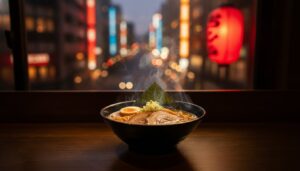

What is an Izakaya? Understanding the Soul of Shinjuku Dining
Imagine walking into a room where the air is thick with the savory scent of grilled yakitori and the clinking of cold beer mugs. If you’ve ever wondered What is an Izakaya?, think of it as the heart and soul of Tokyo’s night. It’s a Japanese gastropub where the food is just as important as the drink. Unlike a Western bar where you might just grab a pint, here you enjoy “Washoku” (traditional Japanese cuisine) in a lively, casual setting. On a shinjuku izakaya tour, you’ll see that these spots are the essential release valves for the city’s hardworking “salarymen.” They provide a place to shed the rigid formalities of the office and embrace the warmth of good company.
To better understand this vibrant atmosphere, watch this helpful video:
The Atmosphere: Why the Vibe Matters
The vibe is everything. You’ll hear the energetic, rhythmic shout of “Irasshaimase!” as you enter, a greeting that immediately makes you feel like a welcomed guest. It’s a sensory experience that defines the shinjuku izakaya tour. The smell of binchotan charcoal grilling seasonal meats fills the air while the low hum of conversation creates a cozy, communal energy. In Shinjuku, you’ll find “hidden gems” tucked away in narrow, smoky alleys like Omoide Yokocho. These rustic, wood-paneled interiors stand in beautiful contrast to the flickering neon lights and towering skyscrapers of the modern city just a few steps away. It’s a step back in time that feels both ancient and perfectly suited for today.
The Social Role of the Izakaya
These spaces serve a vital social purpose in Japanese life. Japan has a unique concept called “nomunication,” which is a clever blend of drinking (nomu) and communication. It’s the magical moment where social hierarchies melt away. A junior employee and a senior manager can speak freely over a plate of sashimi and a bottle of sake. Most locals begin their evening between 6:00 PM and 8:00 PM, filling these hubs with a peak energy that is contagious. At Washoku Club culture and food tours, we don’t just see you as a customer. We treat you like a member of our local community. If you’re looking for a deeper connection to these traditions, exploring our all-tours page can help you find the perfect evening experience that goes far beyond a typical tourist itinerary.
How to Spot an Authentic Shinjuku Izakaya (and Avoid Tourist Traps)
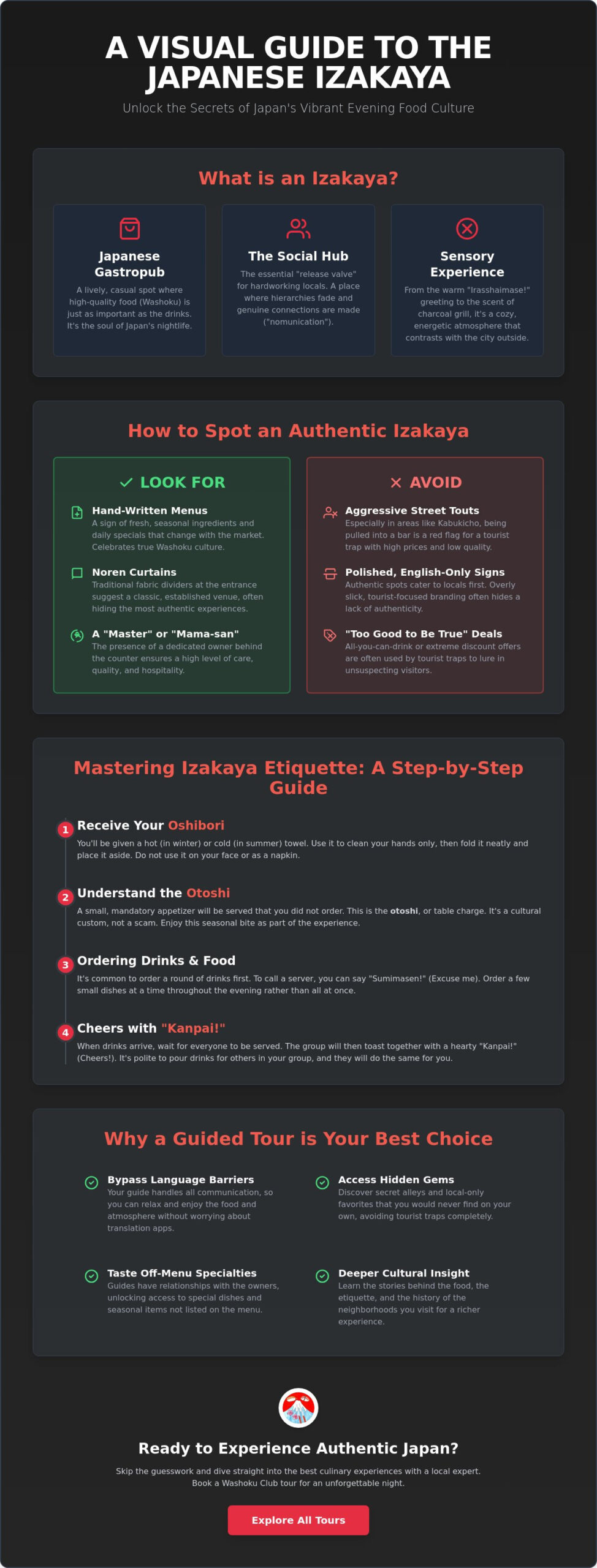
Finding the right spot on a shinjuku izakaya tour is an art form. Shinjuku is a labyrinth of neon, but the most authentic experiences often announce themselves quietly. Look for the Akachochin, those iconic red paper lanterns swaying gently by the door. These aren’t just decorations. They are beacons of hospitality that signal a welcoming space where the food is honest and the atmosphere is warm. A true local gem is usually presided over by a “Master” or a “Mama-san.” These dedicated owners are the heartbeat of the shop. Their presence ensures that the traditional dietary cultures of the Japanese are respected in every small plate served.
Be wary of the aggressive street touts, especially in the Kabukicho area. If someone is trying to pull you into a bar with overly polished, English-only signage and promises of “too-good-to-be-true” deals, it’s likely a tourist trap. These establishments often lead to overpriced, underwhelming meals that lack the soul of a genuine neighborhood haunt. We always recommend choosing spots along the main streets of the East Exit or the cozy corners of the West Exit instead.
Visual Cues for Hidden Gems
Authentic shops often hide behind a noren (fabric curtain) or a delicate wooden lattice. Don’t be shy about peeking through a window or a gap in the curtain. If you see a cramped space filled with the steam of a simmering pot and the lively chatter of regulars, you’ve found a winner. Some of the most incredible flavors in Tokyo are found in tiny stalls tucked directly under the train tracks. These “hole-in-the-wall” spots prioritize seasonal taste and communal spirit over flashy aesthetics.
The “Menu Test” for Authenticity
Always check the menu before you sit down. Is it hand-written on a piece of paper or a chalkboard? That’s a fantastic sign. It means the chef is sourcing fresh, seasonal ingredients from the market that very morning. A massive menu featuring generic photos of every dish imaginable is a major red flag. It often suggests frozen, mass-produced food rather than soul food. Be cautious of “all-you-can-drink” (nomihodai) deals that are exceptionally cheap. While they can be fun, they sometimes indicate the kitchen is cutting corners on food quality to balance the alcohol costs. If you want to skip the guesswork and dive straight into the best family-run spots, exploring our curated food tours is the perfect way to eat like a local without the stress.
How to Navigate Izakaya Etiquette: A Step-by-Step Guide
Stepping into a bustling local haunt can feel like joining a choreographed dance where everyone knows the steps but you. Don’t let that stop you. The beauty of a shinjuku izakaya tour is that these rituals are designed to build a sense of community and warmth. Once you understand the flow, you’ll stop feeling like a visitor and start feeling like a guest of the house. While some travelers look for a MICHELIN Guide’s top-rated izakaya, even the humblest local corner shop follows these time-honored steps to ensure every diner has a seamless night.
Step 1: The Entrance and Oshibori. As soon as you’re seated, your host will present you with an oshibori. This is a wet towel, served hot in winter and chilled in summer. Use it to thoroughly cleanse your hands. It’s a simple, refreshing act of purification before you touch your food.
Step 2: The Otoshi. Shortly after sitting down, a tiny dish will appear before you. Otoshi is a small, mandatory appetizer that serves as a seating fee. This isn’t an accidental charge on your bill; it’s a centuries-old tradition that ensures the kitchen can start your experience immediately while you browse the menu.
Step 3: The First Drink. The golden rule is “Toriaezu biru,” which means “Let’s start with beer.” Ordering a Nama Biru (draft beer) immediately keeps the energy high and gives you time to look over the seasonal specials. In Japan, the legal drinking age is 20, and it’s strictly enforced for everyone.
Step 4: The Art of Sharing. Unlike Western dining where everyone gets their own plate, izakayas are all about the communal table. Order multiple small plates for the whole group to share. It’s the best way to experience a wide variety of “Washoku” flavors in one sitting.
Step 5: The Exit. When you’re ready to leave, signal the staff by making an “X” with your index fingers. This is the universal sign for the bill. Remember that there’s a strict “no tipping” rule in Japan. Exceptional service is already included in the hospitality you’ve received.
Mastering the Order and Menu
To eat like a local, follow the natural rhythm of the kitchen. Start with light, cold dishes like sashimi or a refreshing salad. Move on to grilled items like Yakitori, and then fried specialties. Always end your meal with a “finishing” starch, such as grilled rice balls (yaki-onigiri) or a small bowl of noodles, to soak up the evening’s drinks. If the menu feels overwhelming, simply ask for the “Osusume.” This asks for the chef’s top recommendations, ensuring you get the freshest seasonal bites available that day.
Social Do’s and Don’ts
Building rapport is part of the fun. One of the most important rules is to always pour drinks for others, never for yourself. If you see your neighbor’s glass is low, offer to top it up. They’ll likely return the favor. When the first round of drinks arrives, wait for everyone to be ready for the “Kanpai” (toast). Make eye contact and lift your glass to start the night. If you’re sharing from a communal plate, use the thick end of your chopsticks or ask for a separate serving pair to keep things hygienic and respectful for everyone at the table.
Planning Your Route: From Shimbashi Alleys to Roppongi Glow
While the neon lights of Shinjuku are iconic, a truly masterful shinjuku izakaya tour often involves exploring the fascinating contrasts between Tokyo’s distinct neighborhoods. We recommend starting your evening where the city’s heartbeat is loudest: the historic alleys of Shimbashi. Between 6:00 PM and 8:00 PM, these streets transform into a high-energy theater of urban life. You’ll see thousands of professionals pouring out of office buildings and into the welcoming warmth of their favorite local haunts. It’s the peak rush hour for flavor, and the energy is absolutely contagious.
To experience the full breadth of Japanese nightlife, you should aim to pace yourself across three distinct stops. This allows you to sample different specialties without feeling overwhelmed. Start with something light and quick, move to a substantial sit-down meal, and finish with a refined nightcap. This deliberate pace ensures you remain a guest of the experience rather than just a customer passing through. If you want a perfectly curated path through these hidden corners, our group food tours in Tokyo offer a seamless way to navigate these transitions with expert local guidance.
The Early Evening: Traditional Shimbashi Alleys
Begin your journey in the “Salaryman” capital under the brick arches of the JR tracks. This area is famous for tachinomiya, or standing bars. These spots are perfect for a high-energy start to your crawl. Order a plate of classic yakitori and pair it with a crisp highball or a glass of local sake. The rustic, wood-paneled interiors and the smoky aroma of the grills provide that “Old Japan” aesthetic that photographers dream of capturing. It’s raw, authentic, and deeply rooted in the daily lives of Tokyo’s residents.
The Late Night: Transitioning to Roppongi
As the night matures, we suggest moving toward the international glow of Roppongi. The atmosphere shifts dramatically from wooden stools to sleek, modern lounges and sophisticated craft cocktail bars. This is where tradition meets modernity in a glass. After exploring the upscale lounges, don’t forget the most important Japanese tradition: the shime. This “finishing meal” is usually a comforting bowl of ramen or ochazuke (rice with green tea). It’s the soul-satisfying conclusion to a night of exploration, ensuring you head back to your hotel feeling perfectly content.
Why a Guided Shinjuku Izakaya Tour is the Ultimate Way to Explore
Choosing to join a shinjuku izakaya tour with a local expert changes the entire nature of your evening. You aren’t just a customer; you become a welcomed guest with access to the “Secret Menu.” Many family-run spots have daily specials that never make it onto the printed English menu. Our guides know the chefs and families personally, which means you’ll be tasting the most exquisite seasonal bites that others simply miss. It’s the difference between eating a meal and experiencing a story. When you have a local by your side, the “salaryman” culture comes to life through their eyes, providing a perspective that goes far beyond what you’d find in a guidebook.
The language barrier is a real hurdle for many travelers, but it’s about more than just words. It’s about cultural translation. We bridge the gap between you and the Master behind the counter, ensuring you understand the history of the dish and the passion that went into its preparation. Some of the most authentic spots in Shinjuku are tiny, seat-only establishments where solo tourists might feel like they’re intruding. With us, that anxiety disappears. We open doors to invite-only atmospheres where you can truly immerse yourself in the local scene without the fear of making a social misstep.
The Washoku Club culture and food tours Difference
We’ve built our reputation on a firm rejection of corporate chains and soul-less tourist traps. At Washoku Club culture and food tours, we believe in human storytelling and the power of a shared meal. Our guides are passionate locals who treat you like a guest in their own home rather than a name on a booking list. Whether you’re traveling solo or with a group, we provide curated experiences for both small and large groups that focus on authenticity and connection. We want you to feel the pulse of the city through its food and the artisans who create it.
Booking Your Culinary Adventure
When you join our Shinjuku Food Tour, expect an evening filled with laughter, discovery, and incredible Umami. Preparing is easy; just come hungry and bring your curiosity. You’ll be part of a community of food lovers, embracing the spirit of the “club” as we move from one hidden gem to the next through the vibrant Shinjuku night. The alleys are waiting to reveal their secrets to you. Your next step is simple: Join an authentic Washoku Club culture and food tours experience and let us show you the Tokyo we love.
Ready to Savor the Magic of Tokyo After Dark?
You now hold the keys to unlock the most authentic evening experiences Japan has to offer. By learning to spot those glowing red lanterns and navigating the fascinating transition from the rustic alleys of Shimbashi to the sleek lounges of Roppongi, you’ve moved far beyond the typical tourist path. These small cultural nuances are what transform a simple meal into a lifelong memory of Japanese hospitality.
A shinjuku izakaya tour is your gateway to the stories, people, and seasonal flavors that define our urban culture. Since 2016, Washoku Club culture and food tours has focused on providing expert-led journeys that celebrate genuine gastronomy and deep human connection. Our highly rated “Passionate Local Guides” are ready to lead you to the hidden gems and family-run stalls that define the soul of the city.
Don’t leave your Tokyo culinary memories to chance. Join an authentic Washoku Club culture and food tours experience and eat like a local to ensure your night is filled with warmth and true soul food. We’re excited to welcome you into our community and share a seat at the table. Kanpai!
Frequently Asked Questions
What exactly is “Otoshi” and do I have to pay it?
Otoshi is a small, mandatory appetizer served to every guest upon arrival, and yes, you’re required to pay for it as a table charge. It typically costs between ¥300 and ¥600 per person. Think of it as a gesture of hospitality that allows the kitchen to welcome you immediately while you settle in. It’s a fundamental part of the experience that helps sustain these small, independent businesses.
Can I find vegetarian or vegan options on a Shinjuku izakaya tour?
You can certainly find meat-free dishes, though traditional spots often use dashi (fish stock) in vegetable preparations. We recommend looking for specialized “Neo Izakayas” or places focusing on tofu and seasonal produce. On a shinjuku izakaya tour with us, we help navigate these dietary needs to ensure you enjoy authentic flavors without compromise. Edamame, pickled vegetables, and grilled ginkgo nuts are excellent vegetarian-friendly staples.
Is it necessary to make reservations for izakayas in Japan?
Reservations are highly recommended for popular or award-winning spots, especially on Friday and Saturday nights. However, the true magic of bar hopping lies in walking into tiny, hidden gems that don’t even take bookings. Many smaller shops under the train tracks operate on a first-come, first-served basis. If you’re traveling in a group larger than four, calling ahead is always a polite and practical move.
What is the best time of night to start an izakaya hopping tour?
The ideal time to begin your journey is between 6:00 PM and 7:00 PM to catch the peak energy of the city. This is when the local crowd arrives, filling the air with lively conversation and the scent of fresh charcoal. Starting early also ensures you have the best chance of snagging a seat at the most popular establishments before they reach capacity later in the evening.
Do izakayas in Shinjuku have English menus?
Most large, modern establishments in major hubs provide English menus, but the most authentic hidden gems often rely on hand-written Japanese signs. Don’t let this discourage you. Many chefs are happy to guide you through their recommendations even if there’s a language gap. Joining a shinjuku izakaya tour removes this barrier entirely, as your guide handles the ordering and explains every seasonal specialty for you.
What is the typical cost of a night out at an izakaya in 2026?
In 2026, a typical evening of food and drink generally ranges from ¥4,000 to ¥7,000 per person, depending on your appetite and choice of sake. This usually covers a variety of shared small plates and two or three drinks. Keep in mind that specialized ingredients like A5 Wagyu or premium seasonal seafood will naturally increase the final bill. Most local spots now accept major credit cards.
Is it okay to go to an izakaya alone, or is it strictly for groups?
Solo dining is perfectly normal and widely accepted in Japan. Many traditional izakayas feature counter seating specifically designed for individuals to watch the chef at work. It’s a wonderful way to strike up a casual conversation with the “Master” or fellow regulars. You’ll never feel out of place grabbing a drink and a few skewers of yakitori on your own after a long day.
What should I wear to a traditional izakaya in Shinjuku?
There’s no formal dress code for most izakayas, so casual or smart casual clothing is absolutely fine. Since these spaces can be quite cozy and sometimes smoky from the charcoal grills, we suggest wearing something comfortable. If you’re visiting a more traditional spot with tatami mat seating, remember to wear clean socks as you’ll be required to remove your shoes at the entrance.