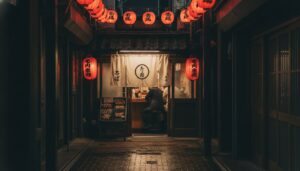
Introduction to Traditional Meals in Japan
Traditional meals in Japan are not only about what is on the plate. They are about season, balance, gratitude, and the quiet pleasure of eating something prepared with care. For many travelers, japanese food becomes one of the strongest memories of the trip: a steaming bowl of miso soup at breakfast, grilled fish with rice in a tiny shokudō, or hot pot dishes shared on a cold evening.
Traditional Japanese cuisine, known as Washoku, is built on a foundation of harmony, seasonality, and respect for nature. In 2013, Japan’s traditional culinary culture, Washoku, was recognized as a UNESCO Intangible Cultural Heritage for its role in promoting social harmony and connection to nature. At its heart is ichijū-sansai, meaning “one soup, three sides,” usually rice, soup, one main dish, two small dishes, and pickles.
A meal built around balance. Japanese food culture emphasizes shun, or ingredients at their peak freshness, along with harmony of colors, textures, and portions. Washoku focuses on bringing out the natural flavors of seasonal ingredients, so even a typical meal can feel deeply connected to the time of year.
What you will taste first. Think of cooked rice, miso soup, pickled vegetables, grilled fish, tofu, hot pot, curry rice, and small bowls of vegetables cooked in dashi. These are not museum pieces. They are traditional foods still found in japanese households, family restaurants, ryokan breakfasts, and local counters across Tokyo, Kyoto, and Osaka.
At Washoku Club, we guide travelers through this world on the ground. Our tours focus on authentic japanese cuisine, hidden eateries, street stalls, halal-conscious options, and local stories that help you understand what you are eating. If you want to turn this guide into real tastes and memories, you can book now and join us at the table.
How a Traditional Japanese Meal Is Structured
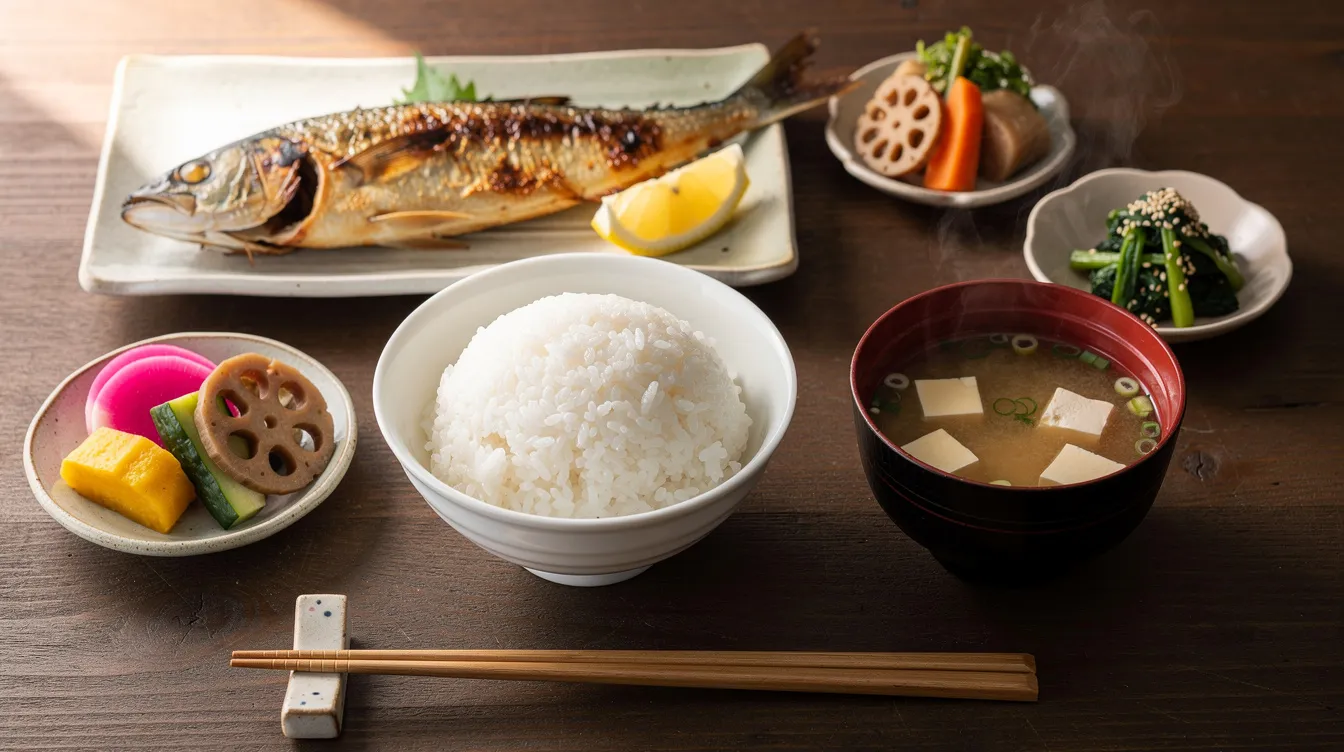
The phrase ichijū-sansai (一汁三菜), meaning ‘one soup, three sides’, refers to the typical layout of a traditional Japanese meal, which emphasizes balance and variety. Japanese cuisine is traditionally based on the combination of steamed white rice (gohan) with one or more okazu (main or side dishes), often accompanied by a clear or miso soup and tsukemono (pickles). Traditional meals are often designed around the concept of ichiju sansai, reflecting a philosophy of harmony across various food elements.
In a japanese style setting, rice is usually placed at the front left and miso soup at the front right. The main dish sits toward the back, with other dishes arranged around it. Tsukemono, such as pickled daikon or cucumber, appears on a small side plate. This layout is practical, but it also shows how food culture in Japan values order and visual calm.
Here are a few useful words to know:
-
Gohan means cooked rice, but it can also mean “meal.”
-
Miso shiru means miso soup.
-
Okazu means the main or side dish eaten with rice.
-
Tsukemono means pickled vegetables.
A teishoku set in japanese restaurants often follows the same format. A grilled mackerel teishoku might include rice, miso soup, saba shioyaki, pickles, and a vegetable side dish. A tonkatsu teishoku might include deep fried pork cutlets, shredded cabbage, rice, soup, and sauce.
On Washoku Club tours, this layout often appears when guests sit down in a family-run shokudō. The guide can explain why the rice bowl is on the left, how to hold the soup bowl, and why the pickles are more than decoration.
Rice and Staple Grains
Rice, or kome before cooking and gohan after cooking, has been a staple food in Japan for more than 2,000 years. It remains the symbolic center of traditional japanese food, even as the modern japanese diet includes more bread, noodles, and western food than in the past. According to Japanese agricultural data summarized by nippon.com, annual rice consumption per person has fallen sharply since the 1960s, but rice still anchors many traditional japanese meals.
Plain steamed white rice is the base, but rice appears in many forms. Donburi refers to a bowl of plain, cooked rice with some other food on top of it, and is a common dish in Japanese cuisine. Gyudon, a popular donburi dish, consists of thin slices of beef and sweet onions served over a bowl of steamed white rice. Oyakodon adds chicken and egg, while katsudon places tonkatsu over rice.
Rice balls, known as onigiri, are made of cooked rice and typically wrapped in nori seaweed, often containing fillings like umeboshi or salmon. Umeboshi is a salty pickled plum, and salmon onigiri is one of the easiest snack food choices to find in convenience stores. Chazuke, or ochazuke, is a simple comfort food made by pouring tea or light fish stock over rice, often garnished with toppings like grilled salmon or pickles.
Kare Raisu, or curry rice, is a popular dish in Japan that consists of cooked rice served with a Japanese curry sauce, often accompanied by additional toppings. Japanese curry sauce is usually thicker, sweeter, and milder than many South Asian curries. Japanese curry became beloved after the Meiji era and is now one of the favourite japanese dishes for families, students, and travelers.
Rice also changes by region and season. New harvest rice, called shinmai, has a soft fragrance that locals wait for each autumn. Travelers can taste regional rice at Niigata-influenced izakaya in Tokyo or Kansai-style eateries in Osaka, where the texture may feel slightly softer. Soba and udon noodles sometimes replace rice in modern meals, but rice remains the heart of many japanese dishes.
Miso Soup and Everyday Soups
Miso soup is the classic “one soup” in ichijū-sansai. It begins with dashi, a fundamental soup stock made from kombu (kelp) and bonito flakes (katsuobushi), serving as a base for soups and simmered dishes. Miso paste is then stirred in, often as shiro miso, aka miso, or awase miso. Common ingredients include tofu, wakame seaweed, negi, daikon, mushrooms, and sometimes clams.
Every household has its own version of miso soup. Some are light and sweet, while others are dark, salty, and deep with umami. Nagoya is known for strong red miso, while Kyoto often favors lighter, sweeter miso that fits the city’s refined cooking. This is why the same bowl can taste completely different from region to region.
Other everyday soups show how flexible japanese cooking can be. Suimono is a clear soup with delicate dashi aroma, often served at formal meals. Tonjiru is a heartier miso soup with pork belly, root vegetables, and mushrooms, making it especially comforting in colder months.
Washoku Club guests often encounter miso soup at ryokan breakfasts or in simple lunch sets during Tokyo and Kyoto food tours. A guide can help you notice the aroma of the soup stock, the texture of tofu, and the way the soup supports the other dishes without overpowering them.
Core Categories of Traditional Japanese Dishes
Japanese dishes can be mapped by ingredient and cooking style: rice dishes, seafood, noodle dishes, hot pot, meat, and soy-based dishes. This map helps travelers understand menus quickly, especially when the signs are handwritten or the restaurant is busy.
Japanese cooking is guided by five methods of heat application, including raw (Nama), simmering (Niru), grilling (Yaku), steaming (Musu), and deep-frying (Ageru). These methods explain why one meal might include raw fish, grilled fish, simmered vegetables, steamed rice, and a deep fried item all at once.
On Washoku Club tours, guests often sample a curated mix from these categories. The goal is not just to eat delicious food, but to understand how japanese food culture fits together in one evening.
Rice-Based Dishes and Donburi
Donburi is one of the most useful words for travelers to know. It means a rice bowl topped with another ingredient, and it is a cornerstone of casual japanese cuisine. Donburi is filling, affordable, and common at lunch counters, family restaurants, and station-area eateries.
Gyudon is beef and sweet onions simmered in soy sauce, sugar, and mirin, then served over rice. Oyakodon combines chicken and egg in a soft, savory topping. Katsudon uses tonkatsu, making it rich and satisfying. Unadon places grilled eel over rice with a sweet soy glaze.
Kare raisu deserves special attention because curry rice is a favourite dish across generations. Japanese curry is usually served with potatoes, carrots, onions, and sometimes katsu. Chicken katsu curry is also common, and the contrast of crisp coating and warm curry is absolutely delicious.
Many local eateries on Washoku Club routes in Asakusa, Shinjuku, or Namba serve these inexpensive meals. They are ideal for first-time visitors who want something familiar enough to enjoy immediately, but still deeply connected to japan food.
Seafood Dishes: From Sashimi to Grilled Fish
Japan’s long coastline made seafood central to washoku. Before the modern rise in meat consumption, fish was often more common than red meat, shaped by geography and religious custom. This cuisine has roots in traditional Buddhist beliefs, often emphasizing plant-based meals that reflect non-violence principles, but fish also became a major source of protein in coastal communities.
Sashimi is raw fish sliced and served without rice, often with soy sauce and wasabi. Sushi is a common dish in Japanese cuisine that consists of vinegared rice topped with fresh, seasonal seafood. Nigiri sushi consists of hand-formed rice topped with a slice of fish or seafood, making it one of the most recognized forms of sushi.
Maki sushi, or rolled sushi, is made by wrapping sushi rice and fillings in nori (seaweed) and then slicing it into bite-sized pieces. These sushi rolls are popular because they are easy to share. Chirashizushi is a type of sushi where a variety of ingredients, including fish and vegetables, are beautifully arranged on top of a bed of sushi rice. Temaki sushi, also known as hand rolls, are cone-shaped rolls made by wrapping nori around sushi rice and fillings, allowing for a more casual eating experience. Gunkan sushi is a type of sushi that features a base of rice wrapped in nori, often topped with ingredients like salmon roe or sea urchin.
Yakizakana, or grilled fish, is more everyday than sushi for many locals. Salted mackerel, called saba shioyaki, and salmon, called sake shioyaki, are often served alongside rice, miso soup, and pickles. The skin can be crisp, the flesh oily and tender, and the grated daikon on the side keeps the meal fresh.
Unagi, or grilled eel, is traditionally eaten in summer for stamina, especially around Doyō no Ushi no Hi. Because eel sustainability is a real concern, responsible japanese restaurants and knowledgeable guides can help travelers choose carefully. In Tsukiji or Nishiki Market, Washoku Club tours may include grilled fish, tamagoyaki, and simple seafood bowls so guests can taste local flavors without confusion.
Noodle Dishes in Japanese Cuisine
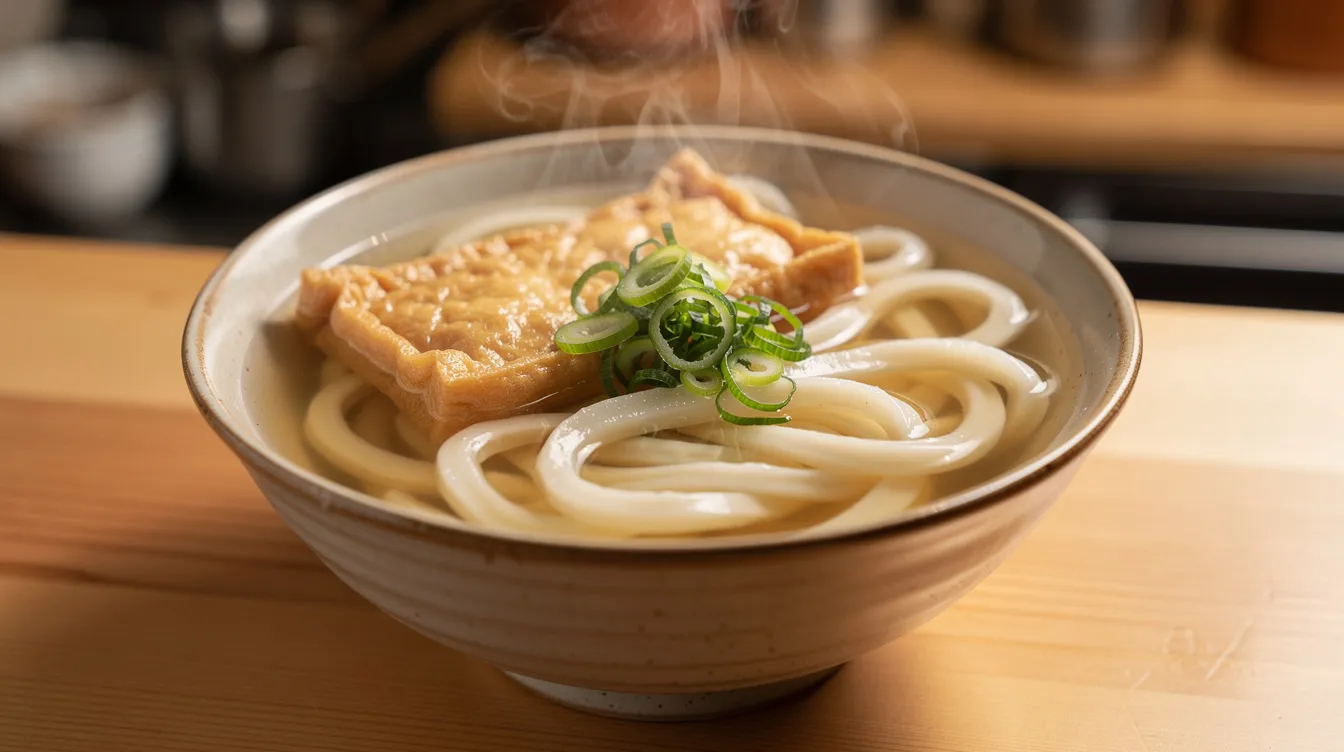
Japanese noodles are another doorway into everyday eating. Soba are buckwheat noodles, often served cold as zaru soba with a dipping sauce or hot as tempura soba. Udon are thick wheat noodles that are popular in Japan, often served hot or cold with various toppings such as tempura or fried tofu.
Somen are extremely thin wheat flour noodles traditionally enjoyed chilled during the hot summer months, often served with a dipping sauce called mentsuyu. Nagashi somen is a fun summer tradition where thin somen noodles are served by flowing them down a bamboo chute, and diners catch them with chopsticks as they flow by. Tourists may find it in mountain villages or themed restaurants around Kyoto and Nikko.
Ramen, originally introduced from China, has become a staple in Japanese cuisine, with regional variations such as miso ramen in Hokkaido and tonkotsu ramen in Kyushu. Its chinese origin does not make it any less Japanese today; ramen has become a noodle soup category with local pride in every region.
Yakisoba, despite its name meaning ‘fried soba’, is actually made from ramen-style noodles and is typically stir-fried with vegetables and meat, often served at festivals. It is savory, quick, and often cooked on large griddles at street stalls.
Washoku Club tours often include a stop at a local noodle house. Guests learn how to order japanese noodles, when to use the dipping sauce, and why polite slurping is acceptable in many casual noodle shops.
Hot Pot and Nabe: Warming Communal Meals
Nabe, or hot pot dishes, are prepared in a hot pot, usually at the table, and are especially popular in the cold winter months. A hot pot meal feels communal because everyone watches the broth simmer, shares ingredients, and serves one another. On a cold January night, few meals feel more quintessentially japanese.
Sukiyaki is a nabe dish prepared with thinly sliced meat, vegetables, mushrooms, tofu, and shirataki noodles simmered in a sweet soy sauce broth. It is often eaten with raw egg as a dipping sauce, which gives the beef a rich, silky texture. Shabu shabu is a Japanese-style hot pot where pieces of thinly sliced meat, seafood, vegetables, mushrooms, and tofu are cooked by dipping them into a hot soup.
Chanko nabe is the traditional staple diet of sumo wrestlers, consisting of a hearty stew with various proteins and vegetables. It is filling but not necessarily heavy, depending on the broth and ingredients. Oden is another popular dish, sold at izakaya and convenience stores, with daikon, konnyaku, fish cake, boiled egg, and other ingredients simmered in soy-dashi broth.
Hot pot dishes once reflected seasonal vegetables and limited meat consumption. Today, many urban restaurants feature wagyu beef in sukiyaki or shabu-shabu. On winter tours in Tokyo and Osaka, Washoku Club may include shared hot pot experiences where guides explain dipping sauces, serving others first, and how to enjoy the final noodles or rice in the broth.
Meat Dishes and Changing Meat Consumption
Meat consumption in Japan expanded dramatically after the Meiji Restoration in the late 19th century. Rice, fish, soy, and vegetables remained core, but beef, pork, and chicken became more visible in everyday meals. This is where traditional japanese cuisine and newer japanese style comfort food meet.
Yakitori refers to skewered grilled chicken, which can include various parts of the chicken such as breast, thigh, and even organs, seasoned with salt or sauce. It is a classic izakaya food, eaten with small plates and drinks. Yakiniku, meaning ‘grilled meat’, involves grilling bite-sized pieces of meat, primarily beef and pork, at the table, and is a popular dining experience in Japan.
Tonkatsu is a popular dish in Japan consisting of deep-fried pork cutlets, often served with shredded cabbage and rice, or as katsudon, which is tonkatsu served over rice. Some restaurants also serve chicken katsu, while other dishes influenced by western food include hamburger steak made with ground meat, omurice with tomato sauce, and Japanese-style fried rice.
Nikujaga is a traditional home-cooked dish made with sweet stewed meat and potatoes, often enjoyed as a comfort food in Japanese households. It is not flashy, but it says a lot about home cooking: soft potatoes, savory sweetness, and the feeling of dinner on an ordinary night.
Wagyu beef, known for its high standards and rich flavor, can be prepared in various ways including as steak, in shabu-shabu, or in sukiyaki hot pots. The marbling melts as it cooks, giving the meat a tender texture and rich flavor. Prices vary widely, from affordable yakiniku lunches to premium Kobe beef restaurants.
For halal-conscious or low-meat travelers, Washoku Club helps identify fish, tofu, vegetable-based alternatives, and seafood prepared without alcohol when needed. You do not have to miss japanese food culture just because you need guidance with ingredients.
Soy-Based Dishes: Tofu, Natto, and More
Soybeans are one of the quiet foundations of japanese cuisine. They appear in tofu, natto, miso paste, and soy sauce, supporting a traditional japanese diet with less dependence on animal protein. In temple and vegetarian cuisine, soy-based dishes are especially important.
Hiyayakko is chilled tofu topped with ginger, scallions, bonito flakes, or soy sauce. Yudōfu is gently simmered tofu, especially associated with Kyoto and Japan’s ancient capital. Agedashi tofu is lightly deep fried tofu served in dashi, soft inside and savory outside.
Natto is fermented soybeans, commonly eaten at breakfast with rice. It has a strong aroma and sticky texture, so it can surprise travelers, but many locals love it. Fresh yuba, or soy milk skin, is delicate and slightly sweet, with a texture somewhere between silk and custard.
These dishes show how simplicity can be incredibly delicious. Washoku Club tours in Kyoto often stop at tofu-specialty shops or markets in Higashiyama, where travelers can taste yuba, tofu, and other dishes that reveal the quieter side of japanese cooking.
Seasonality, Regionality, and Special Occasion Meals
Traditional Japanese cuisine places a strong emphasis on seasonality, known as shun, where dishes are designed to reflect the changing seasons and utilize seasonal ingredients. Japanese cuisine emphasizes seasonality, known as shun (旬), which means taking advantage of ingredients at their peak freshness, such as bamboo shoots in spring and chestnuts in autumn.
A typical meal in snowy Hokkaido in winter may feel completely different from a spring lunch in Kyoto or a summer dinner in Okinawa. This is one reason traditional meals in Japan never feel fixed. They shift with climate, harvest, festival calendars, and local taste.
Washoku Club customizes routes by season. January may bring warm nabe and oden. August may focus on cold noodles, kakigōri, and crisp summer vegetables. March and April can include hanami-friendly bento and sakura-flavored sweets in Tokyo and Kyoto.
Seasonal “Taste the Seasons” Dishes
Spring brings bamboo shoots, mountain vegetables, sakura sweets, and the first catch of skipjack tuna. The first catch of skipjack tuna, known as hatsu-gatsuo (初鰹), is traditionally prized in Japan as a seasonal delicacy that heralds the arrival of spring.
Summer brings chilled somen, grilled eel, fresh cucumbers, eggplant, and shaved ice. Kakigōri is a traditional Japanese dessert made of shaved ice flavored with syrup or condensed milk, often enjoyed during summer festivals. Anmitsu is a classic Japanese summertime dessert that consists of sweet red bean paste, cubes of kanten jelly, fruits, and dango, often drizzled with a dark sugar syrup called mitsu.
Autumn highlights mushrooms, chestnuts, sweet potatoes, and sanma. Winter brings nabe, oden, root vegetables, and richer broths. Seasonal ingredients are often highlighted in kaiseki ryori, a traditional multi-course Japanese dinner that changes with the seasons to showcase the freshest local produce.
Festival foods add another layer. Osechi ryōri and ozōni soup appear at New Year, while eel is enjoyed around midsummer unagi days. Traditional Japanese sweets, known as wagashi, are typically made with ingredients like sweet azuki bean paste and mochi, and are often enjoyed with green tea. Yokan is a dense, sweet jelly made from red bean paste and agar-agar, traditionally served in blocks that can be sliced into bite-sized pieces.
Taiyaki is a popular fish-shaped pastry filled with sweet red bean paste, custard, or other fillings, commonly found at street stalls and festivals in Japan. These sweets are small, but they connect flavor with season, memory, and place.
Regional Specialties: From Hokkaido to Kyushu
Each region has its own signature dishes, which is why menus change so much as you travel. Hokkaido is known for seafood, dairy, and miso ramen. Osaka is famous for okonomiyaki, takoyaki, kushikatsu, and the relaxed energy of the “kitchen of Japan.”
Hiroshima-style okonomiyaki is layered rather than mixed like the Osaka version. Nagoya is known for miso katsu, miso nikomi udon, and hitsumabushi, an eel dish eaten in stages. Kyoto, Japan’s ancient capital, is associated with kaiseki, yudōfu, matcha, and refined sweets. Fukuoka is loved for tonkotsu ramen and late-night yatai food stalls.
Some of these are restaurant foods, but simplified versions appear at home, in bento shops, and in small eateries. That is part of the charm. A regional specialty can be formal one day and casual the next.
Washoku Club tours in Osaka and Kyoto are designed partly around these regional signatures. Guests taste the difference between cities rather than treating japanese cuisine as one single flavor.
Celebration and Kaiseki Meals
Kaiseki is the pinnacle of traditional japanese dining: a multi-course seasonal meal served in ryokan and specialized restaurants, especially in Kyoto and Kanazawa. It is refined, but it is not just luxury. It is washoku philosophy expressed through timing, color, texture, and restraint.
A kaiseki meal may move from a clear soup to sashimi, grilled fish, simmered vegetables, rice, pickles, and dessert. Each course is small, and the arrangement often reflects the season through leaves, flowers, ceramics, and color.
Celebratory meals for weddings, formal gatherings, tea ceremony, and New Year connect this refined tradition to everyday food culture. Many simple home dishes, such as simmered vegetables or grilled fish with rice, share techniques and values with kaiseki.
Washoku Club can help travelers understand kaiseki menus and etiquette, or suggest alternative tasting menus for dietary, vegetarian cuisine, or halal requirements. The goal is to make the experience welcoming, not intimidating.
Experiencing Traditional Meals on the Ground
Reading about japanese food is useful. Navigating real menus, counters, markets, and alleys in Tokyo, Kyoto, and Osaka is different. A restaurant may not have English menus, and the most memorable places are often small, local, and easy to miss.
Travelers encounter traditional meals in family-run shokudō, izakaya, street food markets, department store food halls, noodle houses, sushi counters, and hot pot shops. Convenience stores also play a role, especially for rice balls, oden, sandwiches, and late-night snacks.
A guided experience helps with language, etiquette, ordering, and ingredient questions. Washoku Club’s role is to connect guests with local food without making the meal feel staged.
Typical Meal Experiences in Tokyo, Kyoto, and Osaka
Tokyo: A Tokyo evening might begin with yakitori in a narrow Shinjuku alley, where skewers are grilled over charcoal and brushed with tare. From there, guests may move to ramen, curry rice, or a small izakaya serving seasonal side dishes. The night can end with taiyaki, matcha ice cream, or another sweet near the station.
Kyoto: In Japan’s ancient capital, a Kyoto route may begin at Nishiki Market with tsukemono, yuba, wagashi, and tea. Dinner might focus on tofu, seasonal small dishes, or a kaiseki-inspired meal. In Gion, green tea and wagashi help travelers slow down and notice how japanese culture shapes even dessert.
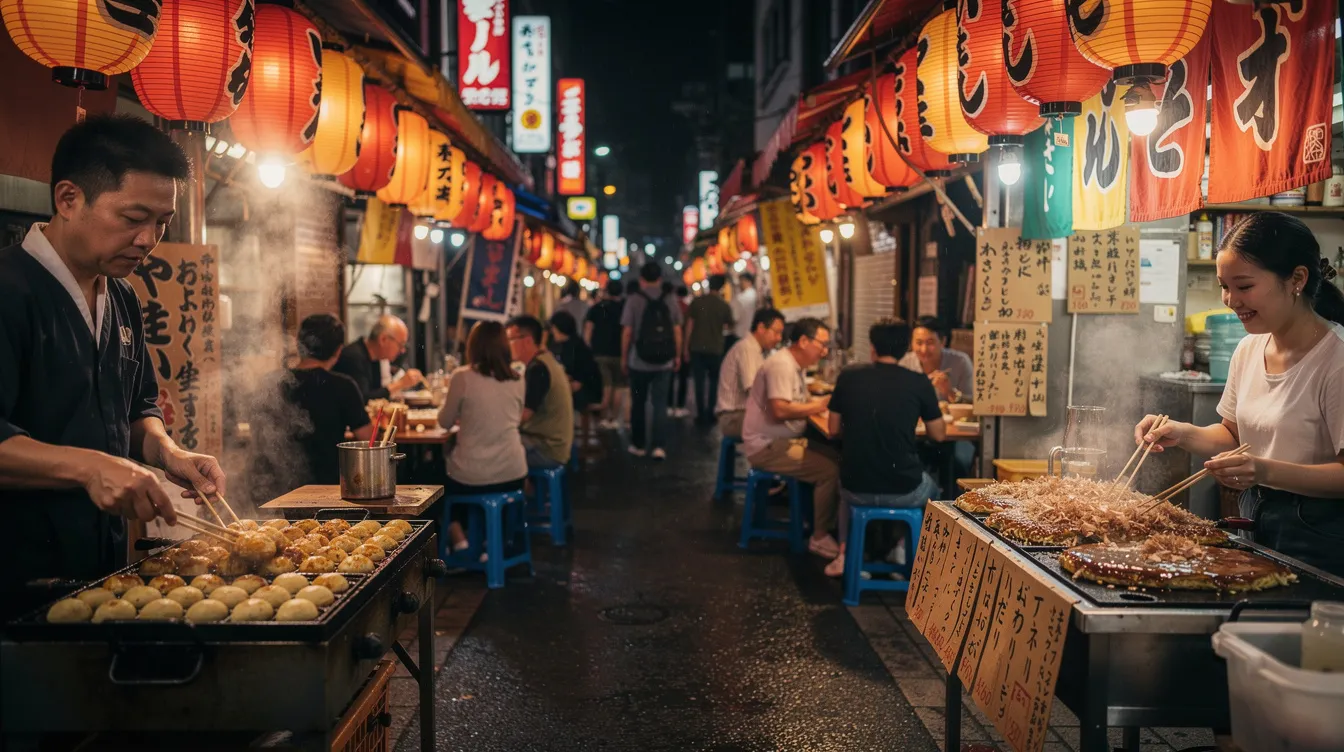
Osaka: Osaka is louder, warmer, and more direct. A route may include takoyaki from street stalls, okonomiyaki cooked on a griddle, kushikatsu in Shinsekai, and casual izakaya plates in Namba. In winter, hot pot or oden can turn the evening into a shared meal rather than a checklist.
Washoku Club tailors these experiences for families, solo travelers, groups, and halal-conscious guests. The best tour is not the one with the most dishes, but the one where everyone can relax and enjoy the food.
Etiquette, Ordering, and Dietary Needs
Gratitude, expressed through the phrase It