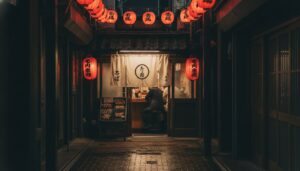
Tokyo is one of the easiest cities in the world to eat well-and one of the hardest to choose from. The best tokyo foods might be a ¥1,000 bowl of ramen beside a train platform, a smoky skewer in a narrow alley, or sushi served piece by piece by a head chef in Ginza.
This tokyo food guide is written by Washoku Club, a local culinary tour company helping travelers discover japanese food through street-level walks, ramen crawls, family-friendly routes, and halal-conscious food experiences across tokyo, Kyoto, and Osaka.
Quick Answer: Where to Start Eating in Tokyo
Tokyo’s food range is astonishing. The city has more michelin stars than any other city, including many michelin starred restaurants, but it also thrives on small counter shops, train-station basements, standing bars, and neighborhood specialists that make the same dish every day until it becomes deeply satisfying.
The city’s food scene works because variety is everywhere. Around shinjuku station, tokyo station, Shibuya, Ueno, and Asakusa, you can eat sushi, ramen, curry rice, freshwater eel, grilled meat, wagashi, and fast food-style snacks within a short walk of one another.
If you have just landed, start with one of these three meals:
-
Yakitori and beer in Shinjuku’s Omoide Yokocho, also known as piss alley, where grilled chicken skewers smoke over tiny counters.
-
Tsukemen at tokyo station ramen street, especially Rokurinsha, one of the most famous ramen shops for thick dipping noodles.
-
A bento box, onigiri with pickled plum, or simple snack from a tokyo station depachika or konbini such as family mart.
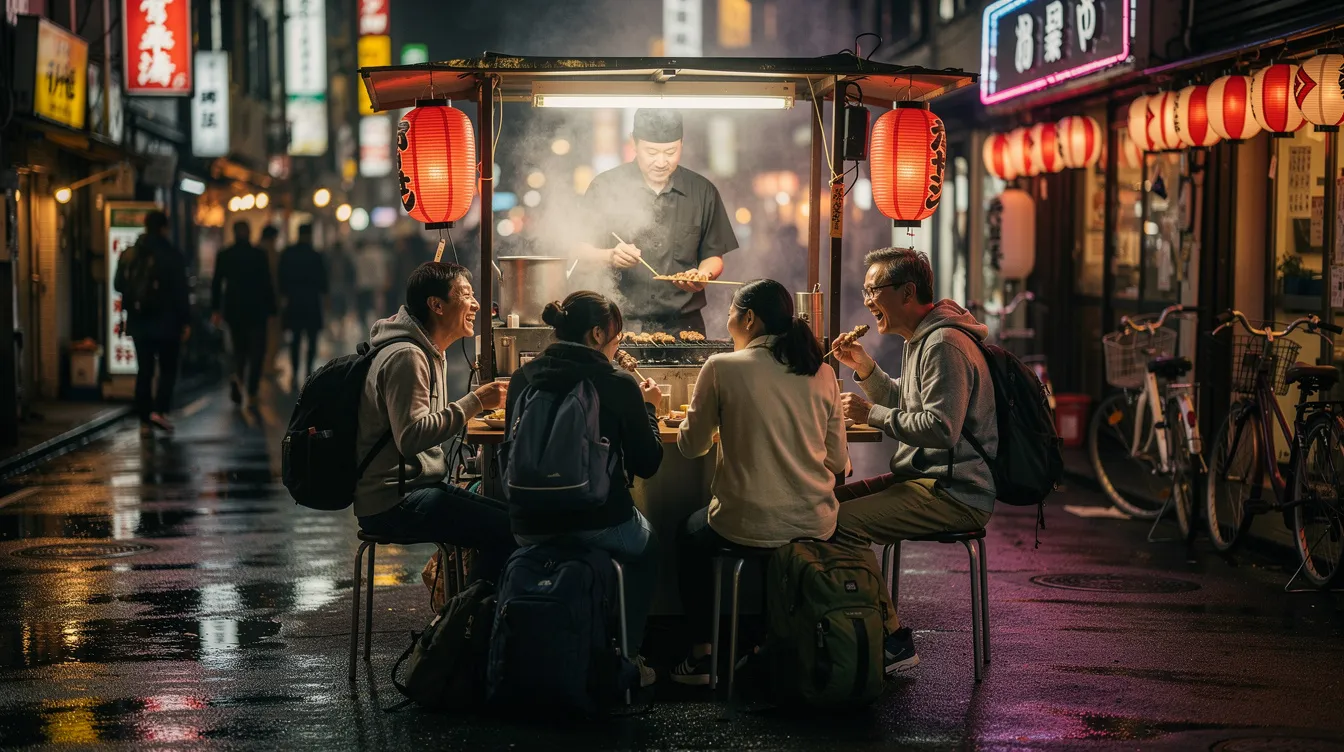
A simple first 24 hours of Tokyo food might look like this:
|
Time |
Neighborhood |
What to eat |
|---|---|---|
|
Lunch |
Tokyo Station / Marunouchi |
Ramen or bento boxes |
|
Snack |
Ginza or Nihonbashi |
Wagashi with red bean paste |
|
Dinner |
Shinjuku |
Yakitori, kara-age, highballs, plum wine |
|
Late night |
Shibuya |
Ramen, standing sushi, or convenience stores snacks |
The lesson learned from guiding hungry travelers is simple: do not wait for the “perfect” restaurant. Great tokyo foods exist at every budget, and a guided route can remove the stress of language, reservations, google maps confusion, and limited seating.
That is where Washoku Club fits in. We curate japanese cuisine experiences for travelers who want authentic local flavor, from street food walks to sushi lunches, ramen crawls, and halal-aware routes.
Tokyo Food 101: How the City Eats
Tokyo balances everyday meals with world-class fine dining. A salary worker might eat miso soup, grilled fish, rice, and pickles at a teishoku-ya for lunch, then pass a building where a sushi counter with one michelin star serves traditional nigiri upstairs.
This is why japanese culture matters when you eat here. japanese cooking is built on seasonality, technique, and specialization, but most restaurants are not formal. many restaurants are small, quick, and focused.
Here are typical 2025–2026 price ranges:
|
Meal type |
Typical price |
|---|---|
|
Ramen |
¥900–¥1,500 |
|
Standing sushi / casual sushi |
¥1,500–¥3,000 |
|
Izakaya dinner with drinks |
¥3,000–¥6,000 per person |
|
Mid-range sushi counter |
¥3,000–¥8,000 |
|
Omakase / modern kaiseki |
¥15,000–¥60,000+ |
|
Halal ramen |
¥900–¥1,500 |
|
Halal wagyu dinner |
¥5,000–¥10,000+ |
Tokyo is also a vertical city. Some top restaurants are not on main streets at all. They are on basement floors, the fifth floor of an office building, or hidden above a convenience store near Shinjuku, Shibuya, or tokyo station. Check building directories, elevator panels, and small signs marked B1, B2, or a floor number.
A few core formats help you navigate:
-
Ramen-ya: quick noodle shops, often ordered by vending machine.
-
Soba-ya or udon-ya: buckwheat or wheat noodle shops, usually casual.
-
Teishoku-ya: set-meal restaurants with rice, soup, pickles, and a main dish.
-
Izakaya: informal drinking restaurants with shared dishes.
-
Kissaten: old-school cafés with coffee, toast, and a relaxed atmosphere.
-
Small counter omakase: chef-led meals, often sushi or tempura.
-
Standing bars: quick drinks and snacks, usually lively and budget-friendly.
Lunch is often the best value. A sushi restaurant charging premium dinner prices may serve a shorter lunch omakase for much less. Set menus are another gift: they make ordering easier, help control cost, and give you a balanced meal.
Compared with many Western capitals, Tokyo can feel surprisingly affordable for everyday meals. You can eat a quick meal of ramen, onigiri, curry rice, or soba for less than the price of a casual café lunch in many cities.
Underground & Station Eats: Depachika, Bento Boxes, and Ramen Streets
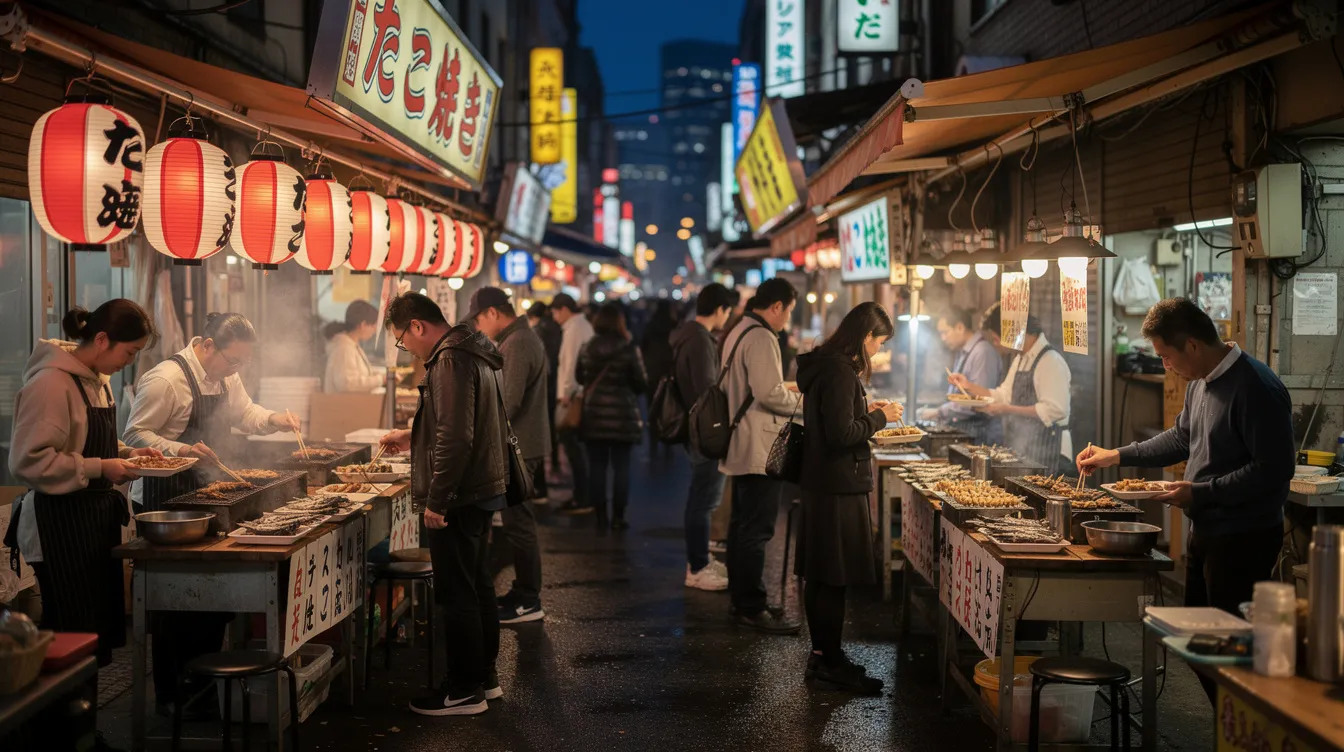
Some of Tokyo’s best bargain eating happens underground. A department store basement, known as a depachika, is not just a grocery floor. It is a polished food hall filled with glass counters, immaculate displays, seasonal sweets, sushi sets, salads, fried dishes, and gift-ready desserts.
Look for depachika at:
-
Isetan and Takashimaya in Shinjuku
-
Daimaru at tokyo station
-
Matsuya and Mitsukoshi in Ginza
-
Major station malls in Shibuya, Ikebukuro, and Ueno
Inside, you might buy bento boxes, katsu sando, sushi sets, kara-age, shrimp tempura, salads, wagashi, sake snacks, or sweets filled with red bean paste. These are ideal for hotel dinners, rainy nights, or Shinkansen rides when you want quality food without a long restaurant wait.
Ekiben are station bento boxes made for train travel. At Tokyo Station, Shinjuku, and Ueno, you will find seasonal boxes, regional specialties, seafood bento, beef bento, and sometimes self-heating meals. The presentation can be beautiful enough to feel like a small edible souvenir.
Tokyo Station also has one of the most useful food zones in the city: tokyo station ramen street in the Yaesu underground area. It gathers several ramen shops in one place, including Rokurinsha for tsukemen. For official shop listings and access details, check Tokyo Station Ichibangai.
Ordering is usually simple:
-
Choose your ramen at the vending machine.
-
Pay and receive a ticket.
-
Hand the ticket to staff.
-
Wait for your bowl.
At famous shops, waits can reach 40–60 minutes during peak times. If you are tired, choose a shorter line. In Tokyo, the second-best option is often still excellent.
A useful Tokyo Station food loop:
-
Start at Daimaru depachika for grazing.
-
Eat ramen on Ramen Street.
-
Finish with cake, wagashi, or seasonal fruit dessert at a station patisserie.
This loop is a popular inspiration for some Washoku Club food walks because it teaches a few things quickly: how stations work, where locals buy dinner, and how much quality hides below ground.
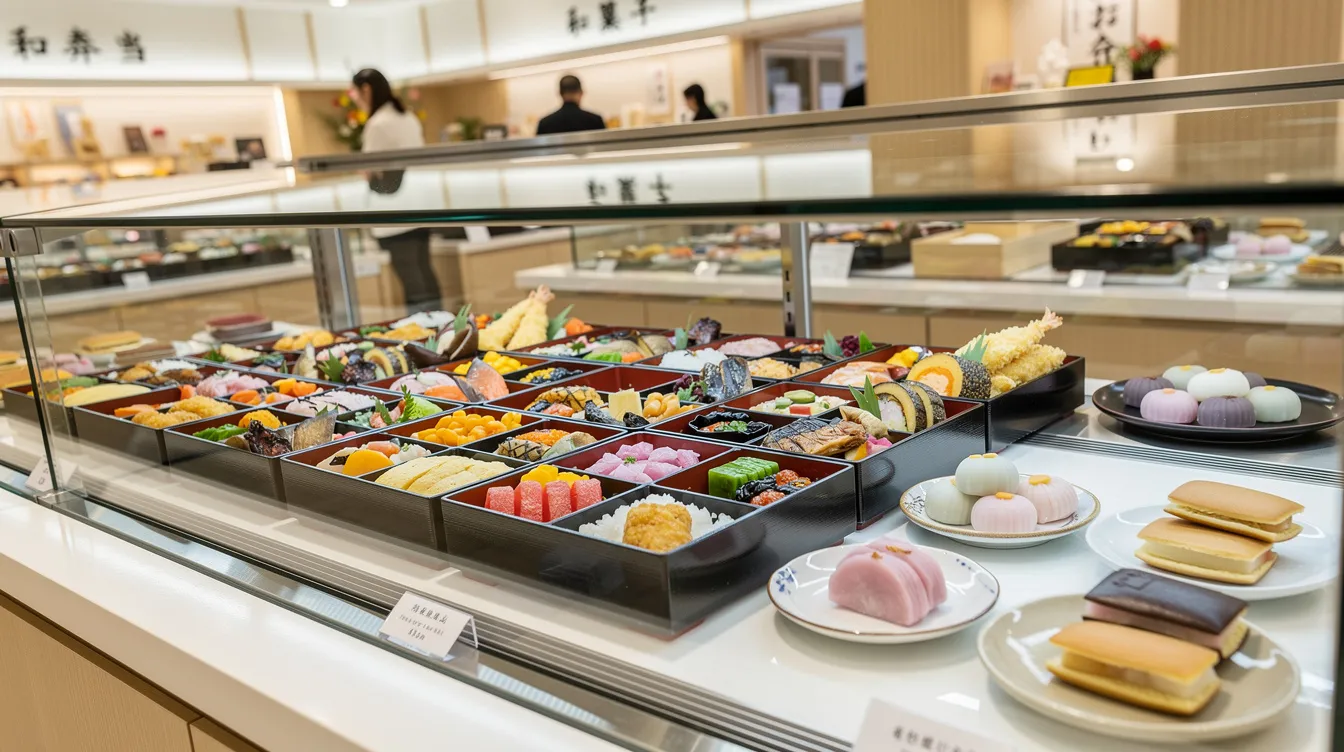
Casual Tokyo: Izakayas, Piss Alley, and Neighborhood Small Counters
Izakaya culture is essential to any practical tokyo food guide. These are informal after-work restaurants where people drink beer, sake, shochu, highballs, or plum wine while sharing small dishes instead of ordering one large entrée.
Common dishes include:
-
Yakitori: negima, tsukune, liver, and other grilled chicken skewers
-
Kara-age: Japanese fried chicken
-
Tamagoyaki: rolled omelet
-
Sashimi: raw fish, sometimes including fatty tuna
-
Potato salad and edamame
-
Grilled fish or grilled meat
-
Seasonal vegetables with soy sauce or miso
Omoide Yokocho in Shinjuku is one of the classic entries into this world. Known to many travelers as piss alley, it sits near shinjuku station and is packed with tiny stalls, smoky grills, narrow lanes, and small counter seating.
Expect skewer prices around ¥150–¥300 depending on the cut. Some places charge otoshi, a small seating appetizer fee, usually around ¥300–¥600. Basic etiquette is easy: order a drink, order food, do not occupy limited seating too long when people are waiting, and bring cash.
A yakitori restaurant here may have only eight seats. You sit close to the grill, watch the cook turn skewers over charcoal, and eat piece by piece. It can feel chaotic, but that is part of the charm.
Similar yokocho-style areas include:
-
Yurakucho Gado-shita: lively spots under train tracks, great after work.
-
Asakusa backstreets: more old-Tokyo mood, often quieter than Shinjuku.
-
Harmonica Yokocho in Kichijoji: compact, local, and atmospheric.
Tokyo is also full of one-dish specialists. A tonkatsu shop may serve only fried pork cutlet. A katsudon counter may focus on egg, rice, and cutlet. Some kushiyaki stalls have 8–10 seats facing the grill. This micro-specialization is one reason japanese food in Tokyo feels so precise.
For travelers, the challenge is not whether good places exist. It is finding them, knowing what to order, and understanding when a menu contains pork, alcohol, or unfamiliar ingredients. Washoku Club evening tours help with pre-booked seats, translation, and guided ordering, including non-pork or seafood-heavy menus when possible.
Street Food & Markets: Where to Snack Between Sights
Tokyo street food is different from night-market cities in Asia. You will not find endless random street stalls on every block. Instead, snacks cluster in markets, temple streets, festival areas, shopping lanes, and station zones.
The etiquette matters: it is usually better not to walk while eating. Stand near the stall, use a designated area, or step aside from foot traffic before you eat.
Tsukiji Outer Market remains one of the best morning food areas. Though the wholesale tuna auction moved to Toyosu, many visitors still call the broader area tsukiji fish market. Go early for kaisendon seafood bowls, fresh tuna, grilled scallops, tamagoyaki, and snacks brushed with soy sauce.
Toyosu has newer facilities and restaurants, while Tsukiji feels more street-level and lively. Some seafood vendors open around 5–6 AM, though many visitor-friendly shops start later in the morning.
In Asakusa, Nakamise Dori leads toward Senso-ji near asakusa station. Classic snacks include ningyoyaki, senbei, kibi dango, manju, and agemanju. Many sweets use red bean paste, and some have a slightly chewy texture from rice flour or mochi-style dough. The main street is touristy, so balance it with quieter side lanes.
Ueno’s Ameyoko is louder and rougher in a good way. Around the market and under the train tracks, you will find yakitori, takoyaki with diced octopus and bonito flakes, sashimi bowls, korokke, menchi-katsu, and casual drinking spots. Early evening is best for atmosphere.
Harajuku’s Takeshita Street is the place for trend-led snacks: crepes, taiyaki, rainbow cotton candy, and colorful drinks. Nearby Omotesando side lanes offer more polished cafés. Pair the area with Meiji Jingu, vintage shopping, or a dessert break.
Do not ignore convenience stores. In Tokyo, they function like everyday street food hubs. 7-Eleven, Lawson, and family mart sell onigiri, egg salad sandwiches, kara-age, oden, salads, fruit, and fami-chiki. For a jet-lagged night or early train, convenience stores may be the most reliable meal in japan.
Tokyo’s Culinary Specialists: Sushi, Tempura, Wagyu, and More
Tokyo loves specialists. You can build an entire trip around Edomae sushi counters, tempura-ya, sukiyaki houses, shabu-shabu specialists, kaiseki, wagyu yakiniku, soba, udon, and dessert shops.
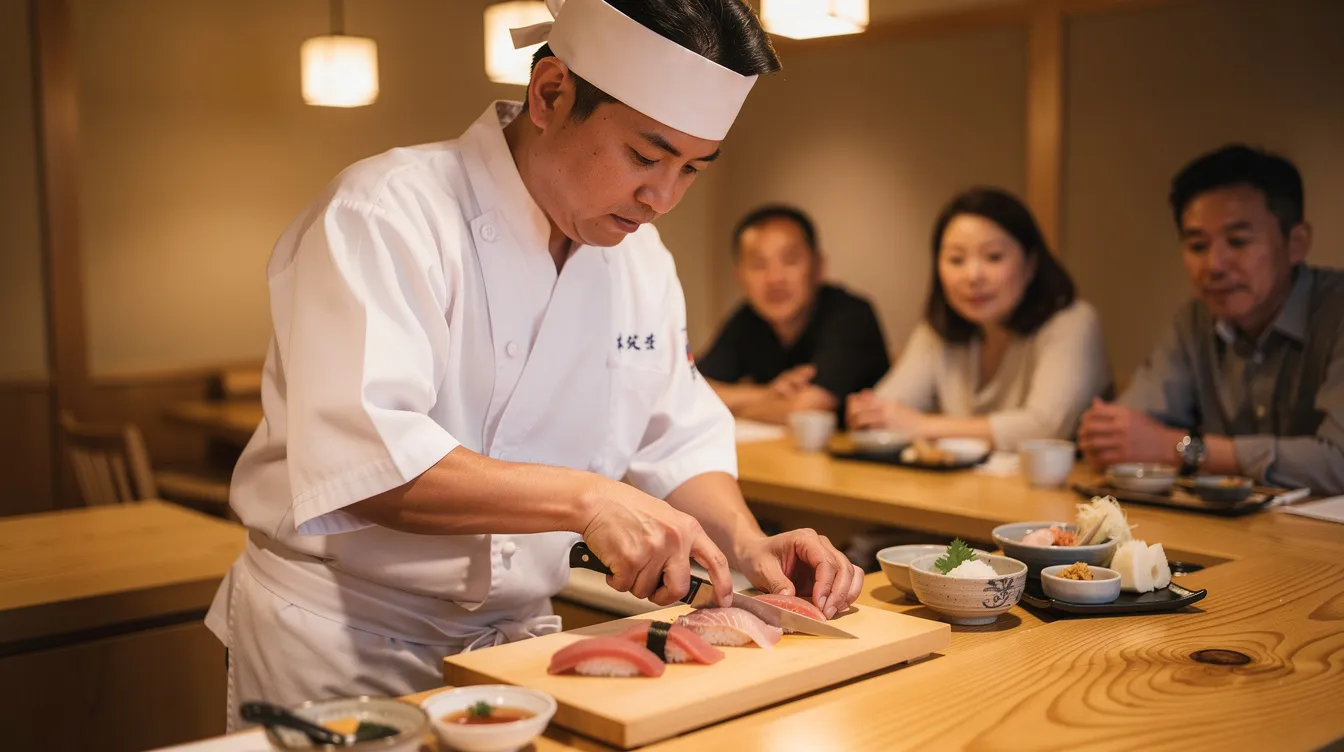
Edomae sushi is Tokyo’s signature sushi tradition. It focuses on seasoned rice, seafood preparation, aging, marinating, and balance. Some counters use red vinegar in the rice, giving traditional nigiri a deeper color and flavor. The best seats are usually at a small counter where the chef serves piece by piece.
At the high end, sushi restaurants may require reservations weeks or months ahead. At the casual end, tachigui standing sushi lets you eat excellent fish quickly and affordably. You might compare lean tuna, fatty tuna, squid, shrimp, and seasonal shellfish in under 30 minutes.
Tempura is another Tokyo classic with Edo-period roots. At a serious counter, the chef serves pieces one by one: shrimp tempura, white fish, eggplant, mushrooms, and seasonal ingredients. The tempura batter should be light, crisp, and delicate. Condiments are simple: salt, tentsuyu, grated daikon, and sometimes lemon.
Beef experiences vary widely. Wagyu yakiniku means grilling thick slices or thin cuts at your table. Shinjuku, Roppongi, and Ginza have many restaurants for premium beef, while casual chains offer more accessible sets. Gyukatsu shops serve rare beef cutlet, while sukiyaki cooks beef in a sweet soy sauce-based broth, and shabu-shabu swishes thin beef through hot stock.
Quality and marbling grades affect price. A5 wagyu courses can be expensive, while simpler grilled meat lunches are more approachable.
Yoshoku is the comfort-food side of japanese cuisine. It includes ebi fry, omurice, hamburger steak, curry rice, and tonkatsu. Many long-running yoshoku restaurants in Ginza and Nihonbashi trace their roots to the late 1800s and early 1900s, when Western-influenced dishes became part of modern Japanese dining.
Washoku Club can help guests connect these dots. A route might pair sushi lunch with knife shopping in Kappabashi, or combine tempura, wagashi, and market browsing in one walk. The goal is not only to eat, but to understand why each restaurant specializes so deeply.
Fine Dining and Themed Experiences in Tokyo
Tokyo is a world leader in fine dining. The MICHELIN Guide Tokyo regularly lists an extraordinary number of starred restaurants, from sushi and tempura counters to French, Chinese, kaiseki, and modern Japanese tasting menus.
The main fine-dining clusters include Ginza, Marunouchi near tokyo station, Aoyama, Azabu, Roppongi, Shiodome, and the Nishi-Shinjuku tower district. Some restaurants sit inside luxury hotels or skyscrapers, offering skyline views, spacious rooms, and highly choreographed service.
High-end formats differ:
-
Kaiseki: seasonal multi-course dining with roots in tea ceremony, samurai hospitality, and elite traditions connected to the imperial court.
-
Sushi omakase: chef-selected sushi, often served piece by piece.
-
Modern fusion: Japanese–French or Japanese–Chinese tasting menus.
-
Luxury wagyu: premium beef courses built around marbling and rare cuts.
Reservations matter. A michelin star counter may seat only 6–12 guests, and the top restaurants often book out far ahead. Use your hotel concierge, booking platforms, or a local guide if a meal is central to your trip.
Themed dining is a separate category. Maid cafés in Akihabara, butler cafés in Ikebukuro, animal cafés, ramen parks, and gyoza food theme parks can be fun, especially for families or novelty seekers. Just remember that the theme is often stronger than the food.
A sample splurge night:
-
Rooftop cocktail in Marunouchi or Shibuya.
-
Omakase sushi, wagyu, or kaiseki dinner.
-
Jazz bar near tokyo station or Shibuya for one final drink.
Washoku Club can build customized celebratory evenings for couples, families, and small groups who want memorable food without spending hours comparing reservations.
Halal-Friendly, Family-Friendly, and First-Time Traveler Tips
If you are halal-conscious, traveling with children, or visiting japan for the first time, Tokyo can feel intimidating at first. Menus may be in Japanese, kitchens can be tiny, and ingredients such as pork broth, mirin, gelatin, or alcohol are not always obvious.
The good news: halal-friendly dining has grown significantly. Areas such as Asakusa, Shinjuku, Ueno, Shin-Okachimachi, and Shibuya now have halal ramen, seafood options, vegetarian-friendly restaurants, and yakiniku restaurants with halal-certified wagyu. Apps such as Halal Gourmet Japan can help with current listings.
Be clear about the difference:
-
Halal-certified: audited sourcing, kitchen practices, and policies.
-
Muslim-friendly: may avoid pork or alcohol in dishes but may use shared kitchens.
-
No-pork/no-alcohol request: useful, but not the same as certification.
Seafood izakaya menus, vegetable tempura, rice balls, and shojin-style Buddhist-influenced dishes can help, but always confirm ingredients.
For families, Tokyo is easier than it looks. Kids often enjoy katsu curry, ramen, kara-age, melon pan, soft-serve ice cream, tamagoyaki, and simple sushi rolls. Depachika corridors and shopping malls are better for strollers than narrow yokocho alleys or micro-counters.
Practical tips:
-
Queue properly outside popular ramen shops and sushi counters.
-
Carry cash for street food, markets, and piss alley.
-
Cards are common in malls and hotels, but not universal.
-
No tipping is expected in japan.
-
Do not stick chopsticks upright in rice.
-
Do not point with chopsticks or pass food chopstick-to-chopstick.
-
Look for an english menu, but do not assume every small shop has one.
-
Hotels and station buildings often offer free wifi, useful when google maps gets confusing.
Washoku Club runs family-friendly tours with shorter walks, gentler flavors, and flexible pacing. We also design halal-aware routes with pre-screened venues, ingredient explanations, and prayer-time-sensitive timing in Tokyo, Kyoto, and Osaka.
Planning Your Own Tokyo Food Tour (or Letting Us Do It)
To build your own food guide route, start with anchor meals. Reserve sushi, yakiniku, tempura, kaiseki, or fine dining dinners first. Then fill the daytime with ramen, soba, depachika grazing, market snacks, and convenience stores when you need a quick reset.
Here is a simple 3-day route:
|
Day |
Area |
Food plan |
|---|---|---|
|
Day 1 |
Asakusa + Ueno |
Nakamise sweets, market snacks, Ameyoko yakitori |
|
Day 2 |
Shinjuku + Shibuya |
Ramen lunch, yokocho dinner, late-night dessert |
|
Day 3 |
Tokyo Station + Ginza |
Depachika, tokyo station ramen street, sushi or tempura |
If you have more time, connect tokyo with Kyoto and Osaka. Kyoto leans toward kaiseki, matcha, tofu, and seasonal elegance. Osaka is louder and more snack-driven, with takoyaki, okonomiyaki, kushikatsu, and late-night street energy. Together, the three cities show different cuisines within japanese cuisine.
Washoku Club tours are designed for travelers who want the fun of discovery without the guesswork. We offer small-group and private tours with English-speaking local guides, pre-booked seats at hard-to-find places, and tailored options for halal guests, kids, nervous eaters, and serious food lovers.
You can use this guide to explore independently, or you can let us do the planning.
Book Now with Washoku Club to join a Tokyo food walk, ramen crawl, family-friendly route, or halal-conscious private tour.
Tokyo rewards people who look beyond famous names. Follow the steam from ramen shops, the smoke from yakitori grills, and the glow of basement signs. Whether you start with sushi, street food, or a bento under the tracks, the best tokyo foods are often waiting just one turn away from the main streets.