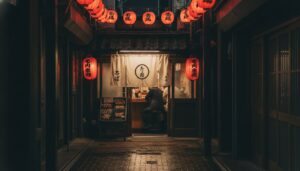

You might have heard that Tokyo’s legendary fish market moved to Toyosu in 2018, but the truth is that the soul of Japanese cuisine never left the historic streets of the tsukiji outer market. It’s natural to feel a bit overwhelmed or worried about missing the best stalls amidst the morning rush, especially with new regulations in place to manage the growing crowds. We understand that you want to experience the authentic magic of Washoku and connect with local artisans without feeling like just another tourist lost in the maze.
We believe every visitor deserves to feel the warmth of Japanese hospitality, or Omotenashi, as they explore. This guide will show you how to navigate the alleys with confidence, from mastering essential etiquette to discovering the artisan secrets behind the world’s finest ingredients. You’ll learn exactly which seasonal delicacies to seek out and how to distinguish genuine family-run gems from common tourist traps. We’re going to walk you through the must-try flavors and cultural nuances that make this destination a living museum of culinary heritage.
Key Takeaways
- Learn why the tsukiji outer market remains the vibrant, beating heart of Tokyo’s food scene even after the wholesale operations moved to Toyosu.
- Discover the seven essential bites you can’t miss, from the morning’s freshest kaisen-don to the iconic, golden-hued tamagoyaki on a stick.
- Master local etiquette and the “no eating while walking” rule to ensure you’re welcomed as a respected guest rather than just another tourist.
- Gain the expert skills needed to distinguish authentic artisan stalls from flashy tourist traps by identifying the subtle marks of a true shokunin.
- Understand how a guided experience transforms your visit into a deep cultural immersion by connecting you with the legacy of the families behind the food.
The Living Legacy: What is the Tsukiji Outer Market Today?
Imagine the sharp, rhythmic *clack-clack* of a master blacksmith sharpening a carbon steel knife. The air is thick with the nutty aroma of roasting hojicha tea and the briny, fresh scent of the morning’s catch. This isn’t a museum or a relic of the past. It’s a living, breathing district where over 400 specialized shops and restaurants form the tsukiji outer market. While the wholesale auctions moved, the heartbeat of Tokyo’s food culture pulses stronger than ever in these narrow, winding alleys. Professionals and home cooks alike still gather here every morning, creating a “Food Town” where quality is the only currency that truly matters.
To better understand the vibrant energy of this culinary landmark, watch this honest look at the market’s street food and atmosphere:
Tsukiji vs. Toyosu: Clearing the Confusion
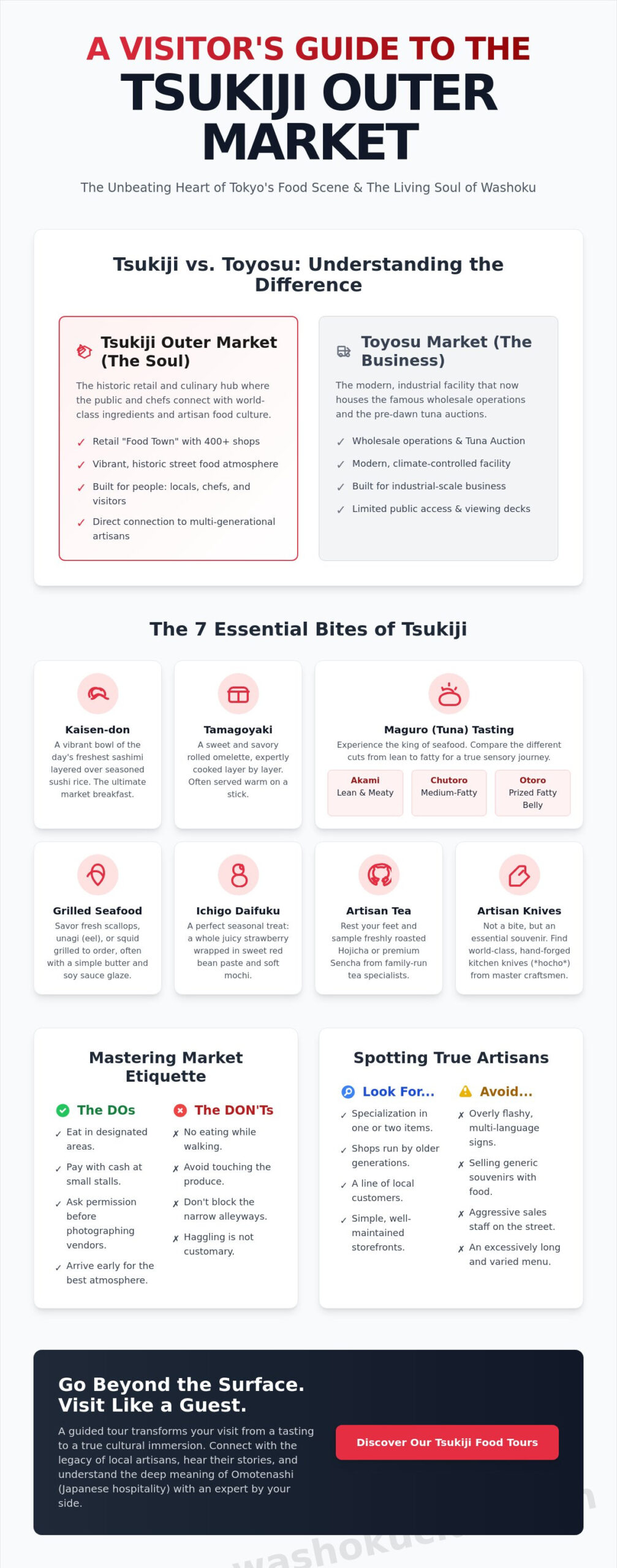
Many visitors arrive feeling a bit confused about where to go. In 2018, the famous tuna auction and wholesale operations relocated to the modern, climate-controlled facility in Toyosu. However, the history of the Tsukiji Market is rooted in the community of retailers and specialists who chose to stay in their historic home. The Outer Market is a retail and culinary hub where the public can still access the same world-class ingredients that Michelin-starred chefs use for their evening service. It’s the “soul” of Japanese dining. While Toyosu is built for industrial business, Tsukiji is built for the people. It remains the place where the connection between the producer, the shopkeeper, and the guest remains unbroken and vibrant.
Why it Remains a National Culinary Treasure
This area was born from land reclaimed during the Edo period, and that resilient spirit defines the market today. It’s a unique bridge between traditional Edo-style flavors and the evolving tastes of modern Tokyo. Here, we celebrate “Washoku,” the traditional dietary cultures of the Japanese people that emphasize seasonality, beauty, and harmony. You’ll find families who have sold dried bonito flakes, kelp, or artisan kitchen tools for four generations working alongside young chefs reinventing the classic sushi roll. It’s this focus on the people behind the food, the shokunin who dedicate their lives to a single craft, that makes the market a national treasure. If you want to dive deeper into these human stories and taste the difference for yourself, our group food tours in Tokyo offer a warm invitation to meet these local legends and enjoy a seat at their table.
A Culinary Roundup: The 7 Essential Bites of Tsukiji
Walking through the tsukiji outer market feels like stepping into a symphony of flavors. It’s a place where “umami” isn’t just a concept; it’s a tangible, delicious reality you can taste in every corner. For many, the journey begins with the gold standard of morning seafood: a vibrant Kaisen-don. These bowls are a masterpiece of colors, featuring the day’s freshest catch resting on a bed of seasoned vinegared rice. It’s the ultimate way to start your day, feeling the morning energy of the market while enjoying fish that was likely in the water just hours before.
The Savory Stars: Seafood and Beyond
Tuna, or Maguro, is the undisputed king here. To truly appreciate it, you should try a flight of the three main cuts to see how the texture changes. Start with Akami, the deep red, lean meat that offers a clean and meaty flavor. Move to Chutoro, the medium fatty tuna that provides a perfect balance of richness. Finally, indulge in Otoro, the prized fatty belly that literally melts on your tongue like butter. It’s a sensory experience that defines the high standards of Japanese seafood. If you’re looking for more inspiration, the official guide to Tsukiji’s food provides a wonderful overview of the variety waiting for you.
Just a few steps away, you’ll find the artisan stalls dedicated to Tamagoyaki. Watching the chefs use long chopsticks to rhythmically flip layers of egg in rectangular pans is mesmerizing. This sweet and savory rolled omelet is often served warm on a stick, making it a beloved comfort food. Don’t overlook the grilled delicacies either. The scent of giant scallops sizzling over an open flame with a pat of butter and a dollop of creamy uni (sea urchin) is impossible to ignore. For a quick snack, look for Nerimono (fried fish cakes) or handmade onigiri stuffed with seasonal fillings like salted plum or grilled salmon.
Sweet Market Treasures and Refreshments
To balance the savory richness, we always recommend a stop for Strawberry Mochi. These soft, pillowy rice cakes filled with sweet bean paste and a whole, juicy strawberry are a seasonal delight that appeals to all ages. You can wash it down with freshly roasted Hojicha. The smoky, toasted aroma of this green tea wafts through the air, acting as a fragrant palate cleanser between bites. Finally, take a moment to admire the Tsukemono (Japanese pickles). These vibrant, fermented vegetables add a refreshing crunch and a pop of color to any meal. Exploring these alleys can be a bit like a treasure hunt. If you’d like some company on your journey, our Tsukiji Outer Market Food Tour is a wonderful way to discover these hidden gems alongside a passionate local guide.
Navigating the Labyrinth: Hidden Gems vs. Tourist Traps
Finding your way through the tsukiji outer market can feel like solving a beautiful, delicious puzzle. While the Tsukiji Outer Market official website lists hundreds of registered shops, it doesn’t always tell you which ones hold the true spirit of Washoku. To find the heart of the market, you must look past the flashy signs. True shokunin, or master artisans, often run understated stalls where the focus is entirely on the quality of a single ingredient. If a restaurant has over-saturated photos of seafood and staff aggressively calling out to passersby, it’s likely a tourist trap. These spots often prioritize high turnover over the meticulous preparation that defines authentic Japanese cuisine.
We always tell our guests to embrace the narrowest alleys. These winding paths are where the real magic happens. You’ll know you’ve found a winner when you see off-duty chefs from Ginza or local residents quietly enjoying a bowl of miso soup or a plate of pickles. These hidden gems don’t need megaphones to attract a crowd. Their reputation is built on decades of consistency and a deep respect for the seasons. It’s in these quiet corners that you’ll experience the genuine warmth of Japanese hospitality, far away from the polished surfaces of the main thoroughfares.
The Art of Finding Artisan Kitchenware
Beyond the food, the market is a treasure trove for those who love the craft of cooking. The “Uogashi” wholesale building is a must-visit for professional-grade ingredients, but the surrounding streets hold even deeper secrets. Look for shops specializing in hand-forged Japanese knives. These aren’t just tools; they’re lifetime investments crafted with techniques passed down through generations. You can also find traditional ceramics and hand-painted bento boxes tucked away in shops that have stood for nearly a century. These items carry the soul of the maker and serve as a beautiful, functional reminder of your journey.
The Washoku Club culture and food tours Philosophy: Authenticity Over Hype
At Washoku Club culture and food tours, our philosophy is simple: we choose soul food over social media hype. We believe in supporting the multi-generational families who have been the backbone of this community for decades. Our group food tours in Tokyo are carefully curated to bypass the “Instagram-famous” spots that often lack depth. Instead, we invite you to sit at the counters of artisans who prioritize flavor and heritage above all else. We want you to feel like a welcomed guest in their home, sharing in the stories that make every bite meaningful. By looking beyond the surface, you’ll discover the authentic flavors that have sustained Tokyo for ages.
Mastering Market Etiquette: How to Visit Like a Pro
Entering the tsukiji outer market is an invitation into a world of shared respect and centuries-old tradition. While the atmosphere is electric and bustling, it operates on a delicate social balance. One of the most important requests from the local community is to refrain from eating while walking. This might seem counterintuitive at a food market, but it serves a beautiful purpose. It prevents accidental spills on others in narrow lanes and ensures you truly focus on the flavors of your meal. Most stalls provide a small standing area where you can enjoy your bite. This small act of mindfulness transforms you from a passing tourist into a respected guest.
Timing Your Visit for Maximum Flavor
8:00 AM to 10:00 AM is widely considered the “Golden Window” for visitors. Arriving before 8:00 AM can be hectic because shopkeepers are still receiving wholesale deliveries and setting up their displays. After 10:00 AM, the crowds begin to peak, making it much harder to navigate the slender alleys with ease. Keep in mind that the tsukiji outer market typically takes a breath on Sundays, national holidays, and many Wednesdays. If you’re visiting in the early afternoon, you’ll find the energy shifting as shops begin to wind down by 1:00 PM or 2:00 PM. Planning around these rhythms ensures you see the market at its most authentic and vibrant.
Cultural Do’s and Don’ts
Communication is the bridge to a deeper experience. You don’t need to be fluent, but a few simple phrases go a long way. A polite “Sumimasen” when moving through a crowd or “Gochisousama-deshita” after a meal shows a deep appreciation for the shokunin’s hard work. When it’s time to pay, look for a small tray near the register. It’s customary to place your cash or card there rather than handing it directly to the vendor. Also, please remember to ask for permission before taking photos of the artisans. A simple nod and a smile usually result in a warm “Hai!” and a much more meaningful connection.
The market lanes are incredibly narrow. Bringing large suitcases or bulky backpacks creates a struggle for you and those around you. We recommend using the coin lockers at nearby stations or the “Plat Tsukiji” information center, which is open from 8:00 AM on weekdays, to store your belongings. If you’re feeling a bit nervous about getting the etiquette just right, joining a professional guide can take all that weight off your shoulders. Our group food tours in Tokyo are designed to help you navigate these cultural nuances with ease, ensuring you feel like a welcomed member of our culinary community.
From Visitor to Guest: The Washoku Club culture and food tours Experience
We’ve explored the legendary flavors and the essential etiquette, but the true magic of the tsukiji outer market lies in the people who bring it to life every dawn. Walking these historic streets on your own is an adventure, but walking them with a local guide transforms the experience from a simple stroll into a deep cultural immersion. At Washoku Club culture and food tours, we don’t just show you where to eat; we introduce you to the families who have been brining seasonal pickles or tempering carbon steel for four generations. These are the human stories that breathe life into every bite of sushi and every fragrant sip of tea. When you join our community, you aren’t just a customer. You’re a welcomed guest in a circle that values heritage over hype.
Our “Club” perspective gives you access to the quiet corners and “shutter-down” secrets that don’t appear on digital maps or in standard guidebooks. We know which stalls have the most exquisite sea urchin today and which artisan is currently crafting the finest ceramics. Whether you’re traveling as a solo explorer, a small group of friends, or a family with curious little ones, we tailor the journey to fit your pace. We take care of the language barriers and the logistical planning so you can focus entirely on the sensory wonder of the market. It’s about feeling the pulse of the city alongside someone who calls it home.
Why Our Tsukiji Outer Market Food Tour is Different
We believe that food is the most powerful way to understand a culture’s soul. The Washoku Club culture and food tours approach centers on storytelling, connecting the delicate flavors you taste to the rich history of Washoku and its regional variations across Japan. You won’t just eat; you’ll learn why certain ingredients are prized and how the geography of the islands shapes the Japanese palate. We reject the typical tourist traps to ensure your time is spent with genuine shokunin. If you’re ready to see more of what makes our city a food lover’s paradise, you can explore our full range of authentic guided experiences to find the perfect fit for your Tokyo itinerary.
Start Your Culinary Journey With Us
The journey to becoming a true market insider starts with a single step into the maze. By choosing to walk with us, you reduce the friction of travel and replace it with the confidence of a local. We invite you to join our community and experience the tsukiji outer market through the eyes of those who love it most. Our goal is to bridge the gap between international visitors and local traditions through shared meals and honest conversation. Let us handle the details while you savor the umami. Join us for a morning of discovery, laughter, and unforgettable flavors that will stay with you long after you’ve left Japan.
Step Into the Authentic Soul of Tokyo
The tsukiji outer market remains a sanctuary for those who seek the true essence of Japanese culinary heritage. You now have the tools to navigate the labyrinth like a seasoned guest, from respecting local etiquette to identifying the subtle marks of a true shokunin. By looking beyond the surface and embracing the rhythmic pace of this historic district, you’ll discover that the most rewarding flavors are often found in the quietest corners. These are the stories and tastes that define Washoku and create a lasting bond between the maker and the guest.
At Washoku Club culture and food tours, we’ve been dedicated to sharing these gastronomy secrets since 2016. Our expert-led tours focus on intimate group sizes to ensure your experience feels personal and deeply human. We’re passionate about bypassing the tourist traps to highlight the artisan families who are the heartbeat of the market. Join our next Tsukiji Outer Market Food Tour and eat like a local! We look forward to sharing a seat at the counter with you soon.
Common Questions About Visiting Tsukiji
Is the Tsukiji Outer Market still open in 2026?
Yes, the market is very much open and remains a thriving culinary destination in 2026. While the wholesale inner market relocated to Toyosu in 2018, the tsukiji outer market continues to be the heart of Tokyo’s food culture with over 400 shops and restaurants. It’s a vibrant district where you can still experience the authentic spirit of Washoku and find the highest quality ingredients available to the public.
What is the best time to visit the market to avoid the biggest crowds?
We recommend arriving between 8:00 AM and 10:00 AM for the most balanced experience. Most shops open their doors by 8:00 AM, and the peak tourist rush typically intensifies after 10:30 AM. Visiting on a weekday that isn’t a Wednesday will also help you avoid the largest crowds, as the market is generally closed on Sundays, public holidays, and some Wednesdays.
Can I still see the tuna auction at Tsukiji?
No, the famous tuna auction moved to the Toyosu Market in 2018. You can visit Toyosu early in the morning to view the auction from designated observation decks, but you should return to the tsukiji outer market to actually taste the premium fish. The retailers and sushi chefs here still source their tuna from those very auctions every single morning, ensuring the quality remains world-class.
What are the must-eat foods for a first-time visitor?
You shouldn’t leave without trying a fresh Kaisen-don (seafood bowl) and the iconic Tamagoyaki (rolled omelet) served warm on a stick. Premium fatty tuna (Otoro) and grilled scallops with butter and uni are also essential experiences for any food lover. For a sweet finish, look for seasonal strawberry mochi, which provides a lovely contrast to the savory richness of the seafood.
Is the market family-friendly for those traveling with young children?
Yes, the market is a wonderful sensory experience for families, though the narrow lanes require a bit of extra care. We suggest visiting as early as possible to avoid the tightest crowds and using the “Plat Tsukiji” information center for breaks. We also offer specialized kids-friendly tour of tokyo options that ensure your little explorers stay comfortable and engaged while discovering new flavors.
Do I need to book a tour to enjoy the market, or can I go alone?
You can certainly explore on your own, but a guided experience transforms your walk into a deep cultural immersion. Our tours help you navigate the complex etiquette and language barriers that can sometimes feel overwhelming. We take you directly to the hidden, family-run stalls that locals love, ensuring you bypass the tourist traps and connect with the real people behind the food.
Are there vegetarian or vegan options available at the market?
While seafood is the star, you can find several delicious plant-based options if you know where to look. Many shops specialize in high-quality Japanese pickles (Tsukemono), grilled corn, or fresh seasonal fruit skewers. You can also explore stalls selling premium dried kelp and mushrooms, which are the foundation of the umami-rich vegetarian broth used in traditional Japanese cooking.
What should I wear for a morning of exploring the market?
Comfortable, closed-toe shoes are essential because the ground can often be wet or uneven in the busy alleys. We recommend dressing in layers, as the early morning air is often crisp before the sun warms the market streets. Please try to avoid bringing large backpacks or suitcases, as the space is very limited and the narrow lanes are much easier to navigate with just the essentials.