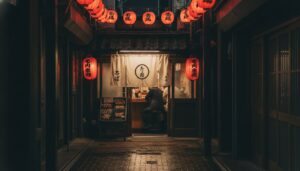
If you are planning a trip around japanesefood, this japanese food guide will help you decide what to eat, where to eat it, and how to experience it with confidence in Tokyo, Kyoto, and Osaka.
Introduction to Japanese Food & Food Tours in Japan
Japanese food is precise, seasonal, and deeply connected to place. At its best, japanese cuisine balances flavor, texture, color, aroma, and presentation without overwhelming the ingredients. A bowl of miso soup, a piece of nigiri sushi, a tray of kaiseki courses, and a hot street snack in Osaka can all express the same core idea: respect the ingredient and serve it at the right moment.
The japanese word washoku combines wa, meaning harmony or Japan, with shoku, meaning food. In practice, washoku is more than traditional japanese food. It includes food preparation, table setting, ingredient sourcing, seasonal awareness, and the social habit of eating together. Traditional Japanese cooking, or Washoku, focuses on umami and enhancement of natural tastes rather than masking them.
Japan is famous for refined japanese restaurants, and Tokyo remains one of the world’s great dining capitals. The 2026 Michelin Guide Tokyo includes 274 starred or Bib Gourmand establishments, with 122 one-star, 26 two-star, and 12 three-star restaurants, according to recent Michelin data reported in Tokyo dining coverage. Yet the heart of japan food is not only fine dining. It is also ramen counters, convenience stores, market snacks, yakitori alleys, depachika food halls, and family-run shops that may have cooked the same dish for decades.
This article is a practical japanese food guide for travelers visiting japan, especially those planning days in Tokyo, Kyoto, and Osaka. You will learn the must-try japanese dishes, how noodle dishes differ by region, what to order in markets, and how to enjoy traditional japanese cuisine without feeling lost.
Washoku Club specializes in guided food tours across Tokyo, Kyoto, and Osaka. Our local guides lead street food walks, hidden-gem restaurant visits, halal-conscious tours, family-friendly itineraries, full-day walking routes, and relaxed experiences designed for solo travelers and small groups.
Book Now with Washoku Club if you want to taste these dishes with a local guide who can explain menus, handle ordering, adjust for dietary needs, and take you beyond tourist traps into authentic food culture.
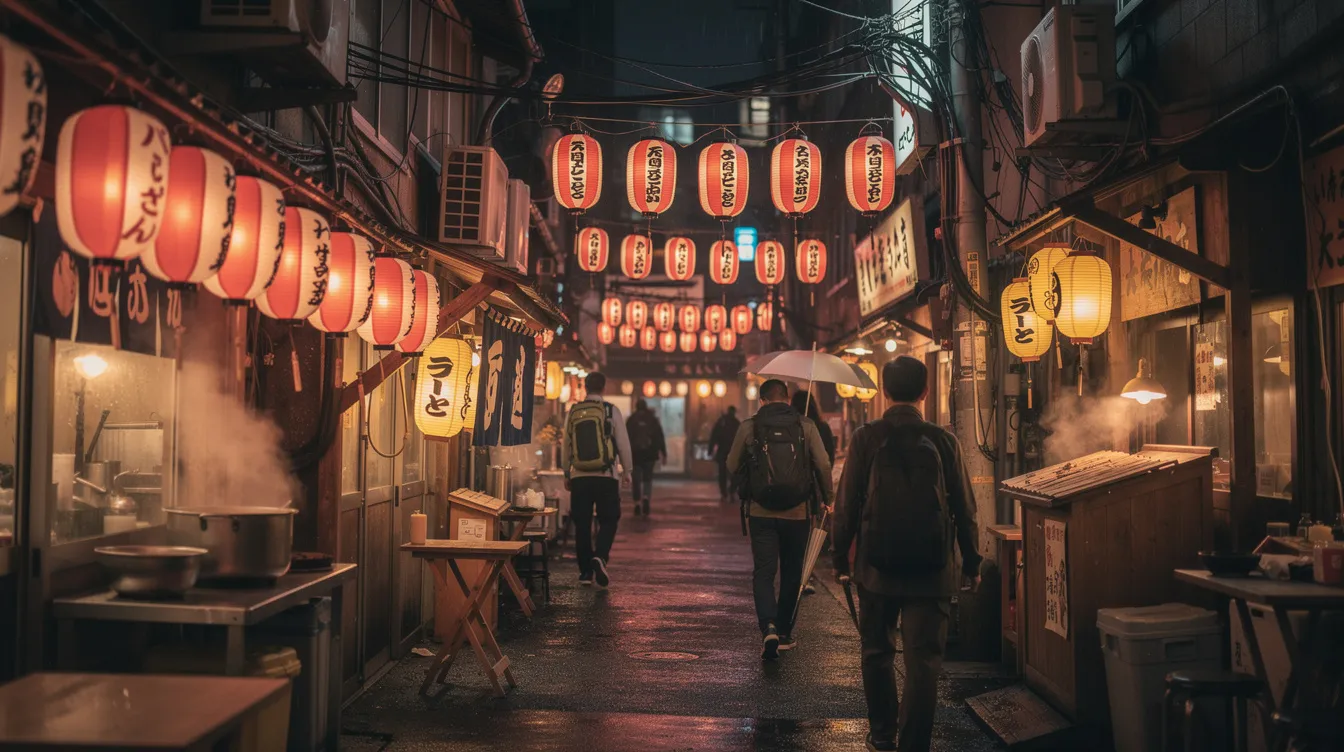
What Makes Japanese Cuisine Unique? (Japanese Food Culture 101)
Japanese food culture is built around three ideas: seasonality, balance, and visual aesthetics. Seasonality is called shun, the moment when an ingredient is at its best. Japanese food emphasizes fresh, seasonal ingredients and simple flavors, so spring bamboo shoots, summer ayu fish, autumn mushrooms, and winter root vegetables each have their own place on the calendar.
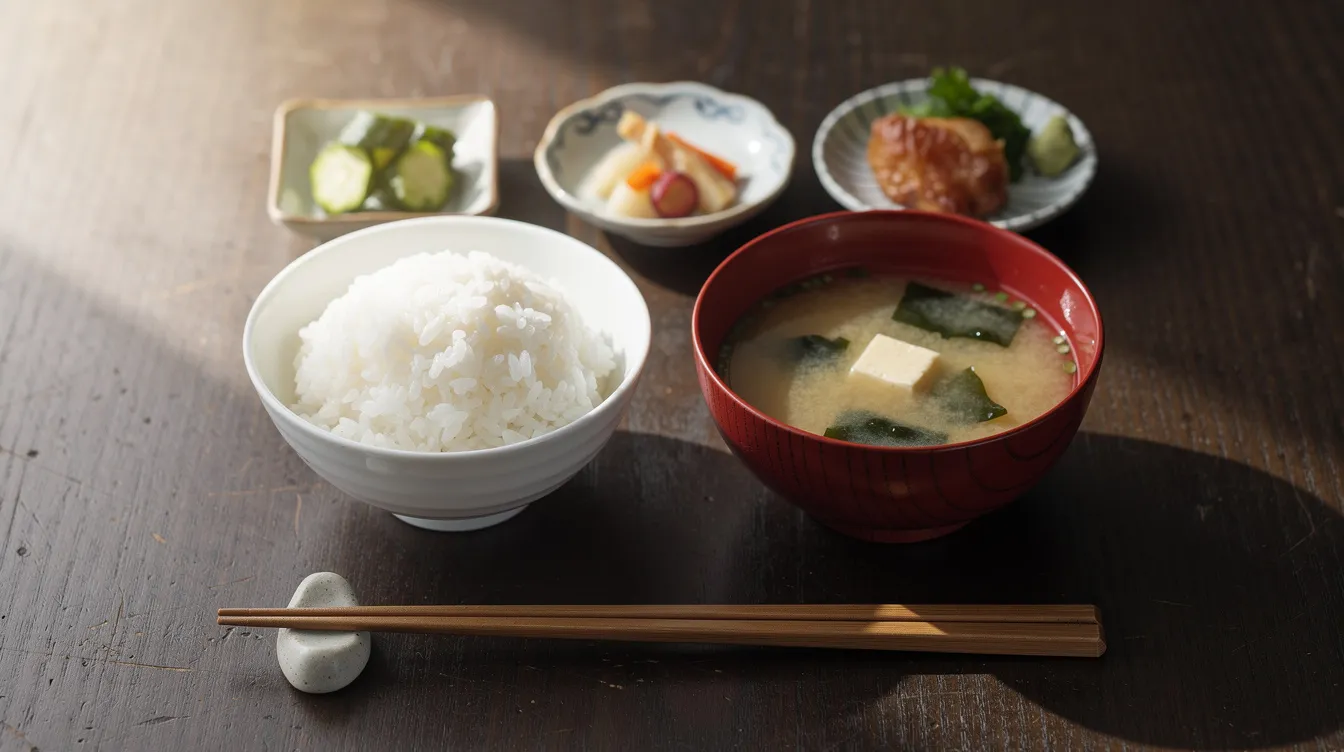
Balance appears in the phrase ichijū-sansai, meaning “one soup, three sides.” The phrase ichijū-sansai describes the typical structure of a traditional Japanese meal, which includes a bowl of rice, a bowl of miso soup, and three side dishes. Traditional Japanese cuisine, known as washoku, emphasizes balance, aesthetics, and the seasonality of ingredients, often featuring rice as a staple accompanied by one or more okazu, meaning main or side dishes.
Washoku was added to UNESCO’s Intangible Cultural Heritage list in 2013 as “Washoku: Traditional Dietary Cultures of the Japanese,” highlighting the cultural significance of traditional japanese cuisine. UNESCO recognized not just recipes, but a way of eating linked to nature, annual events, family life, and respect for ingredients. You can read more about the inscription through UNESCO’s Intangible Cultural Heritage listing.
Japanese cuisine was shaped by chinese cuisine over many centuries. Noodles, tofu, soy sauce, and other foods of chinese origin were adapted to suit japanese tastes. Later, Western influence created yoshoku, or Japanese-style Western food, including omurice with tomato sauce, croquettes, hamburger steak, and japanese curry.
Japanese cooking often utilizes a minimalist, fermentation-heavy pantry focused on harmony and maximizing natural umami. Dashi is made from kombu and katsuobushi and forms the savory, umami-rich foundation for many soups and sauces. Dashi also acts as the soup stock for countless dishes, from miso soup to simmered vegetables.
Soy sauce is fermented from soybeans and wheat, contributing depth and richness to dishes. Shoyu, or soy sauce, adds deep umami, saltiness, and dark color and is used to season and caramelize various dishes. Miso paste brings fermented complexity, while mirin is a sweet rice wine used for cooking that adds natural sweetness and a glossy sheen to glazes.
Umami-forward ingredients like dashi, soy sauce, and miso maximize savory depth in japanese cuisine. This is one reason most japanese food can taste satisfying without relying heavily on butter, cream, or strong spices. Japanese cuisine is characterized by the sparing use of red meat, oils, and fats, with a strong emphasis on seafood, vegetables, and rice, reflecting the country’s island geography and cultural practices.
Common daily elements include boiled rice, miso soup, pickled vegetables, grilled fish, tofu, eggs, and small okazu plates. The traditional Japanese meal often includes tsukemono, or pickled vegetables, which are served as a side dish and are considered an essential part of Japanese dining culture.
A simple comparison helps:
-
At home, a typical meal may include a rice bowl, miso soup, grilled fish, pickled vegetables, and one small side dish such as vegetables cooked in dashi.
-
In a Japanese restaurant, travelers may see the same logic elevated with better plating, seasonal ceramics, refined knife work, and more delicate sauces.
-
At a casual counter, the japanese equivalent may be a fast bowl of ramen, curry rice, or gyudon, still designed around comfort, balance, and speed.
Must-Try Popular Japanese Foods for First-Time Visitors
This is the fast answer for what to eat on a first Japan trip. If you only have a few days, start with these popular japanese dishes, then use local markets and guided tours to go deeper into japanese foods you might not find on your own.
Sushi and sashimi
Sushi refers to a family of artfully presented dishes made with vinegared sushi rice and a variety of ingredients, mostly raw fish and other types of seafood. Nigiri sushi is a slice of seafood over rice, while maki sushi and sushi rolls wrap rice and fillings in seaweed. In Tokyo, try sushi near Tsukiji Outer Market or at a standing counter for a quick, high-quality meal.
Sashimi refers to thinly sliced raw fish or seafood, and it can even refer to different types of raw meat, essentially being sushi minus the vinegared rice. Fresh raw fish is often served with wasabi and soy sauce, allowing the texture and natural sweetness to stand out.
Fugu, or pufferfish, is a highly toxic fish that can be prepared as sashimi, but only licensed chefs with years of training are allowed to serve it due to the risks involved. Basashi is a unique type of sashimi made from thinly sliced raw horse meat, which is a specialty in certain regions of Japan, particularly Kumamoto.
Ramen
Ramen is a wheat noodles dish served as hot soup, usually with broth, tare seasoning, toppings, and aromatic oil. It may include pork belly, bamboo shoots, scallions, egg, seaweed, or fish cake. Tokyo has excellent ramen alleys in areas like Shinjuku, Ikebukuro, and Ginza, where travelers can compare styles quickly.
Ramen is one of the favourite japanese dishes for many visitors because it is filling, affordable, and absolutely delicious after a long sightseeing day. It is also one of the easiest ways to experience how local japanese tastes differ from neighborhood to neighborhood.
Tempura
Tempura involves seafood or vegetables lightly battered and deep-fried until crispy and golden. Good tempura should feel light, not greasy, with a crisp shell and tender interior. In Tokyo, tempura specialists often serve shrimp, white fish, mushrooms, eggplant, and seasonal greens with grated daikon and a dipping sauce.
Tonkatsu
Tonkatsu is a deep fried pork cutlet coated in panko breadcrumbs and served with shredded cabbage, rice, pickles, and a thick savory sauce. This dish is commonly eaten for lunch and is often served alongside rice and miso soup as a set meal. In Kyoto and Osaka, you will find both classic pork versions and chicken katsu variations.
Okonomiyaki
Okonomiyaki is a savory pancake made with a batter of flour, eggs, and shredded cabbage, mixed with various ingredients like meat and seafood, and is especially popular in the Kansai region of Japan. Osaka-style okonomiyaki is mixed before cooking, then topped with sauce, mayonnaise, aonori, and bonito flakes.
This japanese style pancake is a must in Osaka, especially around Dotonbori. It belongs to the world of savory foods that feel informal, fun, and perfect for groups.
Takoyaki
Takoyaki, a popular street food from Osaka, consists of ball-shaped snacks made from a wheat flour batter filled with minced or diced octopus, tempura scraps, and green onions, topped with takoyaki sauce and bonito flakes. Takoyaki is a popular street food in Japan, particularly in Osaka, made from a batter filled with diced octopus, tempura scraps, and green onions, cooked in a special molded pan.
Try it in Dotonbori, where cooks flip the balls quickly in rows of round molds. It is hot, soft, salty-sweet, and one of the great snack food experiences in Japan.
Gyoza and karaage
Gyoza are pan-fried dumplings filled with cooked meat, cabbage, garlic, and seasonings. They are often ordered with ramen or beer in casual japanese restaurants.
Karaage is a staple dish in izakayas, consisting of marinated and deep-fried chicken pieces that are crispy on the outside and juicy on the inside, often served with a side of rice and dipping sauce. It is simple, salty, and ideal for travelers who want delicious food in a relaxed setting.
Miso soup
Miso soup is made from dashi and miso paste, often with tofu, wakame seaweed, scallions, mushrooms, or seasonal vegetables. It appears in breakfast sets, lunch sets, kaiseki meals, and home cooking. A japanese meal can feel incomplete without this quiet bowl of comfort.
Onigiri and convenience store foods
Onigiri are rice balls filled with salmon, tuna mayonnaise, pickled plum, kombu, or other fillings, often wrapped in nori. They are widely sold at convenience stores, train stations, and markets. Bento, nikuman steamed buns, egg sandwiches, and seasonal desserts at convenience stores are also useful between sightseeing stops.
Gyudon, a popular Japanese beef-and-rice bowl, consists of thin slices of beef, sweet onions, and pickled red ginger served over steamed white rice, making it a comforting fast food option in Japan. It is one of the easiest dishes to order when you want something warm, quick, and familiar.
Japanese Noodles & Curry: Ramen, Udon, Soba and Curry Rice
Noodle dishes are essential to japanese cuisine because they are regional, affordable, and endlessly varied. A traveler can eat ramen in Tokyo, udon in Kyoto, soba in Nagano, and curry udon in Osaka, and each bowl will tell a slightly different story.
-
Shio ramen is seasoned with salt and often has a clear, lighter broth. It is good for travelers who want a clean flavor where the chicken, seafood, or vegetable base is easy to taste.
-
Shoyu ramen uses soy sauce as the main seasoning. The result is darker, aromatic, and especially common in Tokyo-style ramen shops.
-
Miso ramen is rich, savory, and warming. Sapporo miso ramen from Hokkaido is famous for its hearty broth and toppings such as corn, butter, bean sprouts, or pork.
-
Tonkotsu ramen is creamy and pork-bone based. Hakata tonkotsu from Kyushu is famous for thin noodles, rich broth, and optional extra noodles called kaedama.
-
Udon noodles are thick, chewy Japanese noodles made with wheat flour, typically served hot in winter or chilled in summer, and can be topped with various ingredients. Kake udon is simple udon in broth, kitsune udon comes with sweet fried tofu, tempura udon adds fried seafood or vegetables, and curry udon uses a thicker curry-flavored sauce.
-
Udon broth differs by region. In eastern Japan, especially around Tokyo, broth is often darker and stronger with soy sauce. In western Japan, especially Kansai, broth is usually lighter in color, with more emphasis on kelp and bonito dashi.
-
Soba noodles are thin noodles made from buckwheat flour and can be served cold with a dipping sauce called tsuyu, or in a hot broth as noodle soup. Zaru soba is chilled soba served on a bamboo tray, while hot soba is especially comforting in winter.
-
Nagano, also called Shinshu, is one of Japan’s soba heartlands. The region’s climate suits buckwheat, and many shops specialize in handmade soba with a firm bite and nutty aroma.
-
Somen are extremely thin wheat flour noodles enjoyed chilled, often served with a dipping sauce called mentsuyu, especially popular during the hot summer months. They are traditionally eaten when the weather is humid and appetite is low.
-
Hiyashi chūka refers to chilled Chinese-style noodles topped with various ingredients like cucumber, ham, and omelet, drizzled with a tangy dressing, making it a refreshing summer dish. Although the name points to a chinese origin, the dish has become a very Japanese seasonal favorite.
-
Japanese curry, introduced during the Meiji period, is a thick, sweet, and mild dish typically served over rice, with various meats and vegetables, and has become a national favorite in Japan. Japanese curry evolved from Anglo-Indian navy curry, was adapted to suit japanese tastes, and is now a staple of japanese cooking.
-
Curry rice is japanese comfort food found in cafeterias, homes, chain restaurants, and train-station counters. It can be served plain or as katsu curry with a deep fried pork cutlet placed on top. Compared with Indian or Thai curries, japanese curry is usually milder, thicker, and slightly sweet.
-
Washoku Club’s Tokyo and Osaka street food tours often include ramen or curry rice stops when the route and guest preferences allow. This helps travelers compare broth richness, noodle texture, spice levels, and local seasoning styles in a practical way.
Regional Japanese Food Highlights in Tokyo, Kyoto, and Osaka
Japanese food culture changes as you move between regions. Washoku Club focuses on three main cities that give travelers an excellent first taste of national icons and local specialties.
-
Tokyo is a mix of old and new. The city has sushi counters, ramen shops, yakitori alleys, Michelin-level dining, and historic dishes from the Edo period.
-
Tokyo specialties include monjayaki, a runnier griddle dish often associated with Tsukishima, and Fukagawa meshi, a clam rice dish with roots in old fishing communities. Casual izakaya streets like Omoide Yokocho and Ebisu Yokocho are good for grilled skewers, drinks, and late-night local atmosphere.
-
Tokyo is also where high-end japanese restaurants and everyday counters sit close together. You can have a refined lunch one day and a vending-machine ramen dinner the next.
-
Kyoto, japan’s ancient capital, is the center of refined traditional japanese culture. It is known for kaiseki, yuba tofu skin, temple vegetarian cuisine, matcha sweets from Uji, and beautifully presented seasonal meals.
-
Nishiki Market in Kyoto is ideal for pickles, tea sweets, grilled seafood, wagashi, and Tako Tamago. Tako Tamago refers to candied baby octopuses stuffed with quail eggs, commonly sold as street food in markets like Nishiki Market in Kyoto.
-
Kyoto is also the place to slow down with green tea, seasonal wagashi, and food traditions connected to temples, tea ceremony, and festivals.
-
Osaka is known as “Japan’s kitchen.” It is casual, loud, generous, and famous for bold flavors.
-
Osaka highlights include okonomiyaki, takoyaki, kushikatsu, doteyaki beef tendon stew, and busy food streets like Dotonbori and Shinsekai.
-
Washoku Club itineraries are designed so guests taste both national icons and hyper-local japanese dishes specific to each city. That might mean sushi and ramen in Tokyo, yuba and matcha sweets in Kyoto, and takoyaki or kushikatsu in Osaka.
-
Design suggestion: add a small map-style graphic later comparing Tokyo, Kyoto, and Osaka by atmosphere, signature dishes, and best food-tour moments.
Street Food, Markets & Japanese-Style Casual Dining
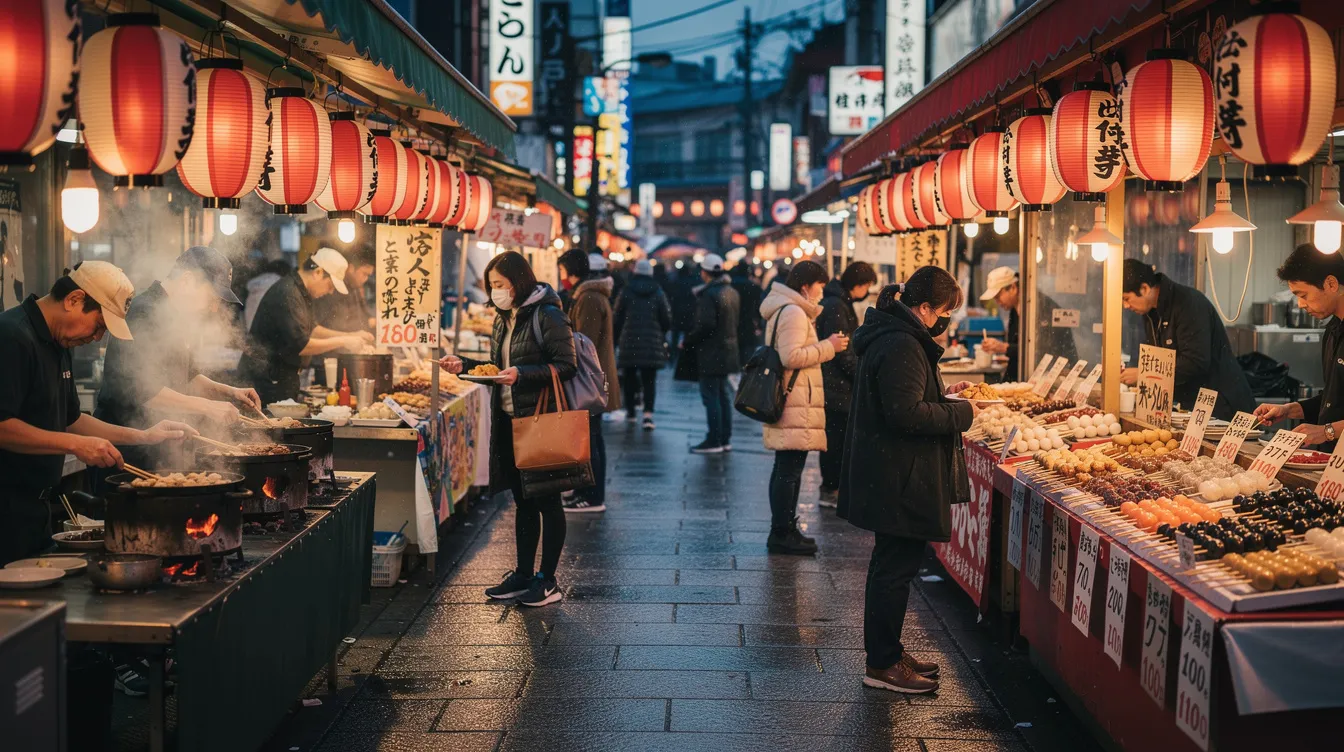
Japanese street food areas are less chaotic than some night markets elsewhere, but they are full of character. Covered markets, yokocho alleyways, department store basements, shopping streets, and festival street stalls are where travelers find so many dishes in a compact area.
-
Takoyaki usually costs around ¥500–¥800 depending on the area. The best versions are crisp outside, molten inside, and topped with sauce, mayonnaise, bonito flakes, and seaweed.
-
Taiyaki is a popular fish-shaped pastry filled with sweet fillings such as azuki bean paste, custard, or chocolate, commonly found at street stalls and festivals in Japan. Taiyaki variations may include seasonal fillings such as sweet potato, matcha cream, or cheese.
-
Imagawayaki is a traditional Japanese food often found at festivals or food stalls, consisting of a round cake-like dessert filled with red bean paste or custard, making it a perfect portable snack. It is warm, soft, and easy to eat while walking.
-
Yakisoba is stir-fried wheat noodles with cabbage, meat, sauce, and pickled ginger. It is especially common at festivals, where the sweet-savory sauce smells irresistible from a distance.
-
Kushikatsu, or kushiage, are deep-fried skewers of meat and vegetables that originated in Osaka and are now enjoyed throughout Japan as a popular street food. In Shinsekai, kushikatsu shops serve skewers of beef, lotus root, onion, quail egg, and seafood.
-
Yaki Imo, or baked sweet potatoes, are a popular street food in Japan, especially during the colder months, often sold from trucks and stalls. The flavor is naturally sweet and comforting.
-
Crepes in Harajuku are not traditional foods, but they show how foreign ideas can become japanese style snacks. Fillings may include whipped cream, fruit, custard, matcha, chocolate, or cheesecake.
-
Wagashi, traditional Japanese sweets, often feature ingredients like red bean paste and mochi, and are enjoyed during tea ceremonies and festivals. These traditional japanese sweets are often shaped to reflect flowers, leaves, snow, or seasonal motifs.
-
Anmitsu is a classic Japanese summertime dessert made with sweet red bean paste, cubes of kanten jelly, fruits, and dango, often drizzled with dark sugar syrup before serving. It is refreshing, colorful, and excellent with green tea.
-
Nishiki Market in Kyoto is best for pickled vegetables, tea sweets, grilled seafood, skewers, and small bites connected to Kyoto’s older food culture.
-
Kuromon Ichiba Market in Osaka is known for seafood, grilled scallops, fruit, wagyu skewers, takoyaki, and snacks that fit Osaka’s direct, eat-now personality.
-
Ameya-Yokochō in Tokyo, often called Ameyoko, is a lively market street near Ueno. Look for seafood bowls, sweets, fruit, dried goods, casual izakaya, and bargain snacks.
-
In ramen shops, you may buy a ticket from a vending machine before sitting down. The staff takes the ticket and brings your bowl when it is ready.
-
In izakaya, guests usually order small plates to share. This is a good setting for karaage, grilled fish, sashimi, edamame, yakitori, and seasonal specials.
-
At standing soba or udon counters, order quickly, eat efficiently, and avoid lingering during busy commuter hours.
-
Reading Japanese menus gets easier if you recognize romaji words such as ramen, udon, soba, sushi, tempura, katsu, donburi, gyudon, yakitori, and kare. On Washoku Club tours, guides handle ordering, translations, and explanations so you can focus on tasting.
Traditional & Special-Occasion Japanese Cuisine: Kaiseki, Unagi, Wagyu
Japanese cuisine scales beautifully from humble home cooking to ceremonial dining. A simple bowl of rice and soup can express the same values as an elaborate kaiseki meal: seasonality, balance, and attention to detail.
-
Kaiseki is a multi-course meal associated strongly with Kyoto, tea ceremony culture, and refined hospitality. Courses may include appetizers, sashimi, simmered dishes, grilled dishes, steamed dishes, rice, soup, pickles, and dessert.
-
Kaiseki meals highlight seasonal ingredients and precise plating. Many are served in ryokan or refined japanese restaurants where tableware, flowers, and room setting all matter.
-
Unagi is grilled freshwater eel, usually brushed with a sweet soy-based glaze. It is often eaten as unadon, eel over rice, or hitsumabushi, a Nagoya-style dish eaten in stages with condiments and broth.
-
Unagi is associated with summer stamina foods, especially around doyo no ushi no hi, when it is believed to help the body handle heat. Travelers should also be aware of sustainability concerns, because eel populations are vulnerable and responsible sourcing matters.
-
Wagyu beef, which translates to “Japanese beef,” is renowned for its high standards, rich flavor, and beautiful marbling of fat. The texture can be buttery, especially when the beef is grilled, lightly seared, or simmered.
-
Kobe beef is a specific type of Wagyu beef that comes from Tajima cattle raised in the Hyogo Prefecture of Japan, known for its exceptional marbling and tenderness. Not all wagyu is Kobe, but all Kobe beef is wagyu.
-
Wagyu beef is classified into several regional brands in Japan, including Matsusaka, Kobe, Yonezawa, Ōmi, and Sanda, each with unique characteristics and flavor profiles. Hida beef is another respected brand travelers may encounter in central Japan.
-
Sukiyaki is a sweet-salty hot pot with thin beef, tofu, vegetables, and noodles, often dipped in raw egg before eating. Shabu-shabu is another hot pot style, where thin slices of meat are swished through broth and eaten with dipping sauces.
-
Celebratory meals around New Year may include osechi ryōri, a set of symbolic foods packed in tiered boxes. These foods are connected to health benefits, prosperity, family continuity, and good fortune.
-
While Washoku Club focuses on relaxed city walks, our guides can recommend trusted kaiseki and wagyu restaurants for special evenings in Tokyo, Kyoto, or Osaka.
Japanese Food Culture & Dining Etiquette for Travelers
Understanding basic etiquette makes any japanese food experience smoother. You do not need to be perfect, but a few habits show respect for japanese culture and the people serving your meal.
-
In a traditional Japanese meal setting, rice is placed on the diner’s left and miso soup on the right, with side dishes arranged behind them on individual plates.
-
Chopsticks are usually placed on a chopstick rest, with tips pointing left when not in use.
-
In Japan, it is customary to say “itadakimasu” before starting a meal, which translates to “I humbly receive,” and is a way to express gratitude for the food.
-
After finishing a meal, it is polite to say “go-chisō-sama deshita,” which means “it was a feast,” to thank the host or restaurant staff.
-
Hold small bowls of rice or soup in one hand while eating. This is normal in Japanese dining and helps prevent spills.
-
Do not stick chopsticks upright in rice, because this resembles a funeral offering.
-
Do not pass food from chopstick to chopstick, because this also has funeral associations.
-
When sharing, use serving chopsticks if provided. If not, use the opposite end of your chopsticks carefully.
-
When dining in a traditional tatami room, it is common to sit in a seiza position, which involves kneeling with legs folded under the thighs and buttocks resting on the heels.
-
At casual restaurants, payment may happen at the register near the entrance or exit rather than at the table.
-
Tipping is not expected in Japan and may be politely refused. Good service is considered part of the experience.
-
Vegetarian cuisine exists, especially in shōjin ryōri temple cooking, but travelers should know that dashi often contains fish.
-
Halal-friendly restaurants are growing in major cities, but they still require planning. Washoku Club supports halal-conscious and Muslim travelers by helping identify suitable japanese foods, checking ingredients, and building routes around appropriate restaurants when possible. Muslim travelers can also review general resources such as Halal Japan.
Experiencing Japanese Cooking First-Hand: Classes, Farm Visits & Tea
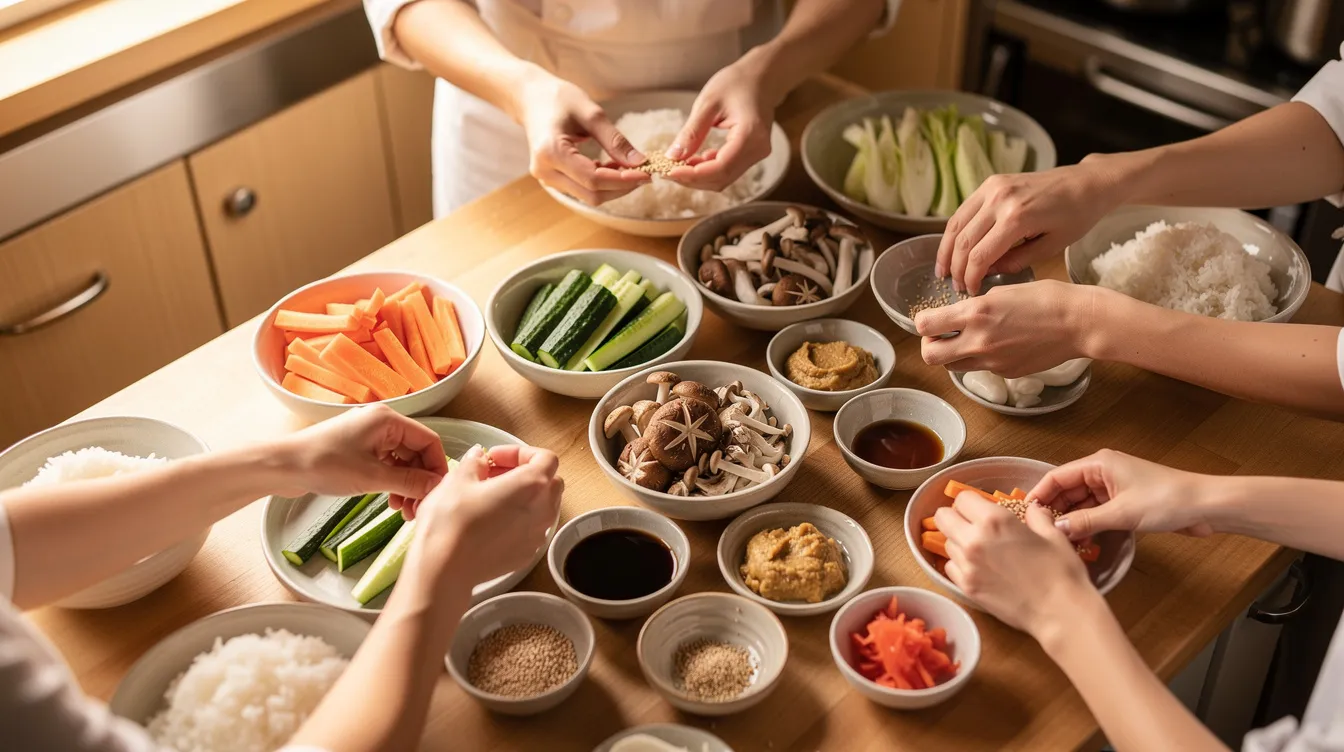
Learning japanese cooking deepens appreciation of japanese food culture because you begin to understand the knife work, seasoning, timing, and restraint behind each dish.
-
Japanese cooking classes in Tokyo or Kyoto often teach gyoza, tempura, sushi rolls, tamagoyaki, miso soup, or home-style side dishes. Guests practice using Japanese ingredients such as miso, mirin, soy sauce, dashi, rice, seaweed, and seasonal vegetables.
-
Market visits with a guide help travelers learn how to choose seasonal fish, vegetables, condiments, and sweets. A guide can explain what to look for in seafood freshness, how miso varieties differ, and why mirin changes the shine and flavor of a glaze.
-
Farm or fishing experiences show the farm-to-table side of japanese cuisine. Rice planting often happens in late May to June, while rice harvesting typically takes place in September to October.
-
Small fishing port visits can introduce travelers to the catch of the day, auction rhythms, and the relationship between coastal communities and the japanese diet.
-
Tea culture is especially strong in Kyoto and Uji. Tea tastings may include matcha, sencha, hojicha, and sweets designed to balance bitterness.
-
Matcha appears in desserts such as matcha ice cream, cakes, parfaits, and wagashi. The pairing of green tea and traditional sweets is one of the most graceful introductions to traditional japanese hospitality.
-
Washoku Club can combine walking food tours with short hands-on elements or introductions to partner cooking studios, depending on season, group size, and itinerary goals.
Planning Your Food-Focused Trip to Japan with Washoku Club
Meals are not just breaks between temples, museums, and shopping streets. With the right plan, japanese food, japanese cuisine, and travel become one experience.
-
Tokyo one-day food idea: start with a morning visit to Tsukiji Outer Market for seafood, tamagoyaki, and snacks. Have ramen or sushi for lunch, explore a depachika food hall in the afternoon, then join a Washoku Club evening yokocho or izakaya-style walk.
-
Kyoto one-day food idea: begin at Nishiki Market for pickles, sweets, seafood, and Tako Tamago. Have lunch near Gion or a temple district, try matcha and wagashi in the afternoon, then enjoy a guided evening route focused on Kyoto flavors.
-
Osaka one-day food idea: start at Kuromon Ichiba Market, eat okonomiyaki or curry rice for lunch, snack on takoyaki in Dotonbori, then finish with kushikatsu in Shinsekai or a Washoku Club night food walk.
-
Group tours are useful for friends, couples, solo travelers who want company, and corporate or school groups that need a clear plan.
-
Family-friendly tours help parents avoid guesswork. Kids