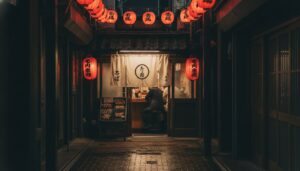
Japanese cuisine has traveled far from Tokyo, Osaka, Kyoto, and coastal fishing towns into cities like New York, London, Sydney, Denver, San Diego, Phoenix, and Salt Lake City. By the late 20th century, a japanese restaurant could mean anything from a quiet sushi counter to a neon-lit ramen shop serving office workers after midnight.
Today, Japanese restaurants range from tiny noodle counters and casual izakaya pubs to luxury omakase sushi bars, teppanyaki chains, kaiseki dining rooms, and family teishoku diners. For diners outside japan, the challenge is not finding japanese food. It is understanding what kind of experience you are walking into, what to order, and how to recognize quality.
This guide explains the main dining styles, signature japanese dishes, basic etiquette, and practical ways to choose a good restaurant in your own city.
Introduction to Japanese Restaurants Around the World
Japanese cuisine spread globally through migration, trade, postwar cultural exchange, and the international popularity of sushi, ramen, tempura, and teriyaki. Early japanese restaurants outside japan often served Japanese communities first, then gradually adapted for wider diners in North America, Europe, and Australia.
What began as a niche cuisine is now a broad selection of dining formats. You can sit at a minimalist sushi bar, order bento boxes for lunch, share karaage and sake at an izakaya, or book a multi-course dinner that feels closer to Kyoto than downtown London.
This article is written for diners outside japan who want to find quality japanese restaurants, understand the menu, and enjoy authentic japanese cuisine with more confidence.
What Defines Authentic Japanese Cuisine?
Authentic japanese cuisine is less about one famous dish and more about a way of thinking: seasonality, restraint, balance, and respect for ingredients. Traditional japanese cuisine emphasizes precision and the natural expression of ingredients rather than overwhelming dishes with heavy sauces.
Key principles include:
-
Seasonality, or shun (旬): Japanese cuisine emphasizes the seasonality of food, known as shun (旬), which influences the design of dishes to reflect the arrival of the four seasons. Bamboo shoots in spring and chestnuts in autumn highlight the use of both the “fruit of the mountains” and the “fruit of the sea.” The first catch of skipjack tuna, known as hatsu-gatsuo (初鰹), is traditionally prized in Japanese cuisine as it signifies the arrival of spring.
-
Visual harmony: Japanese cuisine emphasizes visual harmony, balancing colors, textures, and empty space in dish presentation. The plate should look composed, not crowded.
-
Light seasoning: Dashi, miso, soy sauce, mirin, and sake build depth without hiding the taste of fish, rice, vegetables, noodles, or meat.
-
Balance of methods: Raw, simmered, grilled, steamed, and fried techniques often appear in one meal.
Japanese cuisine is based on combining the staple food, which is steamed white rice or gohan, with one or more okazu, or main or side dishes, often accompanied by a clear or miso soup and tsukemono, or pickled vegetables. The phrase ichijū-sansai refers to the makeup of a typical meal served in Japanese cuisine, consisting of one soup and three side dishes, and has roots in classic kaiseki cuisine.
Many restaurants abroad echo this through set lunches, bento boxes, and teishoku meals: rice, soup, a main dish, two sides, and pickles. In 2013, washoku was recognized by UNESCO as an Intangible Cultural Heritage, reinforcing the importance of traditional japanese food culture, seasonal ingredients, and balanced dining.
Modern japanese food also includes dishes with outside influence. Ramen, originally believed to have originated in China, became popular in Japan after the Second Sino-Japanese War and is now considered an important part of Japanese culinary history. Curry, introduced to Japan by Anglo-Indian officers in the Meiji era, has been adapted to suit Japanese tastes and is now considered a national dish, often served with rice and various meats and vegetables.
Major Types of Japanese Restaurants
Japanese restaurants can be categorized into specialized types that focus on a single dish, such as sushi, ramen, or tempura, and general restaurants that offer a broader range of dishes. Many restaurants do both, but the most memorable places often perfect a narrow menu.
A Tokyo ramen shop might be known only for shoyu ramen since the 1980s. A tempura counter may serve little besides vegetables, seafood, and tempura shrimp fried to order. A kaiseki restaurant may change its menu monthly to reflect the season.
Specialized japanese restaurants usually make it easier to judge quality because every detail matters: the broth, the sushi rice, the knife work, the dipping sauce, or the timing of fried batter.
Sushi Bars and Omakase Counters
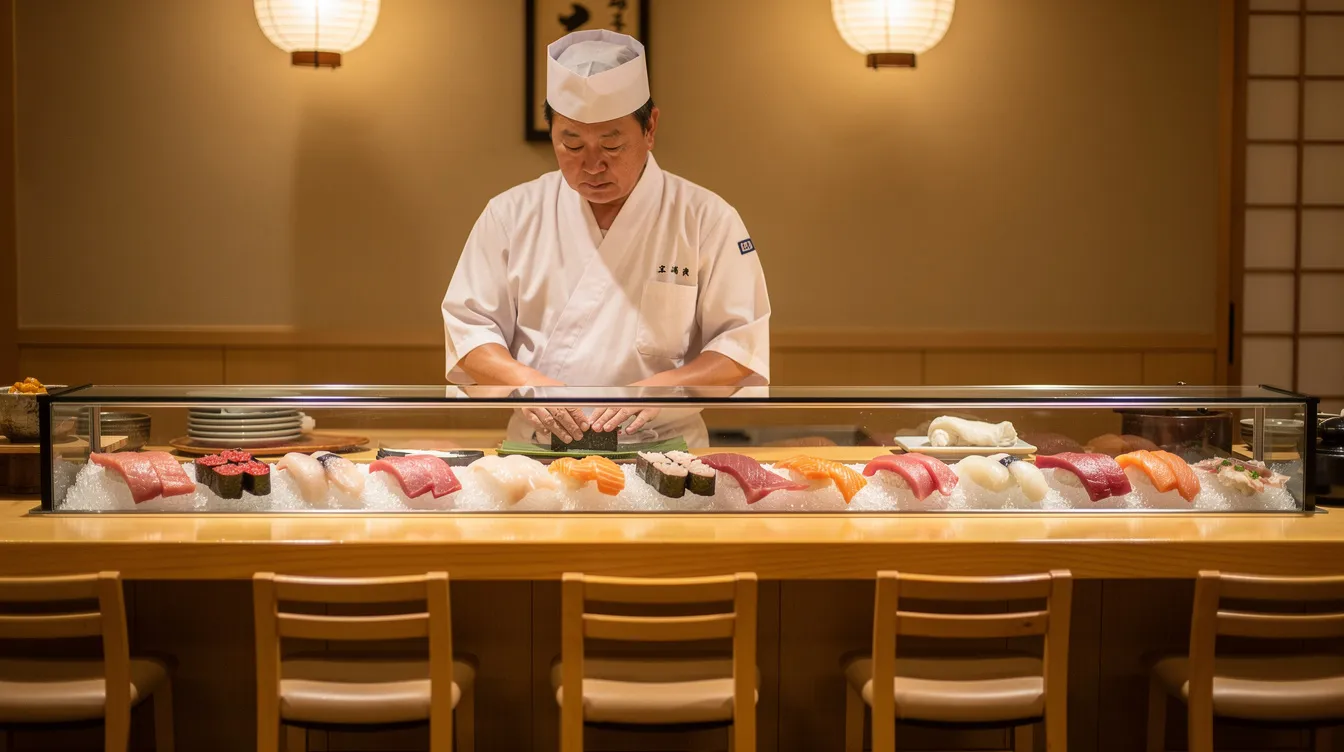
Sushi bars are among the most recognizable japanese restaurants, from eight-seat counters in Ginza to large sushi restaurants in Los Angeles and London. Sushi, which includes various types such as nigiri and maki, has become a global phenomenon and is often associated with Japanese cuisine, featuring fresh seafood and vinegared rice.
Omakase means “I leave it to you.” At a sushi bar, that usually means the chefs choose the progression: sashimi, traditional nigiri, a small hot dish, seasonal sushi rolls, perhaps a hand roll, and simple desserts.
You can spot a quality sushi bar by looking for:
-
Excellent rice: In sushi restaurants, the quality of rice is just as important as the quality of the fish. High-quality Japanese rice should be served at body temperature, seasoned perfectly, and have a distinct sheen.
-
Fresh, seasonal fish: Hokkaido uni in winter, sanma in autumn, or tuna sourced from Toyosu Market in tokyo are signs of serious sourcing.
-
A focused menu: A great sushi bar often offers fewer food items, not more.
-
Clean presentation: Neat rows of nigiri on lacquered boards, pickled ginger, wasabi, and careful cuts of fish show discipline.
Premier Japanese restaurants often create their own house sauces rather than using mass-produced soy sauce. A minimalist counter in New York, for example, might serve only two seatings nightly, source tuna from Toyosu, and focus on traditional nigiri rather than large rolls covered in sauce.
Izakaya and Casual Japanese Dining
Izakaya are casual Japanese bars that serve a variety of small dishes and drinks, often providing a relaxed atmosphere for socializing. They are popular in tokyo and abroad, including cities like Denver, Sydney, and Vancouver.
Typical dishes include karaage fried chicken, yakitori skewers, agedashi tofu, sashimi platters, grilled mackerel, onigiri rice balls, salads, pickles, and simple noodle dishes. The atmosphere is usually lively: handwritten specials on the wall, beer glasses on the table, bottles of sake, and groups ordering several rounds of snacks.
An izakaya is one of the easiest ways to explore japanese food affordably. Instead of choosing one large entrée, diners can share five or six dishes and compare textures and flavors: crisp, smoky, cold, hot, salty, sour, and umami-rich.
Some modern izakaya lean into fusion, adding truffle gyoza, yuzu-chili wings, or cocktails with shiso. That can still be enjoyable when the cooking respects japanese techniques.
Ramen, Udon and Noodle Houses
Ramen shops have become fast-growing restaurant concepts abroad, from counter-only spaces in Vancouver to late-night spots in Phoenix and Salt Lake City. Though ramen has chinese origin, it is now firmly part of japanese culinary identity.
The major styles include:
-
Shoyu ramen: soy sauce-based broth, often clear and savory.
-
Shio ramen: salt-based broth, lighter and clean-tasting.
-
Miso ramen: richer, often associated with Hokkaido.
-
Tonkotsu ramen: pork bone broth, creamy and intense.
-
Vegan ramen: often built from kombu, mushrooms, vegetables, and miso.
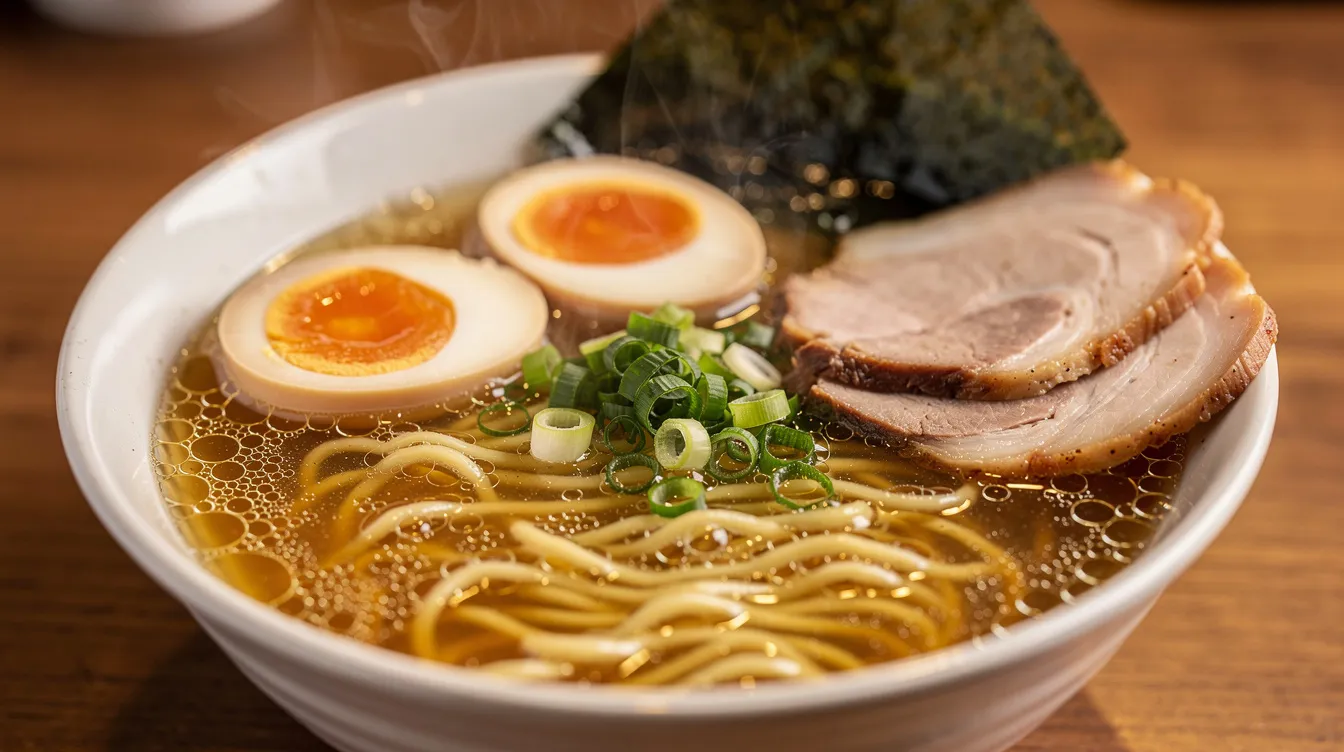
Authentic ramen shops may simmer broth for 10–12 hours and pair it with noodles that match the soup. Look for ajitama eggs, chāshū, menma, green onions, and broth that tastes layered rather than salty.
Udon and soba houses focus on texture. Udon noodles are thick, chewy wheat noodles, often served in hot soup or as tempura udon. Soba is thinner and made with buckwheat, with zaru soba served cold on bamboo trays beside a dipping sauce.
Many noodle houses offer lunchtime sets with gyoza, rice bowls, or tempura-and-soba combinations, making them practical weekday japanese food options.
Signature Japanese Dishes to Know Before You Go
Japanese cuisine goes far beyond sushi, offering a massive spectrum of comforting, texture-rich flavors. Learning a few typical dishes helps you read almost any menu with more confidence.
Sushi and sashimi are the starting point for many diners. Sashimi includes purified, thin slices of raw fish served without rice to highlight the seafood’s quality. Sushi combines vinegared rice with toppings or fillings, including nigiri, maki, and temaki.
Grilled dishes, or yakimono, include salmon teriyaki, saba shioyaki, yakitori chicken, and seasonal fish. Hot pot styles include shabu-shabu, where thin meat and vegetables are swished in broth, and sukiyaki, often cooked with beef, tofu, vegetables, and sweet soy sauce.
Casual favorites include katsu curry, tonkatsu, gyudon, katsudon, and hamburg steak, or hambāgu. Katsudon is a rice bowl topped with a crispy pork cutlet, sweet onions, and a partially cooked egg. Tonkatsu, a breaded and deep-fried pork cutlet, is frequently served with tonkatsu sauce and is a popular dish in Japanese cuisine.
Regional specialties also appear on serious menus abroad. Okonomiyaki is a savory pancake that contains a variety of ingredients mixed into a wheat-flour-based batter, and is popular in many regions of Japan, particularly Osaka. Hiroshima-style okonomiyaki is layered with noodles, while Osaka takoyaki are round octopus fritters served hot with sauce and bonito flakes.
Sushi, Sashimi and Modern Rolls
The difference is simple: sushi means vinegared rice with toppings or fillings, while sashimi is sliced raw fish without rice. Good sushi depends on sushi rice as much as fish.
Common nigiri toppings include maguro, salmon, hamachi, ebi, and unagi. Seasonal specialties may include fatty tuna in winter, shellfish, or local seafood depending on the restaurant’s sourcing.
Traditional Edomae-style sushi focuses on balance and restraint: a small mound of rice, a precise slice of fish, perhaps brushed sauce, and no unnecessary garnish. North American japanese restaurants often also serve California rolls, dragon rolls, spicy tuna crunch rolls, and sushi rolls with chili mayo or cream cheese.
Both styles can be high quality. The key is knowing what you want. If you want traditional japanese flavor, order saba nigiri, kohada, tuna, or tamago. If you want a casual dinner with friends, modern rolls can be fun and filling.
At the counter, sushi is often plated on lacquered boards with pickled ginger and wasabi. The best pieces look simple, but the simplicity comes from years of training.
Hot Dishes: Tempura, Teppanyaki, Yakitori & More
Tempura is seafood and vegetables fried in a light batter, then served with tentsuyu dipping sauce and grated daikon. A good tempura-ya delivers crisp batter, clean oil, and precise timing. Tempura shrimp should taste sweet and light, not greasy.
Teppanyaki restaurants became popular in the United States during the 1960s and 1970s. Chefs cook steak, shrimp, chicken, and vegetables on an iron grill in front of guests, often adding showmanship to the dining experience. These places may also serve wine, sake, or beer with dinner.
Yakitori-ya specialize in skewered chicken parts, including thigh, skin, liver, wings, and meatballs, grilled over binchotan charcoal. The seasoning is usually salt or tare, not heavy sauce.
Other hot dishes include gyoza dumplings, okonomiyaki, donburi rice bowls topped with tempura or sashimi, and simmered beef bowls. Some ramen shops use aromatic oils, pork fat, or even beef tallow in limited dishes, but quality should still come from broth, noodles, and balance.
A practical lunch order might be a tempura-and-soba set: cold soba, crisp vegetables, tempura shrimp, dipping sauce, rice, miso soup, and pickled vegetables.
How to Choose a Good Japanese Restaurant
Choosing a good japanese restaurant in Denver, London, Singapore, or beyond is easier when you look past décor and focus on fundamentals.
Visible quality markers include:
-
A concise seasonal menu rather than an oversized diverse menu.
-
Daily specials featuring seasonal ingredients.
-
Staff who can explain fish sources, broth style, sake, or regional specialties.
-
Rice that is glossy and properly cooked.
-
Dashi that tastes subtle but deep.
-
Clean knife work in sashimi and sushi.
It takes years of apprenticeship for a chef to master the techniques and knives used in Japanese cuisine. That skill shows in small details: the cut of fish, the shape of nigiri, the texture of udon, and the clarity of soup.
Authentic Japanese restaurants showcase ingredient quality and seasonality by adapting their menus to feature fresh, seasonal produce. A serious place may change dishes monthly, use bamboo shoots in spring, chestnuts in autumn, or seafood tied to the current catch.
Check reviews for consistency and freshness, not just portion size. Also notice whether the restaurant is busy around normal dinner hours, especially around 7 p.m. Locals often know which ramen shop, sushi bar, or izakaya is the real local favorite.
Authenticity vs. Fusion: What Suits You?
Authentic usually means dishes close to what you would find in tokyo, Kyoto, Osaka, or regional japan, with minimal adaptation. A traditional japanese kaiseki restaurant abroad may serve small seasonal courses with clear sequencing, restrained seasoning, and careful presentation.
Fusion-focused japanese restaurants use japanese flavors like miso, yuzu, wasabi, shiso, and teriyaki in new formats. Think sushi tacos, wagyu sliders with teriyaki glaze, or fried chicken with yuzu hot sauce.
Purists may prefer sushi counters, ramen shops, tempura specialists, and kaiseki dining. Casual diners may prefer creative maki, izakaya cocktails, or a broad selection of grilled, fried, and hot dishes.
Both authentic and fusion-oriented japanese cuisine can be excellent when the chefs use good ingredients and respect the core techniques.
Dining Etiquette in Japanese Restaurants
Etiquette in japanese restaurants abroad is usually relaxed, but it is still influenced by japanese customs. A few habits will help you feel more comfortable.
Omotenashi refers to the anticipatory service practiced in Japanese dining, where staff serve guests with careful attention to their needs. You may notice water refilled quietly, plates cleared at the right moment, or the chef adjusting the pace of the meal.
In Japan, it is customary to say “itadakimasu” before starting a meal, which translates to “I humbly receive,” and is often accompanied by placing both hands together in front of the chest or on the lap. After finishing a meal, it is polite to say “go-chisō-sama deshita,” meaning “it was a feast,” to express gratitude to the host or restaurant staff.
Basic chopstick etiquette:
-
Do not stick chopsticks upright in rice.
-
Do not pass food chopstick-to-chopstick.
-
Use serving utensils or the opposite end of chopsticks when taking food from shared plates.
At a sushi bar, dip fish-side down in soy sauce, use little extra wasabi if the chef has already seasoned the piece, and eat nigiri in one bite when possible.
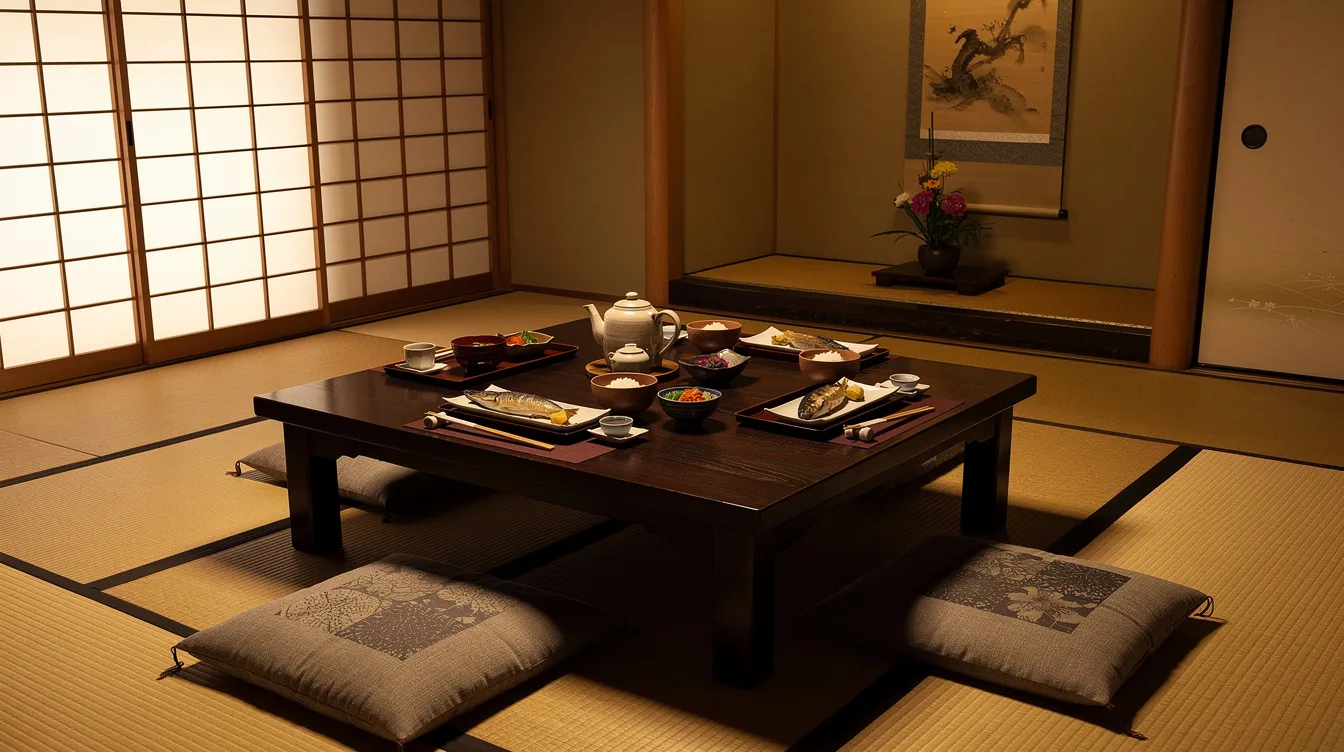
When dining in a traditional tatami room, it is customary to remove shoes before entering, as tatami mats can be easily damaged and are difficult to clean. In a formal dining setting, the honored or eldest guest is typically seated at the center of the table, farthest from the entrance, while the host sits closest to the entrance.
Ordering and Sharing Dishes
Ordering depends on the venue. At an omakase counter, you trust the chef. At teishoku lunch, you choose a set meal. At izakaya, the table shares small plates. At ramen shops, you may choose broth, noodle firmness, spice level, toppings, and extra noodles.
For a table of four at an izakaya, a balanced order might include:
-
2–3 cold dishes, such as tofu, pickles, or sashimi.
-
2 grilled items, such as yakitori and mackerel.
-
1 fried item, such as karaage or tempura.
-
1 noodle dish, such as yakisoba or udon.
-
1 rice dish, such as onigiri or a small bowl.
-
Pickles or vegetables to reset the palate.
Drink culture is simple: beer or sake often comes first, followed by shochu, whisky highballs, or wine depending on the venue. Say “kampai” before drinking.
Reservations matter for omakase, kaiseki, and small counters. If you sit at the bar, polite conversation with sushi chefs is welcome, but avoid dominating their attention during a busy service.
Japanese Restaurants by Occasion and Budget
Japanese food fits many occasions, from quick weekday lunches to special celebrations. The right choice depends on whether you want speed, comfort, theater, or quiet refinement.
Affordable options include lunch sets at casual japanese restaurants, grab-and-go sushi boxes, ramen counters, curry rice shops, and student-friendly bowls. In japan, fast-casual chains and local favorite spots sit beside names like mos burger, curry houses, and noodle counters in everyday dining districts.
Mid-range choices include izakaya dinners, teishoku houses, family restaurants, all-you-can-eat sushi promotions, and neighborhood spots with a broad selection of japanese dishes. These are good for groups because the menu usually includes meat, seafood, vegetarian dishes, salads, noodles, rice, soup, and desserts.
Special-occasion venues include kaiseki restaurants, high-end omakase sushi bars, and teppanyaki restaurants for birthdays or business dinners. Kaiseki is a traditional multi-course Japanese dinner that emphasizes seasonal ingredients and presentation, often served in specialized kaiseki restaurants.
If you want a quiet evening, choose kaiseki or a refined sushi bar. If you want a casual night with friends, choose izakaya, ramen, or teppanyaki.
Examples from Different Cities
In Denver, you might find a downtown sushi bar known for omakase featuring Hokkaido scallops, toro, and a focused sake list. This kind of restaurant is ideal for diners who want japanese food built around seasonality and chef technique rather than a huge menu.
In San Diego, a coastal ramen shop might serve miso ramen, shoyu ramen, and vegan mushroom broth until late, with ajitama eggs and extra noodles available. It shows how japanese restaurants abroad adapt to local schedules while keeping broth and noodle quality central.