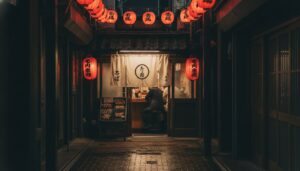
Choosing the right japan restaurant can shape your entire trip. Japan rewards curious eaters with tiny sushi counters, lively izakaya, elegant kaiseki rooms, ramen shops, sweets cafés, and street stalls where one signature dish may be perfected for decades. This guide explains how Japanese restaurant culture works, where to eat in tokyo, kyoto, and osaka, and how Washoku Club helps travelers enjoy authentic japanese food without the stress of reservations, translations, or guesswork.
Why Japan is a Paradise for Restaurant Lovers
Japan is one of the world’s best countries for eating out because japanese cuisine is diverse, ranging from street food to fine dining experiences. A quick meal might be a bowl of ramen at a counter seat, while a once-in-a-lifetime dinner might be kaiseki served over several hours in a quiet dining room. Across the country, fresh ingredients are treated with unusual care, from seafood arriving from the sea to vegetables chosen for peak season.
Every neighborhood in Tokyo, Kyoto, and Osaka has its own mix of tiny counters, family-run eateries, specialist shops, and high-end restaurants. Tokyo alone is famous for its depth: the Michelin Guide Tokyo continues to recognize the city as one of the world’s great dining capitals, with restaurants spanning sushi, tempura, yakitori, soba, and world cuisines.
Washoku Club helps travelers navigate this overwhelming choice. Instead of spending hours comparing reviews, struggling with a Japanese menu, or wondering which restaurant offers the most authentic experience, guests can join curated food tours led by people who understand local dining culture.
What you will learn
The main types of japanese restaurant experiences, from sushi to ramen and kaiseki
Where to eat in tokyo, kyoto, and osaka
How to book, budget, and handle dietary needs
How to join a Washoku Club food tour for a smoother, more delicious trip
What Makes Japanese Cuisine and Restaurants Unique?
A great japanese restaurant is not only about taste. It is about seasonality, presentation, respect for ingredients, and the rhythm of the meal. Japanese cuisine is known for its meticulous presentation and the use of fresh, high-quality ingredients, reflecting a deep respect for nature and the seasons.
-
Fresh ingredients: Freshness of ingredients is crucial in high-quality Japanese cuisine, reflecting the philosophy of shun, or enjoying ingredients at their peak of seasonality. In tokyo, seafood may be sourced from Toyosu Market, the city’s major wholesale seafood hub, where fish and tuna move quickly from market to restaurant kitchens. In kyoto, seasonal ingredients often include prized vegetables such as bamboo shoots in spring or mushrooms in autumn. In Kansai, wagyu beef is valued for its marbling, natural flavors, and careful preparation, and it is often precisely cooked to highlight its quality and texture.
-
Balance and nuance: Japanese cuisine emphasizes seasonal ingredients, with traditional meals often centered around rice, miso soup, and a variety of side dishes including fish and vegetables. A typical teishoku, or set meal, might include rice, soup, pickles, grilled fish, simmered vegetables, and a small side dish. Nothing is random: pickles refresh the palate, miso soup adds warmth, rice anchors the table, and fish or meat provides depth.
-
Staples and everyday comfort: Common staples in Japanese cuisine include rice, noodles such as soba and udon, and a variety of simmered dishes like oden and sukiyaki. These dishes can be simple, but they show the art of restraint: broth, toppings, texture, and timing matter.
-
Service and atmosphere: When you enter a japanese restaurant, you will often hear “irasshaimase,” a warm welcome from the staff. In high-end spaces, the mood may be quiet and focused, especially at a sushi counter seat where the sushi chef serves each piece directly. In casual restaurants, the relaxed atmosphere may include laughter, clinking glasses, and plates shared across the table. At every level, omotenashi, or thoughtful hospitality, shapes the experience.
Specialized Japanese Restaurants: Masters of One Dish
Japanese restaurants often specialize in specific culinary styles like sushi, ramen, and tempura. Many restaurants in Japan specialize in just one type of food, offering a focused and authentic dining experience. Japanese restaurants can be categorized into specialized types, each focusing on a specific cuisine or dish, such as sushi, kaiseki, and tempura.
-
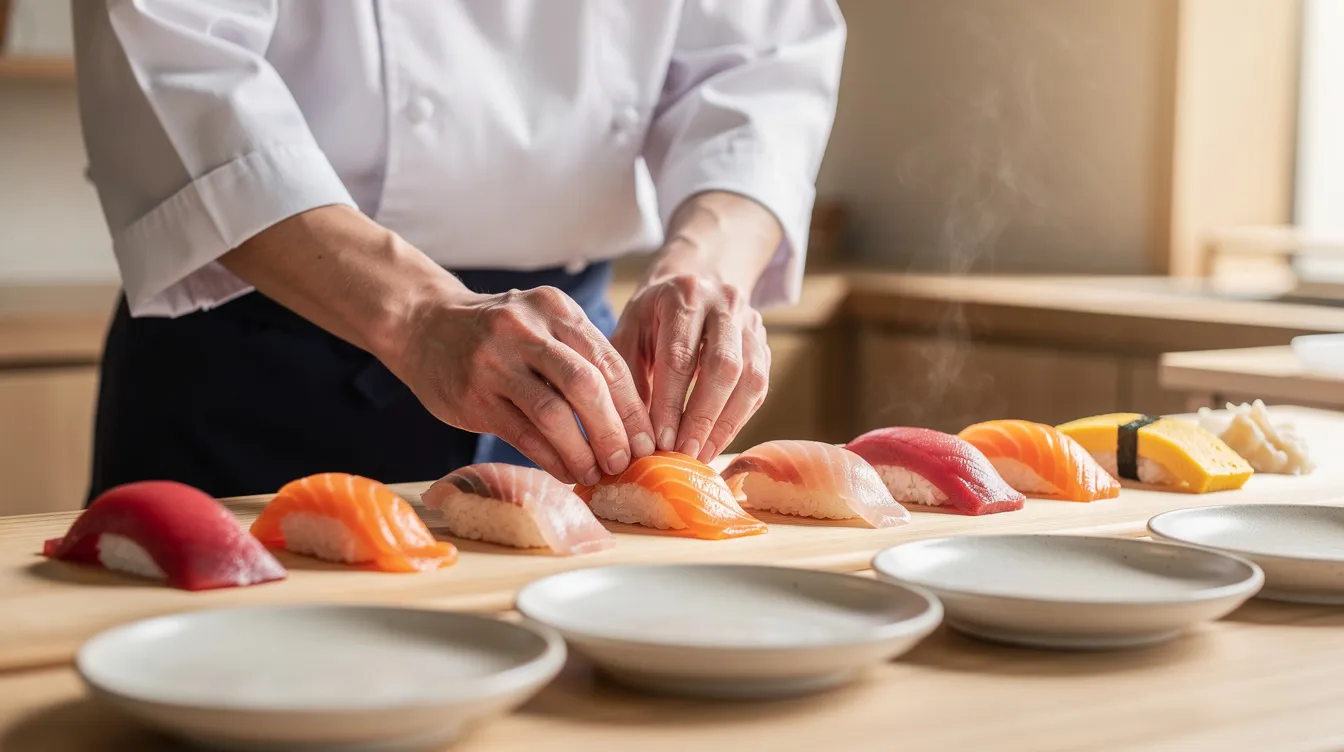
Sushi-ya: Sushi restaurants in Japan often specialize in Edomae sushi, which emphasizes the use of fresh, seasonal ingredients and traditional techniques. High-quality sushi requires properly seasoned, warm sushi rice, known as shari, alongside fresh fish. The best sushi rice is not just “rice under fish”; it is seasoned, warmed, shaped, and timed to match each piece of nigiri. Omakase, a dining style where the chef selects the dishes, is a popular offering in many sushi restaurants, allowing guests to experience a variety of flavors and preparations. The concept of omakase, where the chef selects the dishes for the guests, is also a popular way to experience authentic Japanese dining, allowing for a personalized and seasonal menu. In Ginza or Aoyama, a small sushi restaurant may have only 6–10 seats, with the head chef controlling rice temperature, knife work, seafood aging, and pacing.
-
Sushi atmosphere: Sushi restaurants can vary significantly in atmosphere, from casual settings to high-end dining experiences, often reflecting the chef’s personal style and philosophy. One restaurant offers quick lunch sets; another restaurant offers a premium omakase where every dish is served by the chef. Some serve kyoto style sushi, such as pressed or preserved styles inspired by inland traditions, while tokyo japanese restaurant counters often emphasize Edomae nigiri.
-
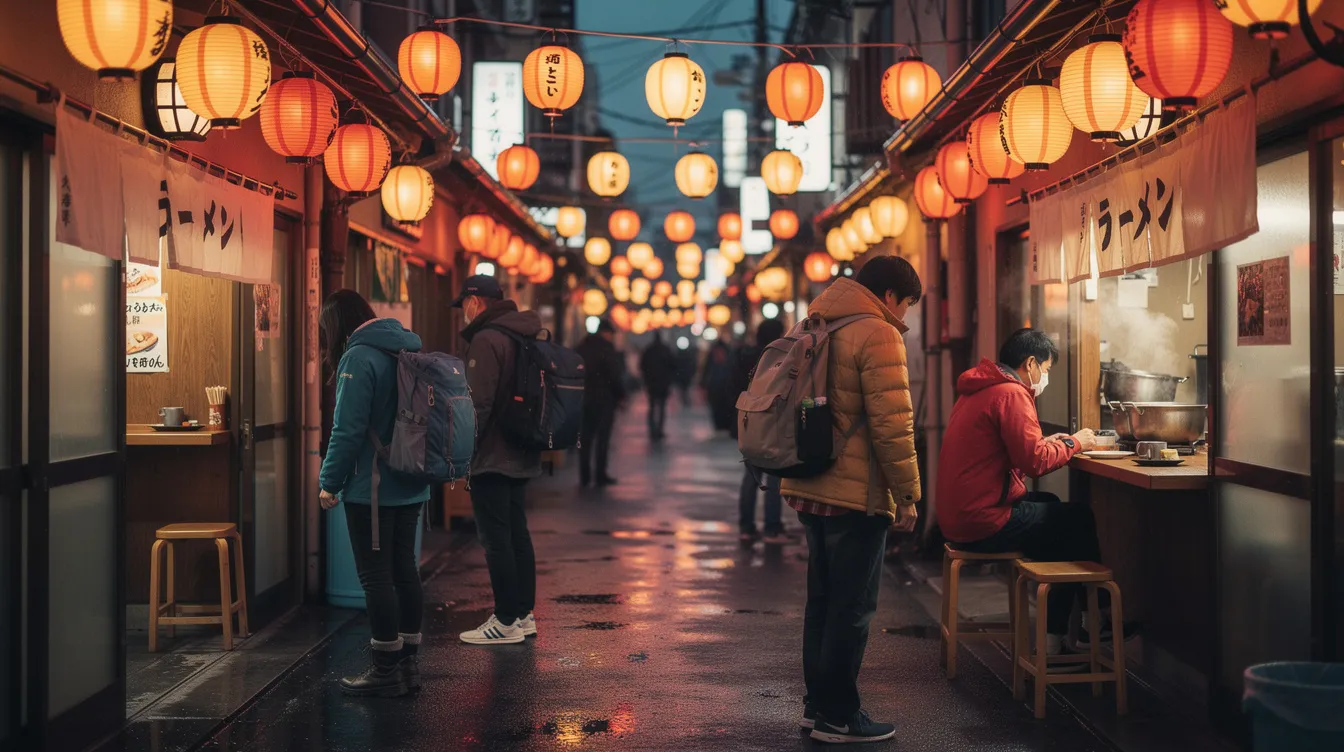
Ramen-ya: Ramen shops are casual, efficient, and deeply specialized. Tokyo shoyu ramen usually has a soy-based soup with lighter broth and medium noodles. Tonkotsu ramen, famous in Fukuoka and also found in Osaka, uses pork bone broth with a richer texture. A ramen menu may focus on only one broth, one noodle shape, and a few toppings, proving how much detail can fit into a single bowl.
-
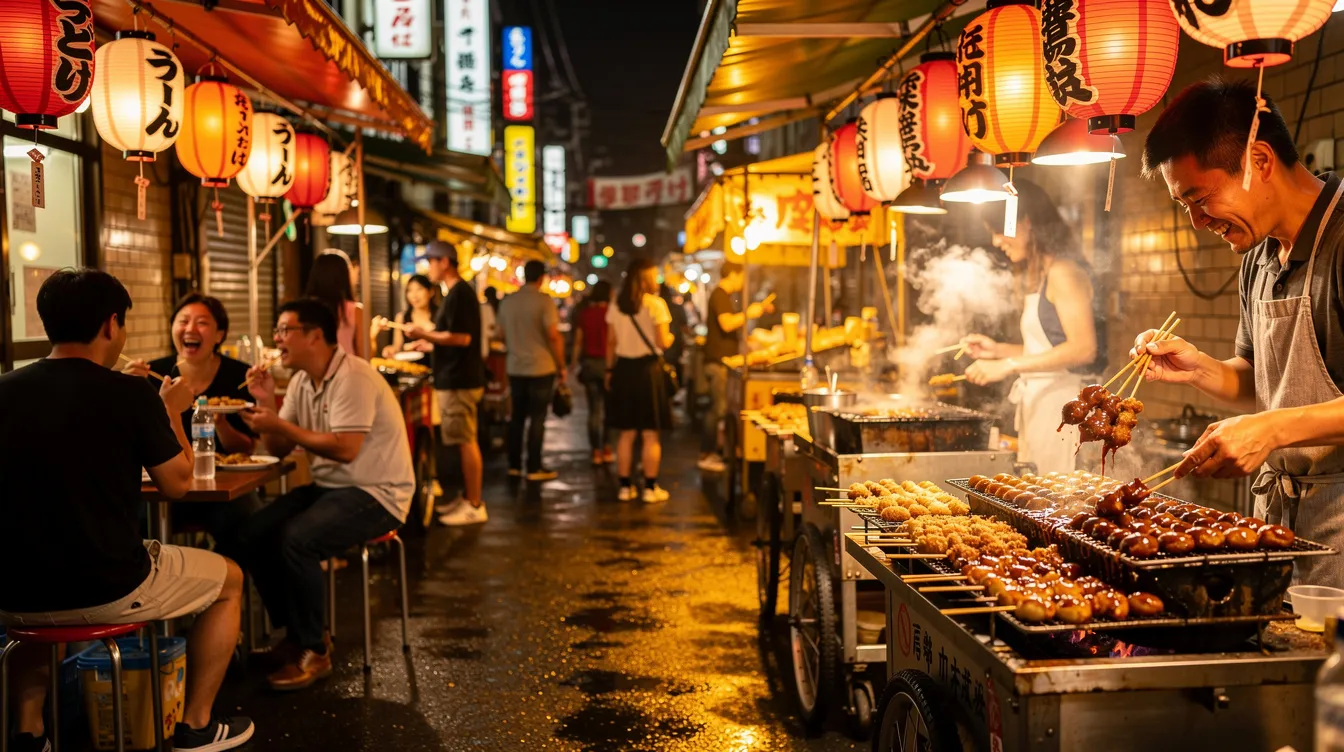
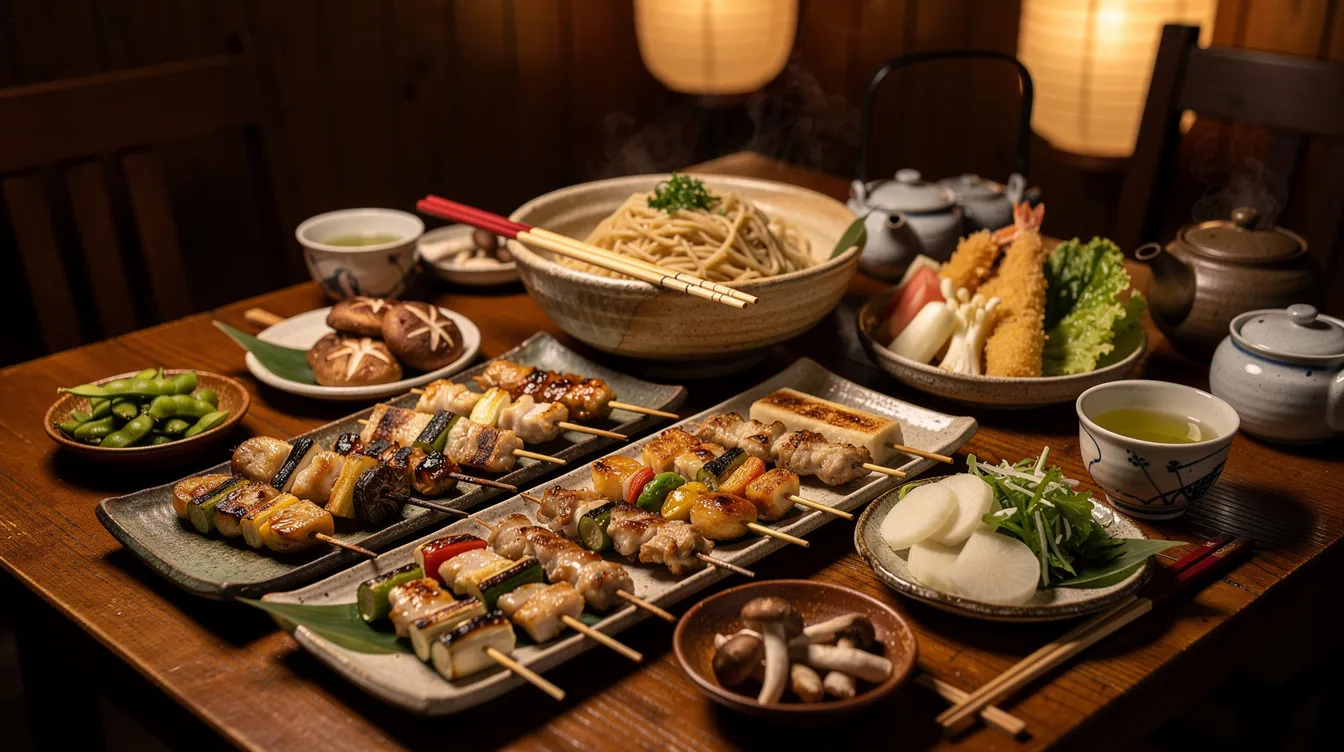
Yakitori and yakiniku: Yakitori shops serve grilled chicken skewers in a lively, smoky setting, often late at night. Shinjuku Omoide Yokocho in tokyo and Namba in osaka are famous for these cozy food lanes. Yakiniku is a style of Japanese barbecue where diners grill their own meat at the table, often choosing cuts of beef, pork, or offal. Teppanyaki involves cooking meats and vegetables on an iron griddle in front of diners, while yakiniku is a style of Japanese barbecue where diners grill their own meat.
-
Tempura, soba, and unagi specialists: A tempura chef must manage batter, oil temperature, and timing so vegetables and seafood come out light, crisp, and not oily. Soba masters adjust buckwheat blends, noodle thickness, and dipping sauces. Unagi specialists grill eel over charcoal and brush it with a sweet-savory tare. Many of these techniques were passed down through modern times from Showa era restaurants, giving each location a strong sense of history.
Washoku Club tours often include at least one specialty spot so guests can see this “master of one dish” culture up close. It is one of the fastest ways to understand why a simple bowl, skewer, or piece of sushi can feel unforgettable.
General & Fusion Tokyo Japanese Restaurant Options
Not every tokyo japanese restaurant is ultra-traditional. Many places offer broader menus, creative fusion, or a wide selection of dishes that work well for groups with mixed tastes.
-
General izakaya and family restaurants: Izakaya are casual Japanese pubs that serve a variety of small dishes and drinks, making them popular for social gatherings. A family restaurant may offer sushi, tempura, grilled dishes, hot pots, fried items, noodles, and sweets so everyone can share plates. This is a good choice when guests want delicious food in a casual setting rather than a fixed tasting menu.
-
Modern bistros: Some modern restaurants combine japanese techniques with French or Italian ideas. You might find dessert omakase, tea-paired tasting courses, or a unique menu centered on seasonal produce. These places are often inspired by both traditional japanese flavors and global cooking, making them appealing to travelers interested in world cuisines.
-
Hotel and department store restaurants: Visitors can find reliable japanese food floors in Shinjuku, Ginza, and Ueno department stores. Basement depachika floors are especially useful for bentos, sweets, fried foods, and ready-to-eat dishes. Upper floors often have sit-down restaurants with clearer menus and English-friendly service.
Washoku Club selects a balance of classic and modern stops in our tokyo food tours. That balance helps guests taste both traditional japanese cuisine and newer interpretations powered by creative chefs, regional ingredients, and changing city tastes.
Iconic Japanese Restaurant Styles in Tokyo, Kyoto, and Osaka
Tokyo, Kyoto, and Osaka all offer delicious food, but each city has a different rhythm. The best japan restaurant for your trip depends on whether you want refined counter dining, traditional elegance, or lively street food.
-
Tokyo: Many guests start their journey here. Many of the city’s best-known dining districts are located in areas such as Ginza, Shinjuku, and around Tokyo Station. Ginza is known for sushi counters, kaiseki rooms, and refined dining. Shinjuku has yakitori alleys, izakaya, and late-night energy. Tokyo Station and Ikebukuro are useful ramen hubs with many styles in one location. A tokyo japanese restaurant might be a luxury counter, a hidden gem in a basement, or a casual noodle shop where office workers sit for a quick lunch.
-
Kyoto: Kyoto is the heart of traditional japanese elegance. Kaiseki is a traditional multi-course Japanese dinner that emphasizes seasonal ingredients and presentation, often served in fine dining settings. Kaiseki is a traditional multi-course Japanese dinner that emphasizes seasonal ingredients and presentation, making it a quintessential authentic dining experience. Along the Kamo River and in Gion, restaurants serve courses on seasonal plates with careful pacing. Near Nanzen-ji, tofu restaurants serve yudofu and vegetarian temple-inspired dishes in machiya townhouses converted into intimate rooms.
-
Osaka: Osaka is direct, loud, generous, and fun. Dotonbori and Namba are famous for takoyaki, okonomiyaki, and street food signs glowing over the canal. Shinsekai is known for kushikatsu, fried skewers of meat, seafood, and vegetables. Many kushikatsu restaurants serve skewers at reasonable prices, making Osaka a strong choice for casual travelers who want a relaxed atmosphere and bold flavors.
Washoku Club runs separate food tours in each city, tailored to that city’s signature restaurant style. Tokyo tours emphasize variety and hidden counters, Kyoto tours highlight tradition and presentation, and Osaka tours focus on street-level energy.
How to Choose the Right Japan Restaurant for Your Trip
Japan offers everything from standing noodle bars to three-Michelin-star kaiseki, so planning is essential. Japanese dining experiences can range from casual, à la carte meals to premium, guided experiences like omakase.
-
Set a budget and vibe: Casual ramen often costs around ¥1,100–¥1,500 per person. A mid-range izakaya meal may cost ¥4,000–¥8,000 per person, depending on drinks and dishes. Kushikatsu or casual street food in osaka can be even more affordable. High-end sushi, tempura, or kaiseki dinners can reach ¥30,000–¥60,000 or more per person. Lunch is often better value than dinner; many luxury sushi counters offer shorter lunch menus for significantly less than evening omakase. Splurge on omakase when you want the chef to guide the meal from start to finish.
-
Understand reservations and age policies: Popular counters may require online reservations weeks in advance. For top sushi, kappo, and kaiseki restaurants, 4–6 weeks is a smart planning window, especially for dinner. Some high-end counters only accept guests above a certain age, such as teenagers or adults, because the dining room is quiet and the pacing is fixed.
-
Check language and menus: English menus are not guaranteed, especially in small restaurants. Picture menus help, but they do not always explain broth, alcohol, pork, or hidden ingredients. Translation apps are useful, but keep service smooth: translate before ordering, speak quietly, and avoid holding up a busy line. A guide can help you understand the menu without disrupting the chef or staff.
-
Plan for dietary needs: Halal-friendly, vegetarian, no-pork, and no-alcohol dining are possible, but they require care. Ramen broth may contain pork. Sauces may include sake or mirin. Tempura batter or frying oil may vary by restaurant. Tokyo has seen strong growth in Muslim-friendly dining, and travelers can consult resources such as Japan National Tourism Organization’s Muslim-friendly travel information before visiting. Washoku Club offers tailored and halal-conscious tours that make this easier by checking restaurants, ingredients, and routes in advance.
-
Think about group comfort: A tiny counter may not work for a family with young kids. A standing bar may not suit older travelers. A private room may be better for groups. The right restaurant is not only about the food; it is also about timing, location, comfort, and expectations.
Washoku Club Food Tours: Your Shortcut to the Best Japanese Restaurants
Washoku Club is a trusted guide for international travelers who want authentic, small-group food experiences. Our tours are built for people who want to eat well, learn the story behind each meal, and avoid the common problems of booking, language, and dietary confusion.
-
Tokyo tours: Tokyo experiences include half-day street food walks and full-day tours that link markets, ramen shops, hidden izakaya, and specialty counters. We can design kid-friendly routes, slower family schedules, and bus-assisted itineraries when guests want to cover more of the city without tiring themselves out.
-
Kyoto tours: Kyoto tours focus on kaiseki-style lunches, tofu specialties, matcha, sweets, and traditional neighborhoods such as Gion and Higashiyama. These routes are ideal for couples, culture-focused travelers, and small groups who want to understand the connection between food, temples, tea, and seasonal presentation.
-
Osaka tours: Osaka tours highlight night walks through Dotonbori, Namba, and backstreets, with takoyaki, kushikatsu, yakiniku, and local comfort dishes. Family-friendly options can start earlier and avoid venues that are too smoky or late-night.
-
Special interests: Washoku Club can help with halal food tours, vegetarian-friendly routes, private family-focused itineraries, and hotel pickup where applicable. Whether guests want seafood, beef, barbecue, noodles, tempura, or sweets, we shape the route around real preferences rather than a one-size-fits-all script.
Book Now to reserve a Washoku Club tour for your travel dates.
Practical Tips for Dining in a Japanese Restaurant
This quick guide will reduce anxiety before you sit down at a japanese restaurant. A few small habits can make the meal smoother for both guests and staff.
-
Basic manners: Say “itadakimasu” before eating and “gochisousama-deshita” after the meal. Use the oshibori wet towel for your hands, not your face. Avoid sticking chopsticks vertically into rice, passing food chopstick-to-chopstick, pointing with chopsticks, or waving them over dishes.
-
Ordering and payment: In casual restaurants, you may order from a vending machine, paper menu, tablet, or directly from staff. To call staff politely, say “sumimasen.” Many smaller spots are still cash-friendly, but in 2026 more restaurants accept IC cards such as Suica or Pasmo, as well as credit cards in department stores, hotels, and larger chains.
-
Timing: Ramen lunches are quick. You eat, enjoy the noodles while hot, and leave when finished. Kaiseki, omakase sushi, and multi-course dinners are slower and may take two hours or more. Arriving on time is essential because many counters serve all guests together at fixed start times.
-
Quick checklist: Confirm last order time, smoking rules, and cover charges before settling in. In an izakaya, an otoshi cover charge may be added automatically with a small appetizer. For upscale restaurants, avoid shorts, sleeveless tops, flip-flops, and strong perfume, especially at sushi counters where aroma affects the meal.
Sample One-Day Food Itinerary with Washoku Club in Tokyo
Here is a concrete example of how a guest might experience multiple japan restaurant styles in one day with Washoku Club.
-
Morning: Start near Toyosu outer market or the Tsukiji area with a Washoku Club guide. Taste tamagoyaki, fresh tuna bowls, and green tea with seasonal wagashi. Your guide explains how market culture connects to tokyo seafood restaurants and why tuna, sea bream, shellfish, and other fish are treated differently by each chef.
-
Midday: Stop for a casual lunch at a local noodle or tempura spot. Guests learn how to order like locals, choose seasonal toppings, and understand the difference between soba, udon, and ramen. If the restaurant offers tempura, the guide explains why oil temperature, batter texture, and timing determine whether the dish tastes light or heavy.
-
Afternoon: Visit a café or wagashi shop in Asakusa or Yanaka. This is a slower part of the day, ideal for sweets, tea, and a short walk through older streets. Seasonal sweets might include sakura mochi in spring, chestnut sweets in autumn, or delicate bean-paste shapes inspired by flowers and leaves.
-
Evening: Finish with a guided izakaya or yakitori hop in Shinjuku or Kichijoji. The evening may feature a unique menu of regional dishes, grilled skewers, sake, shochu, small plates, and local snacks. Your guide explains each item, from chicken cuts to seasonal vegetables, and helps the group sit comfortably, order confidently, and enjoy the relaxed atmosphere.
Use this outline as a starting point, then adapt it to your pace, budget, and dietary needs. Click Book Now and let Washoku Club handle reservations, translations, routing, and restaurant communication.
Frequently Asked Questions About Japan Restaurants
New visitors often have the same questions before choosing a japan restaurant. Here are the quick answers.
-
How far in advance should I book popular tokyo japanese restaurant experiences?
For top sushi, kappo, and kaiseki counters, book 4–6 weeks ahead when possible. Some famous restaurants need even more lead time or concierge access. Most casual izakaya can be booked a few days ahead, though Friday and Saturday evenings fill quickly. -
Is tipping expected in Japan?
Tipping is not customary in japan. Service charges may already be included at some restaurants, especially hotels and fine dining rooms. A polite “gochisousama-deshita” is usually better than leaving cash on the table. -
What should I wear?
Casual clothing is fine for street food tours, ramen, family restaurant meals, and most izakaya. For high-end sushi, tempura, and kaiseki, choose smart casual clothing. Avoid beachwear, strong fragrances, and anything that may distract other guests at a quiet counter. -
Can I bring children?
Many restaurants welcome children, especially casual restaurants, department store dining floors, and earlier dinner settings. Some high-end counters have age restrictions because seating is limited and the meal is slow. Washoku Club designs kid-friendly tours with appropriate venues, earlier timings, shorter walks, and flexible food choices. -
What if I do not eat pork, alcohol, or certain seafood?
Tell Washoku Club before the tour. We can help identify restaurants where ingredients are clearer, explain restrictions in Japanese, and build a route around halal-conscious, vegetarian-friendly, or allergy-aware needs where possible.
Plan Your Culinary Journey with Washoku Club
Japan’s restaurant world rewards curiosity, but it also rewards preparation. With Washoku Club, you can explore many restaurant types, understand fresh ingredients, and enjoy authentic cuisine without planning every booking, map route, and menu translation alone.
A local guide turns a good meal into a memorable cultural experience. From sushi and kaiseki to ramen, tempura, yakiniku, and Osaka street food, Washoku Club helps you taste the country with confidence.
Book Now to reserve your Washoku Club food tour, or contact us for custom group, family, or halal-focused itineraries in Tokyo, Kyoto, and Osaka.