Friendly Culinary Experiences (2025)
You’re in the right place if you’re looking for a well-organized trip that lets you visit multiple destinations and enjoy an affordable food tour in Japan.In this article, we’ll outline the best budget-friendly food tours in Japan so you can experience every region of the country in a unique and exciting way.
Why You Should Join a Food Tour in Japan to Explore Japan’s Culinary Heritage
I didn’t really understand what people meant when they said Japan was “safe” until I got there. I walked around small side streets at nearly 1 a.m., and it felt completely normal—no rush, no worries. It’s the kind of peace you don’t think about until you feel it.
And the food. One of the best parts of my affordable food tour in Japan was joining a guided food tour with Washoku Club. We stopped at places I’d never go into on my own—tiny noodle shops, a stand selling grilled fish, even a dessert café hidden in an alley. The food wasn’t just delicious; it felt homemade, honest, and somehow comforting.
So if you are asking whether it is worth doing a food tour in Japan or not, Let me tell you definitely it is worth
Best Affordable Food Tour in Japan
Top Affordable Food Tours in Japan (2025)
1. A Journey Through Osaka’s Heart Personalized Tour (Small Group)
I didn’t expect much when I booked this affordable food tour in Japan, but honestly, it turned out to be one of the most enjoyable days I had in Japan. It didn’t feel like a tour at all—more like wandering around with a friend who knows every hidden food spot in the city.
We started in Shinsekai, and the first thing that hit me was the smell—fried skewers, grilled meat, and sweet snacks, all mixing together in the air. I stopped way too many times to eat classic street food from each stall, especially takoyaki, which gave me a real feel for Japanese cuisine. One guy selling takoyaki told me his grandfather started the stall over 50 years ago. I wouldn’t have known that story if he hadn’t started talking while flipping the batter in front of me.
Then we moved on to Kuromon Market. It’s been around for nearly two centuries, but it doesn’t feel old or boring — it’s busy, loud, and full of life. I watched one woman prepare sashimi so quickly it looked like magic. Another seller handed me a free sample just because I asked too many questions about the fish. That’s the kind of friendliness you get here—no rush, no pressure, just people proud of their food, and stops like this show off local specialties while reminding you why market visits matter on culinary tours, especially when group tours include family-run eateries.
By the time we reached Namba, the sun was down, and the place had completely transformed. Neon lights, music, people laughing—the city felt alive. We walked around, stopping for random snacks that smelled too good to ignore. At one stand, a man insisted I try a spicy beef skewer “the Osaka way,” and honestly, it was the highlight of the night.
I left the tour feeling full—not just of food, but of small stories, smiles, and moments I wouldn’t have had if I’d explored alone.
Best Affordable Food Tour in Japan
2 – Catch Your Best Moments In Tokyo With A Professional Photographer
Honestly, this day in Tokyo just stuck with me—not because I planned anything special, but because everything felt so alive. It had a bit of everything: crowds, colors, history, and weird snacks I couldn’t pronounce. I loved all of it.
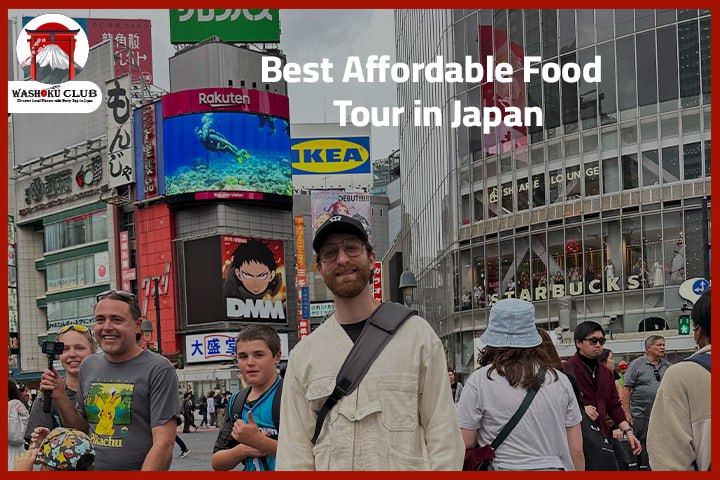
At this affordable food tour in Japan, we went to Shibuya Crossing. You know that famous intersection you always see in movies? Yeah, it’s exactly like that—except wilder. When the light turned red, people came from everywhere.
I stood there longer than I expected, just watching how it all worked. Nobody bumped into anyone, somehow. I snapped a few photos, then hung around near the Hachikō statue because that’s where the energy of the bustling city hits you hardest.
After that, we went to Harajuku, and honestly, it felt like stepping into a completely different city. The streets were loud and full of color—teenagers in outfits I couldn’t even describe, graffiti everywhere, and shops selling the most random stuff.
I wandered down Takeshita Street, tried on a ridiculous hat I’d never wear, and ate a crepe I loved so much. Down Omotesando Avenue, everything flipped again—suddenly it was high-end fashion and glass storefronts. Tokyo changes mood faster than I do. In spring, a lot of travelers also make time for Tsukiji Market to see the freshest seafood.
Later in the afternoon, I needed a slower pace, so I headed to Asakusa. It felt like going back in time. Wooden shops selling traditional crafts, the smell of street food, and everyone walking at a slower pace.
I stopped by Sensō-ji Temple, grabbed a few snacks along Nakamise Street, and just took my time. I even passed Hanayashiki, an old-school amusement park, before ending my walk by the river in Kuritsu Sumida Park. It was quiet there—the perfect way to end a busy day, and in spring the cherry blossoms make the walk feel even more special.
Best Affordable Food Tour in Japan
3 – Tokyo | The Perfect Wagyu A5 Dining Experience
Actually, I don’t even know where to start. This day in Asakusa was full of food, history, and weird little surprises, but what stood out most was how the meal felt rooted in Japanese culinary culture. The dishes were carefully prepared, with the kind of seasonal balance and presentation you see in kaiseki dining, that traditional multi-course style that shows off Japanese cuisine at its most refined. the sushi So fresh, it almost felt like it was still swimming.
I just walked along Sushiya Dori, popping into random restaurants. Tried uni. Tried shrimp. Tried herring. Each stop gave me a new taste of the area. Some places were tiny, some loud. Honestly, I was kind of overwhelmed, but in a good way. Oh, and yes, I got full way too fast.
Then Tokyo. Sensō-ji Temple. Calm, peaceful, people praying, the smell of incense, the whole vibe. I don’t know, it just makes you feel connected or something.
Later, the Asakusa Rock Yumemachi Theater. Music, videos, performers flying around? I ate some fried chicken, drank something fizzy, and laughed way too much. Totally fun. I can also see why some travelers look for Michelin-starred restaurants in Tokyo when they want this kind of polished dining experience.
By the end of the day, I was stuffed and happy, and my brain was thinking of what we have visited at this affordable food tour in Japan.
Best Affordable Food Tour in Japan
4 – Dive Into Street Food & Culture Of Nakano With a Guided Walking Tour
This day was all about discovering the heart of traditional Tokyo, and Asakusa was the perfect place to do it. let me tell you what i have done in this affordable food tour in japan
I started by learning about the history of Asakusa, which is deeply connected to the city’s past. Walking through the streets around the temple, I could feel the old atmosphere everywhere — from the buildings to the sounds and smells. Small-group experiences usually work best with around 6–8 guests, so the day feels more personal for travelers.
The highlight of the visit was exploring one of Japan’s most magnificent temples, dedicated to the goddess of mercy. It was beautiful and peaceful, and I spent time walking around the temple grounds, watching people pray, and learning about its cultural importance.
After that, I wandered through the busy shopping streets nearby. The area was full of small shops selling souvenirs, traditional snacks, and street food. I stopped a few times to try local treats and pick up small gifts—the energy here was lively and welcoming.
The food part of the tour was just as exciting as the sightseeing. It also helped me explore local culture more deeply, sometimes through tastings or a cooking class, and not just the cultural sights. Tasting local flavors while being surrounded by history made the experience feel real and unforgettable.
Best Affordable Food Tour in Japan
5. Pick the Hours That Suit You In A Flexible Tokyo Guided Tour
This was one of the most exciting days of my affordable food tour in Japan—full of lights, energy, culture, and, of course, amazing food. From world-famous crossings to anime streets and vibrant nightlife in a bustling city, every stop felt completely different from the last.
I started my day at the legendary Shibuya Crossing, one of the busiest intersections in the world. As the traffic lights turned red, I joined hundreds of people crossing from every direction at the same time.
It was a fun and unique experience—loud, crowded, and full of life. I took a few photos and just stood there for a moment, watching how perfectly organized the chaos was. It’s one of those “only in Tokyo” moments you can’t miss.
Next, I headed to Akihabara, a dream come true for any anime fan. Walking down the streets here felt like stepping into a different world—everywhere I looked there were anime shops, colorful signs, and people dressed in cosplay.
I stopped at a maid café, where the staff performed cute dances and fun shows while serving drinks—it was something I’d never experienced before. Then I visited Animate Akihabara, a huge store full of merchandise from my favorite anime characters. It was impossible not to leave with a few souvenirs!
From there, I made my way to Harajuku, the home of Japanese “kawaii” (cute) culture. I walked along Takeshita Street, which was packed with colorful shops and endless sweets—from crepes and candy to bubble tea.
I also visited Tokyu Plaza Omotesando, the biggest shopping mall in the area, where I found fashion stores, cafés, and plenty of places to relax and enjoy the view. Harajuku was bright, cheerful, and full of positive energy—it’s impossible not to smile here.
Detailed itineraries help travelers plan lunch, dinner, and neighborhood stops without missing key food experiences.
In the evening, I explored the nightlife side of Tokyo, starting in Shinbashi, an area known for its local izakaya culture. The streets were lively with people enjoying food and drinks after work, and a flexible tour schedule can include meals earlier in the day or later at night depending on the route.
I tried some of the best street food I’ve ever had—crispy karaage (fried chicken), juicy yakitori (grilled skewers), handmade onigiri, freshly made curry bread, and creamy Japanese pudding. Each bite was delicious, and I also learned the stories behind these famous Japanese street foods.
Best Affordable Food Tour in Japan
Everything You Need to Know About a Japan Food Tour
Food Tour—it means a guided Japan food tour that introduces you to famous Japanese dishes across multiple stops, from casual tastings to more immersive culinary tours.
The tour often takes you through local streets, markets, or neighborhoods known for their food, such as Tokyo, Osaka, or Kyoto, and some routes also visit cultural sights tied to Japan’s culinary, including Tsukiji Fish Market or a sake brewery.
It is led by a local guide who explains the history and culture behind each dish, connects you with the local community, and shows how Japan’s culinary heritage is shaped by local ingredients and the seasons.
The experience includes tasting a variety of dishes over lunch or dinner, such as sushi, ramen, takoyaki, traditional Japanese sweets, and more; some itineraries also add a cooking class, sake tasting, or regional local specialties.
It offers the perfect opportunity to experience authentic Japanese food culture away from typical tourist restaurants, with some experiences highlighting culinary heritage through hands-on cooking.
It’s ideal for first-time visitors, as it combines food, culture, and local experiences all in one. Halal food tours also cater to Muslim travelers with halal-certified restaurants and vendors, while adding cultural immersion around preparation and dining customs. Spring and autumn are especially rewarding, and autumn may feature matsutake mushrooms and seasonal fish.
Book Your Affordable food tour in japan Now
Read More: