
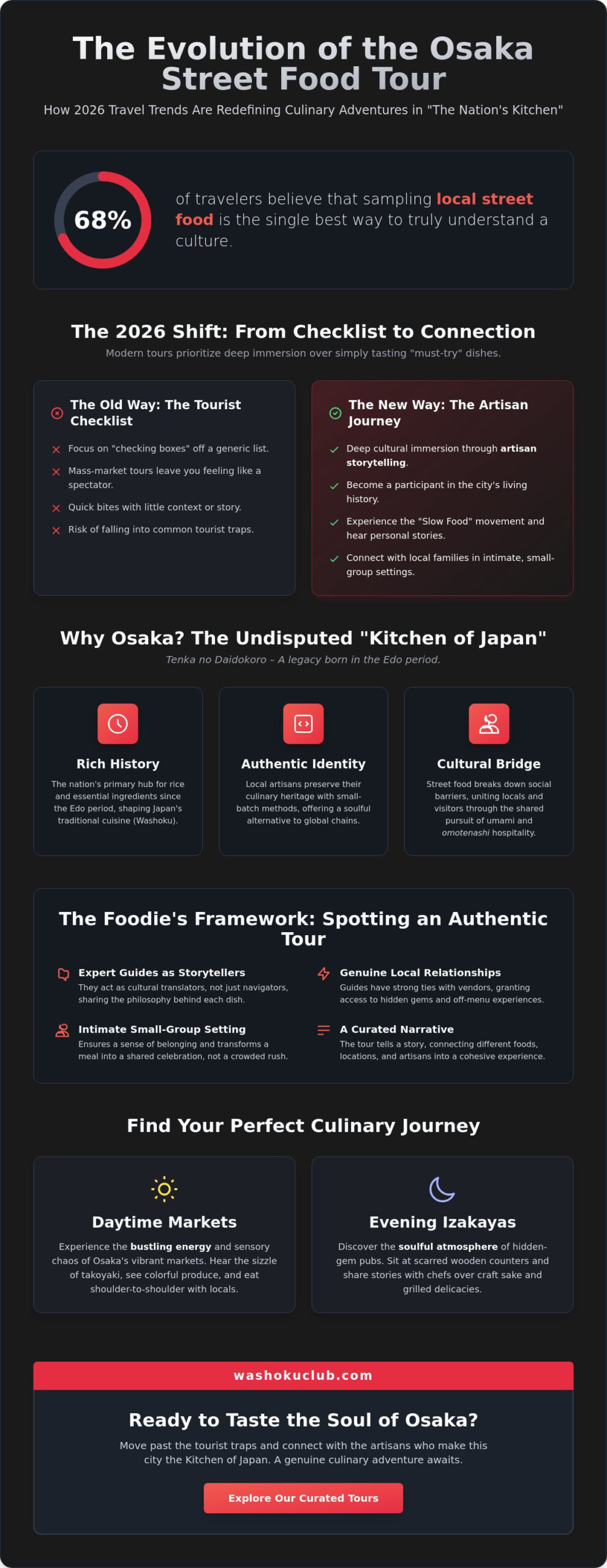
Did you know that 68% of travelers now believe that sampling local street food is the single best way to truly understand a culture? It’s a sentiment we feel deeply every time we step into the vibrant, savory-scented alleys of Japan. You’ve likely felt that familiar pull too, the desire to dive into the heart of a new city, yet perhaps you’ve felt held back by the fear of missing the “real” spots or the challenge of a language barrier at a crowded stall. Finding the perfect osaka street food tour shouldn’t feel like a stressful search for a needle in a haystack.
We believe your journey should make you feel like a cherished friend rather than just another number in a crowd. In this guide, you’ll discover how the modern osaka street food tour has transformed from a simple tasting into a deep cultural immersion into the heart of Japanese hospitality. We’ll show you how to move past the tourist traps to uncover the rich history behind every bite. You’ll learn how 2026 travel trends are prioritizing authentic connection, ensuring you leave with a full stomach and a genuine bond with the local artisans who make this city the nation’s kitchen.
What You Will Learn
- Uncover why the “Kitchen of Japan” is leading the 2026 shift toward culinary storytelling and deep cultural immersion.
- Learn to distinguish between tourist traps and authentic hidden gems by evaluating a guide’s expertise and their relationship with local vendors.
- Find your ideal osaka street food tour by comparing the bustling energy of daytime markets with the soulful atmosphere of evening izakayas.
- Understand the Japanese “Slow Food” movement and why the artisan’s personal story is now as vital as the umami in every bite.
- Discover how intimate, small-group settings create a sense of belonging, transforming a simple meal into a shared celebration of hospitality.
The Rise of the Regional Food Tour: Why Osaka Leads the 2026 Culinary Wave
The way we travel has changed beautifully over the last few years. In 2026, a modern osaka street food tour is no longer just a series of quick bites between landmarks. It has evolved into a curated cultural narrative where every flavor tells a story of the people who call this city home. While mass-market sightseeing often leaves you feeling like a spectator looking through a glass window, an intimate culinary walk invites you to become a participant in the city’s living history. We believe that to eat is to understand, and there’s no better place to start than in the heart of Japan’s most vibrant food scene.
Osaka has long held the title of Tenka no Daidokoro, or the “Kitchen of Japan.” This isn’t just a catchy nickname; it’s a reality born in the Edo period when the city became the nation’s primary hub for the rice trade and essential ingredients. Today, this legacy continues through the global appreciation of traditional Japanese cuisine, known as Washoku. Travelers now seek more than just sustenance. They want to understand the seasonal rhythms and regional pride that define our plates, moving away from “checking boxes” and toward meaningful immersion.
The “Kitchen of Japan” in the Modern Era
Regional hubs like Osaka have fought hard to keep their culinary identity in a world of global chains. We’ve seen a beautiful shift from simple street snacks to recognized gourmet experiences that rival fine dining in their complexity. Because the market landscape changes so quickly, having a local expert by your side is essential. They help you find the artisans who still use small-batch production methods, ensuring your osaka street food tour remains authentic, soulful, and far removed from the usual tourist traps.
Why Street Food is the Ultimate Cultural Bridge
There’s a unique magic in the sensory chaos of a bustling market. You’ll hear the rhythmic sizzle of takoyaki pans, smell the rich, comforting aroma of dashi, and see the vibrant colors of seasonal produce. Eating on the street naturally breaks down social barriers. It’s where international visitors and local residents stand shoulder-to-shoulder, united by the pursuit of umami.
Omotenashi is the core of the Japanese hosting experience, representing a deep-rooted commitment to wholehearted hospitality that treats every guest like a lifelong friend. If you’re ready to explore these hidden corners and taste the soul of the city, you can explore our curated selection of experiences to find the journey that speaks to you. We can’t wait to welcome you to our table.
2026 Trend Analysis: From “Checking Boxes” to Artisan Storytelling
In 2026, the global travel community has finally realized that a meal is more than just fuel; it’s a conversation. While older guides might have pointed you toward a generic list of “must-try” dishes, a modern osaka street food tour focuses on the hands that prepared those delicacies. We’ve seen a massive shift toward “Slow Food” and small-batch production. People don’t just want a quick snack. They want to know why a specific family has been using the same dashi recipe since the 1950s. This curiosity is driving guests away from the neon-soaked main streets and into the quiet, soulful districts where the true heart of the city beats.
Professional guides now serve as much more than just navigators. They act as vital translators for both language and the subtle cultural nuances that make Japanese dining so special. By bridging this gap, they transform a simple outing into a deep immersion. You’re no longer just looking at a menu; you’re understanding the philosophy behind it. This evolution ensures that every bite carries the weight of history and the warmth of a personal connection.
The Human Connection: Meeting the Artisans
When you sit at a scarred wooden counter in a hidden gem izakaya, you aren’t just a customer. You’re a guest in someone’s home. Hearing a third-generation chef explain the nuance of their craft while the steam rises around them creates a memory no camera can capture. These interactions do more than satisfy your hunger. They support local families and ensure that traditional techniques aren’t lost to time. It’s the clear difference between a tourist trap that treats you like a number and a local favorite where you feel like part of the community. Finding these spots on an osaka street food tour allows you to witness the pride and dedication that define the city’s culinary spirit.
Sustainable and Responsible Culinary Travel
We also see a growing commitment to responsible exploration among our guests. By choosing small-group experiences, we naturally reduce the footprint of mass tourism on fragile local ecosystems. This approach honors Washoku, traditional dietary cultures, which emphasizes the “Shun” or peak seasonality of ingredients. When we eat what is in season, we celebrate nature’s timing and significantly reduce food waste. Expert-led journeys help you navigate these choices, ensuring your consumption is both meaningful and respectful. If you’re looking to dive deeper into these traditions, you might enjoy exploring our authentic culinary journeys across Japan’s most iconic neighborhoods.
Comparing Culinary Experiences: Which Tour Style Fits Your Journey?
Finding the right osaka street food tour depends entirely on how you want to experience the city’s unique energy. While we’ve discussed the shift toward artisan storytelling, you must also consider the practical side of your adventure. Do you want to dive into the morning rush of a professional market, or are you looking for the glowing lanterns and hidden Izakaya culture of the evening? Every traveler has a different rhythm, and choosing a style that matches yours is the key to feeling like a welcomed guest rather than just a tourist in a crowded alleyway.
A frequent question we hear is whether a professional guide is a necessary investment. While exploring on your own is possible, a guide acts as your cultural key, opening doors to places that often lack English menus or clear signage. They navigate the complex social etiquette of traditional stalls and handle the ordering process, allowing you to focus entirely on the sensory experience. It’s the difference between guessing what you’re eating and understanding the precise balance of flavors that makes a dish iconic.
Small Group vs. Private Food Tours
Small group tours offer a wonderful social benefit, allowing you to share your discoveries with a community of fellow food lovers. There’s a special kind of bond that forms over a shared plate of creamy takoyaki. However, families or those celebrating a milestone often prefer the intimacy of a private experience. This format allows for a tailored pace and deeper one-on-one time with your guide. You can compare these different philosophies on the Washoku Club culture and food tours all-tours page to see which journey resonates with your needs.
Daylight Markets vs. Neon-Lit Night Tours
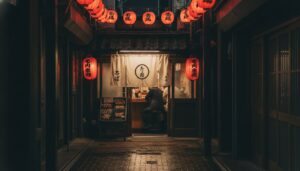
The timing of your tour completely changes the menu and the atmosphere. Morning tours capture the frantic, exciting energy of fish markets and specialty vendors preparing for the day’s business. This is the best time for photography, as the natural light highlights the vivid colors of fresh seafood and seasonal produce. As night falls, the city transforms into a labyrinth of neon-lit alleys. The evening menu shifts toward “soul food” and grilled specialties like kushikatsu, paired with the lively atmosphere of local workers unwinding. Both options offer a unique window into the city’s heart, but your choice will define the flavor of your memories.
The Foodie’s Selection Framework: Spotting an Authentic Experience
Selecting the right osaka street food tour is a decision that shapes your entire perception of Japanese hospitality. It’s the difference between a superficial snack and a soulful immersion. To find the best fit, we recommend a framework based on four essential criteria: the guide’s depth of knowledge, the selection of authentic vendors, the intimacy of the group size, and the level of dietary flexibility provided. Each of these pillars ensures you feel like a welcomed guest rather than just another visitor passing through.
What Makes a “Passionate Local Guide”?
A “Passionate Local Guide” is someone who lives and breathes the city’s culinary history. They don’t just tell you what you’re eating; they explain the “why” behind every ingredient and technique. These experts have spent years nurturing long-term relationships with stall owners, which creates a warm atmosphere of mutual respect. When you walk into a tiny shop with them, the greeting is genuine and the connection is immediate. They act as your voice, helping you navigate handwritten menus without English translations and ensuring you understand the subtle etiquette that makes Japanese dining so graceful.
Decoding the Itinerary: Authenticity Red Flags
Look closely at the itinerary for any red flags before you book. If a tour only visits the most famous, neon-lit spots seen all over social media, it might be focusing on “Instagrammable” moments rather than culinary depth. True treasures are often found in the quietest, most evocative alleys where the air is heavy with the scent of simmering dashi and grilled meats. These hidden gems are essential for a true Umami experience because they focus on the integrity of the flavor and the history of the craft rather than the aesthetics of the stall.
Finally, consider the group size and cultural respect. Large groups often disrupt the quiet flow of local life and make it impossible to have a real conversation with your guide. Smaller groups allow for a more personal touch, where your questions are encouraged and your dietary needs are handled with care. This level of attention ensures that everyone can enjoy the spirit of Washoku regardless of their restrictions. If you want to skip the crowds and find the heart of the city, you can explore our curated food tours to find an experience that prioritizes quality over quantity.
The Washoku Club Difference: Connecting You to the Soul of Japan
At Washoku Club culture and food tours, we believe that true hospitality is about more than just providing a seat at the table. Our philosophy centers on culinary storytelling, where your osaka street food tour becomes a living narrative rather than a simple checklist of local snacks. We prioritize small, intimate groups specifically so they feel like a gathering of friends. This closeness allows us to share the quiet secrets of the city with you in a way that large, impersonal excursions simply cannot match. When you walk with us, you aren’t just a customer; you’re a welcomed guest in our home.
We operate across Japan’s most iconic culinary hubs, bringing our deep-rooted passion for tradition to every city we visit. This national expertise ensures that you receive a consistent, high-quality experience whether you are exploring the neon alleys of Osaka or the historic markets of Tokyo and Kyoto. By bridging the gap between international visitors and local artisans, we help you find a sense of belonging in a culture that can sometimes feel out of reach. Our mission is to transform your meal into a meaningful connection that lasts long after the final bite.
Why We Reject the “Tourist Trap” Model
We’ve made a deliberate choice to avoid the loudest, most crowded paths that define mass tourism. Instead, our process involves hand-picking artisans who represent the very best of Japanese tradition. We look for the families and chefs who have dedicated their lives to a single craft, ensuring that every stop on your journey is authentic and soulful. We prioritize these human connections over a rigid, ticking-clock schedule, allowing the conversation to flow as naturally as the tea. You can view our full range of tours at Washoku Club culture and food tours to find the specific experience that speaks to your curiosity.
Your Invitation to the Club
When you join an experience at Washoku Club culture and food tours for the first time, you can expect to be treated with the spirit of Omotenashi. This is our commitment to wholehearted hospitality, where we anticipate your needs and treat your journey with the same care we would give a lifelong friend. We’ll help you navigate the nuances of the local scene, from the correct way to dip your kushikatsu to the stories behind the seasonal ingredients on your plate. Join us for a journey that goes far beyond the surface and discover the true soul of Japan. We’re ready to welcome you to the club.
Step Into the Heart of Japan’s Culinary Future
The culinary landscape of 2026 invites you to look past the surface and embrace the rich, human stories behind every bowl of ramen or skewer of kushikatsu. You’ve seen how the modern osaka street food tour has transformed into a profound cultural bridge, moving away from mass-market sightseeing toward intimate, artisan-led encounters. By choosing a journey that prioritizes small groups and hidden gems, you ensure that your time in Japan is defined by genuine connection rather than just a list of checked boxes.
Since 2016, we’ve dedicated ourselves to providing expert-led tours that span Japan’s most iconic culinary destinations. Our philosophy is deeply rooted in the spirit of Omotenashi, ensuring that every guest feels like a cherished member of our community. We invite you to explore our curated culinary experiences and book your journey today! Whether you are navigating the bustling markets of Osaka or the quiet alleys of Kyoto, let’s discover the soul of Japan together. We can’t wait to share our table with you.
Frequently Asked Questions
What makes an Osaka street food tour different from other cities in Japan?
Osaka is defined by its “Kuidaore” spirit, which translates to “eat until you drop.” While Tokyo offers refined diversity and Kyoto specializes in elegant kaiseki, an osaka street food tour focuses on bold, soulful flavors and a relaxed, boisterous atmosphere. You’ll find the locals are exceptionally friendly and the street culture is unparalleled. It’s the birthplace of beloved dishes like takoyaki and okonomiyaki, making it a pilgrimage for any serious foodie.
Are these food tours suitable for people with dietary restrictions like vegetarians?
We strive to accommodate everyone, though traditional Japanese cuisine often relies on dashi, or fish stock. If you are vegetarian or have specific allergies, please let us know when you book. Your guide will work closely with stall owners to find suitable alternatives or hidden gems that cater to your needs. While some traditional spots are fixed in their recipes, the modern food scene in Osaka is increasingly diverse and welcoming.
How much walking is involved in a typical street food tour?
A typical culinary journey involves a gentle, moderate pace covering roughly two to three kilometers over the course of three hours. We design these paths to be accessible, with plenty of stops to sit, eat, and soak in the local atmosphere. You won’t feel like you are on a marathon. Instead, the walking serves as a way to build an appetite between the delicious bites we’ve curated for your group.
Is it better to book a morning market tour or an evening food crawl?
Your choice depends entirely on the atmosphere you crave. Morning tours are perfect for witnessing the vibrant energy of fresh markets and seeing artisans prepare for the day. If you prefer the glow of neon lanterns and the lively “salaryman” culture, an evening osaka street food tour through backstreet izakayas is the way to go. Morning is about the ingredients; evening is about the soul and the social connection of the city.
What should I bring with me on a culinary walking tour?
We recommend wearing your most comfortable walking shoes and bringing a light bottle of water. While many vendors now accept digital payments, carrying a small amount of yen in cash is still helpful for the most traditional, off-the-beaten-path stalls. Most importantly, bring a curious mind and a very healthy appetite. We handle the napkins and the logistics, so you can focus entirely on the sensory delight of the journey.
Can children and families join the street food experiences?
Families are always welcome, and we find that children especially love the interactive nature of street food stalls. Watching a chef flip takoyaki with lightning speed is a memory that sticks with young travelers for a lifetime. We offer family-friendly options that ensure the pace and the food selections are enjoyable for all ages. It’s a wonderful way to introduce your little ones to the spirit of Japanese hospitality in a fun, relaxed setting.
How far in advance should I book my culinary tour during peak season?
We suggest booking at least four to six weeks in advance if you plan to visit during peak seasons like the cherry blossoms in April or the autumn leaves in November. These times are exceptionally popular and our intimate, small-group tours tend to fill up quickly. By securing your spot early, you can rest easy knowing your culinary adventure is waiting for you. For off-peak dates, two weeks’ notice is usually sufficient.
What happens if it rains during the scheduled walking tour?
Our tours generally proceed rain or shine, as many of Osaka’s most famous food streets are located within “shotengai” or covered arcades. These traditional shopping streets provide excellent shelter while maintaining their vibrant, bustling atmosphere. If the weather looks particularly grey, we simply adjust our path to spend more time in these covered gems. We recommend bringing a small umbrella or a light raincoat just in case we need to cross an open alley.