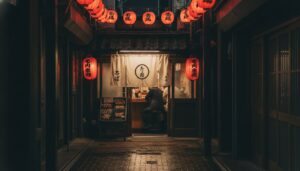

What if you could experience the soul of Japanese home cooking on a single tray, perfectly portioned to fuel your day without the heavy post-lunch slump? Finding an authentic teishoku restaurant is often the highlight of a traveler’s journey, as it offers a genuine window into the daily rhythm of life in Japan. We know the feeling of standing outside a local eatery, peering at a kanji-heavy menu and wondering if you’ll accidentally order way too much or break a hidden rule of etiquette. It’s a common worry for many of our guests, but we’re here to help you move past the tourist traps and dine with total ease.
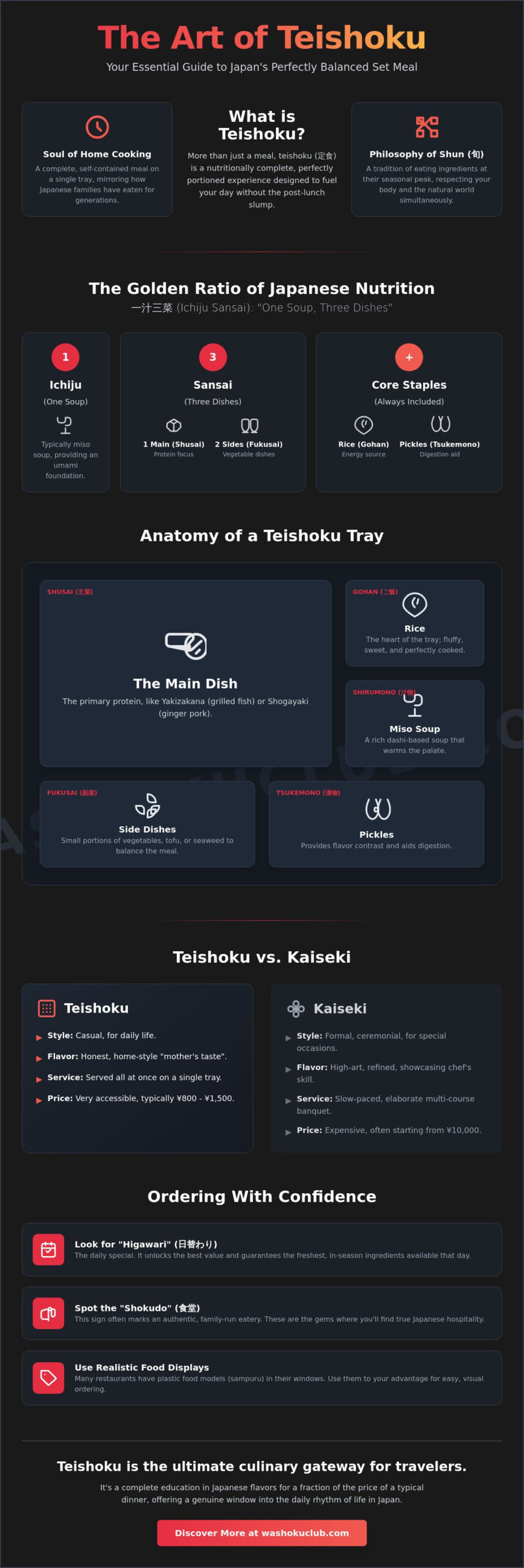
In this guide, we’ll show you how to master the art of teishoku dining by understanding the nutritional philosophy of Ichiju Sansai, which translates to “one soup, three dishes.” You’ll learn how to spot quality ingredients and what to expect to pay; whether you’re at a budget-friendly chain for under 1,000 yen or a specialized local shop for 1,500 yen. We’ll also share our secrets for finding those family-run gems that keep the heart of Japanese hospitality alive. You’ll gain the confidence to walk into any neighborhood shokudo and enjoy a meal that’s as balanced as it is delicious.
Key Takeaways
- Learn the ancient “Ichiju Sansai” balance that transforms a single meal into a nutritionally complete and satisfying masterpiece.
- Discover how to spot an authentic teishoku restaurant by identifying traditional shokudo signs and using realistic food displays to your advantage.
- Master the “Higawari” daily special system to unlock the best value and freshest seasonal ingredients available each day.
- Gain the confidence to navigate kanji-heavy menus and local dining etiquette so you can eat comfortably in any neighborhood eatery.
- Understand why these perfectly portioned sets offer a complete education in Japanese flavors for a fraction of the price of a typical dinner.
What is Teishoku? Understanding the Art of the Set Meal
Stepping inside a neighborhood teishoku restaurant feels like finding a quiet sanctuary amidst the neon glow of Japan’s busy streets. You are greeted by the comforting aroma of toasted sesame and simmering dashi, a scent that signals you’ve found something truly authentic. At its most basic level, teishoku is a pre-set meal served entirely on a single tray. It is designed to be a complete, self-contained universe of flavor. We often call it the “soul food” of the Japanese household because it mirrors the way families have eaten for generations. Unlike fast food, which prioritizes speed, teishoku focuses on Shun, the beautiful tradition of eating ingredients at their seasonal peak. It’s a meal that respects your body and the natural world simultaneously.
The Philosophy of Ichiju-issai
The roots of your tray go back much further than the modern restaurant. This style of eating evolved from Ichiju-issai, which translates to “one soup, one side.” Originally practiced in Zen temples as a way to maintain health and mindfulness, this minimalist foundation eventually blossomed into the diverse sets we enjoy today. The focus is always on a perfect equilibrium between carbohydrates from fluffy white rice, high-quality protein, and the essential probiotics found in fermented miso and pickles. It’s a thoughtful approach to dining that leaves you feeling energized rather than heavy. Ichiju-issai serves as the golden ratio of Japanese nutrition, ensuring every vital food group is represented without excess.
This focus on nutritional balance and sustained energy is a core principle of Japanese wellness. For those seeking to maintain this harmony on the go, you can explore The Original Protein Matcha Latte as a functional way to enjoy high-quality protein and traditional green tea benefits.
Teishoku vs. Kaiseki: What is the Difference?
You might wonder how these sets differ from the elaborate multi-course banquets you see in travel documentaries. While Japanese cuisine is famous for the high-art of Kaiseki, teishoku belongs to the people. Kaiseki is formal, expensive, and often follows a strict, slow-paced ceremony. In contrast, teishoku is casual and designed for daily life. It is incredibly accessible for travelers, with most sets priced between ¥800 and ¥1,500, making it a far better value than a standard burger combo. The flavors here are rooted in ofukuro no aji, or “mother’s taste,” emphasizing the kind of honest, home-style cooking that makes you feel like a welcomed guest in a local home. It is the bridge between the high-end culinary world and the vibrant, everyday reality of Japan’s food culture.
Whether you’re grabbing a quick lunch in a bustling city or enjoying a slow dinner in a quiet coastal town, the teishoku tray remains a constant. It’s a reliable promise of quality and balance. When you choose a teishoku restaurant, you aren’t just buying a meal; you’re participating in a culinary tradition that has sustained the health and happiness of the Japanese people for centuries. It’s an invitation to slow down, appreciate the craft of the chef, and savor the distinct textures of a perfectly curated tray.
The Anatomy of a Teishoku Tray: More Than Just a Meal
When your tray arrives at a teishoku restaurant, the first thing you’ll notice is the visual harmony. It feels less like a single order and more like a personal banquet curated just for you. This meticulous presentation isn’t just for show; it’s a reflection of Omotenashi, the deep-rooted Japanese spirit of hospitality. Every element, from the steam rising off the rice to the vibrant colors of the pickles, is chosen to create a complete sensory experience. The chef selects high-quality Shokuzai (ingredients) that balance texture, temperature, and taste, ensuring that no two bites feel exactly the same. The deliberate placement of each dish follows a traditional logic that guides your appetite through the meal.
The Four Pillars: Rice, Soup, Main, and Pickles
- Rice (Gohan): This is the heart of the tray. A quality establishment takes immense pride in its rice, often sourcing specific grains from renowned regions. It should be fluffy, slightly sweet, and served in a bowl that fits perfectly in your palm.
- Miso Soup (Shirumono): This provides the essential umami foundation. Made with a rich dashi stock, it warms the palate and prepares you for the heavier flavors of the main dish. For a deeper look at these components, this Guide to Eating Teishoku offers a wonderful breakdown of what to expect.
- The Main (Shusai): This is your primary protein. You’ll often choose between yakizakana (salt-grilled fish), shogayaki (ginger pork), or perhaps a crispy tonkatsu. It’s the star of the show, but it never outshines the supporting cast.
- Pickles (Tsukemono): Often overlooked by visitors, these brightly colored vegetables are vital. They act as a sharp palate cleanser and a natural digestive aid, cutting through the richness of the main dish with a refreshing crunch.
The ‘Hidden’ Elements: Kobachi and Seasonings
Beyond the pillars, you will find the Kobachi. These are small side bowls filled with seasonal treasures. You might find ohitashi (blanched greens in dashi) or kinpira gobo (braised burdock root). These tiny portions provide the nutritional variety that makes teishoku so famously healthy. To wash it all down, a cup of hot green tea or roasted houjicha is almost always included, rounding out the meal with a clean finish. If you want to see these traditional trays prepared in the heart of old Tokyo, our Asakusa Food Tour is the perfect way to discover hidden neighborhood gems. The beauty of the teishoku tray lies in these small details; it’s a testament to the idea that even a daily meal deserves respect and artistry.
How to Find an Authentic Teishoku Restaurant Anywhere in Japan
Finding an authentic teishoku restaurant anywhere in Japan is a skill that turns a standard trip into a true culinary adventure. You don’t need a specific list of addresses if you know how to read the street like a local. We always suggest looking where the office workers gather during their lunch breaks. Often, the most rewarding spots aren’t on the ground floor. You’ll find them tucked away in basement levels (B1F) of office buildings or nestled inside busy train station corridors. If you see a line of locals waiting patiently, you’ve likely found a winner. Another dead giveaway is the sampuru, those remarkably realistic plastic food displays in the window. They aren’t just for show; they tell you exactly what’s on the tray and how much you’ll pay, usually between ¥800 and ¥1,500.
Reading the Exterior: Signs and Symbols
To spot these gems, you should memorize two sets of kanji: 定食 (Teishoku) for “set meal” and 食堂 (Shokudo) for “dining hall.” When you see these characters on a wooden sign or a fluttering noren (entrance curtain), you’re in the right place. The noren itself tells a story. If it’s clean and hanging straight, it shows the owners take immense pride in their shop’s presentation. A simple, well-kept exterior often signals a focus on quality over flash. Understanding the tray’s cultural and historical significance helps you appreciate why even the smallest, most unassuming doorway can lead to a world-class meal. It’s about the heritage of the people inside, not the brightness of the neon lights outside.
Chains vs. Independent Eateries
If you’re feeling a bit nervous, there’s no shame in starting with reliable national chains like Ootoya or Yayoi Ken. They offer touch-screen menus, often in English, and serve high-quality sets for under ¥1,000. They’re a great way to practice the flow of the meal. However, we encourage you to adopt the “Washoku Club” mindset and seek out independent, family-run shops. These are often “Mama-san” or “Papa-san” establishments where the same family has been perfecting their ginger pork or grilled mackerel for decades. These hidden gems found off the main thoroughfares offer a level of intimacy you won’t find in a chain. Walking into a local teishoku restaurant like this makes you part of the neighborhood for an hour. You’ll hear the clinking of dishes and the warm “Irasshaimase!” that makes you feel like a welcomed guest rather than just another customer.
Ordering with Confidence: Deciphering Menus and Etiquette
Entering a teishoku restaurant shouldn’t feel like taking an exam. We understand that a wall of kanji can be intimidating, but there are simple tricks to ensure you get a delicious meal every time. Look for the word 日替わり (Higawari). This is the daily special. It is almost always the best value on the menu, often featuring the freshest catch or seasonal harvest the chef found at the market that morning. If you’re struggling to find the main protein, look for the largest characters on the menu; the set is usually named after its star ingredient. Whether it’s grilled mackerel or crispy tonkatsu, the protein is the anchor of your tray.
The ‘Point and Order’ Strategy
If the menu remains a mystery, don’t be afraid to use the “point and order” method. Many shops have photos or those realistic plastic models we mentioned earlier. You can simply point and say, “Osusume wa nan desu ka?” to ask for the chef’s recommendation. Also, keep an ear out for the word “O-kawari.” In many local spots, a second helping of rice or miso soup is either free or costs a small ¥100 fee. It’s a great way to ensure you leave perfectly satisfied. To practice these phrases and master the local dining scene, we invite you to join our Shibuya Food Tour, where we’ll help you order with total ease.
Teishoku Etiquette: The Dos and Don’ts
Once your tray arrives at your neighborhood teishoku restaurant, the arrangement matters. Traditionally, the rice bowl sits on your left and the miso soup on your right. This isn’t just a suggestion; it’s a cultural standard rooted in history. When you’re ready to eat, clasp your hands and say “Itadakimasu” to show gratitude for the ingredients. One unique habit to try is sankaku tabe, or triangle eating. Instead of finishing one dish at a time, you rotate between the rice, the soup, and the sides. This allows the flavors to mingle and ensures you don’t run out of rice before the savory main dish is gone.
Never leave your chopsticks standing upright in your rice bowl, as this resembles a funeral rite. When you encounter lids on your soup or side dishes, place them face-up on the tray or table so they don’t leave a ring. Finally, end your meal with a sincere “Gochisousama-deshita.” This simple phrase honors the chef’s hard work and the people behind the food, perfectly closing the circle of Japanese hospitality. These small gestures show respect for the culture and make the experience much more meaningful for both you and the staff.
Why Teishoku is the Ultimate Culinary Gateway for Travelers
Choosing a teishoku restaurant is the single best way to dive into the heart of Japanese life without feeling lost. In one sitting, you receive a complete education in the country’s culinary soul, from the earthy depth of miso to the delicate, vinegary crunch of seasonal pickles. It is a meal that prioritizes your well-being over sheer volume. While many tourists flock to expensive specialty shops, the humble teishoku tray offers incredible value for your yen. You can enjoy a perfectly balanced, chef-prepared meal for ¥800 to ¥1,500. That’s roughly the same price as a standard burger combo, but the experience is infinitely more rewarding. It’s a warm invitation to look beyond the famous neon lights and taste the “everyday” Japan that locals truly cherish.
A Microcosm of Japanese Culture
This meal is a beautiful reflection of Wa, or harmony. Every bowl on the tray is positioned to show a profound respect for nature, using whatever is freshest in the current season. When you step into a local teishoku restaurant, you aren’t just eating food; you’re connecting with the artisans and families who have spent decades perfecting these recipes. This style of dining is the perfect “first meal” for any visitor because it introduces you to the essential building blocks of Japanese cuisine in a manageable, non-intimidating way. It builds your confidence and sets a high standard for everything else you’ll eat on your journey through the islands.
Join the Club: Discover Hidden Local Eateries
We know that the most authentic spots are often the hardest to find. They don’t always have English signs, and they rarely show up on the first page of a global search. Our guided tours take the guesswork out of your trip, leading you straight to the hidden gems that only locals know. When you walk with a Passionate Local Guide, the menu anxiety disappears instantly. We’ll translate the nuances, explain the history of the specific dishes on your tray, and ensure you feel like a welcomed guest in every neighborhood shop. Book a food tour with Washoku Club to experience authentic Japanese dining firsthand! We can’t wait to share a tray with you and show you why this simple set meal is the true heart of Washoku culture.
Take Your Seat at the Local Table
The teishoku tray is much more than just a convenient meal; it’s a beautifully orchestrated microcosm of Japanese culture that nourishes both the body and the spirit. By mastering the balance of Ichiju Sansai and learning to spot the humble signs of a neighborhood shokudo, you’ve unlocked a deeper level of travel. You now have the confidence to step into any teishoku restaurant across the country, knowing that a nutritious, seasonal banquet awaits you for a fair price. It’s these quiet moments of connection with the food and the people behind the counter that truly define a journey through Japan.
We’ve been sharing these secret spots through our expert-led tours since 2016, focusing on the off-the-beaten-path gems that most visitors walk right past. If you’re ready to move beyond the plate and immerse yourself in the stories of the families who keep these traditions alive, we’d love to welcome you as our guest. Discover the soul of Japanese food on a Washoku Club guided tour and let us introduce you to the authentic flavors you’ll never find in a guidebook. Your seat is waiting, and we can’t wait to share the table with you!
Frequently Asked Questions
Is teishoku healthy for daily consumption?
Yes, teishoku is one of the healthiest ways to eat daily because it follows the Ichiju Sansai philosophy. This traditional structure ensures you get a perfect balance of fiber, protein, and fermented foods without the risk of overeating. By rotating through different seasonal side dishes, you receive a wide spectrum of nutrients that keep your energy levels steady. It’s the reason why so many locals rely on their neighborhood teishoku restaurant for a wholesome, home-cooked feel.
Can I get refills on rice or miso soup at a teishoku restaurant?
You can often get refills on rice or miso soup by looking for the word “O-kawari” on the menu. In many neighborhood eateries, the first refill is free, while others might charge a small fee of around ¥100. It’s a generous tradition that ensures no guest leaves the table hungry. If you aren’t sure about the policy, just ask the staff “O-kawari wa dekimasu ka?” and they will be happy to assist you.
What is the average price for a teishoku set meal in Japan?
The average price for a set meal typically ranges from ¥800 to ¥1,500 depending on the location and the quality of ingredients used. Budget-friendly national chains often provide satisfying sets for under ¥1,000, making them excellent for a quick, reliable lunch. If you visit a specialized or locally popular shop, you might pay closer to ¥2,000 for premium ingredients like high-grade wagyu or rare seasonal fish. This remains one of the best values in Japan.
Are there vegetarian or vegan teishoku options available?
Finding strictly vegetarian or vegan options can be challenging because traditional dashi soup stock almost always contains bonito fish flakes. While the main dish might be vegetables, the hidden seasonings often include animal products. However, some modern, health-focused cafes in major cities now offer plant-based sets. We recommend checking menus carefully or asking about dashi specifically if you have strict dietary requirements, as traditional spots rarely offer these modifications without prior notice.
What is the difference between teishoku and a bento box?
The primary difference is the setting and the presentation of the meal. A teishoku is a set meal served on a tray for immediate consumption inside a restaurant, featuring hot soup and freshly cooked dishes. A bento is a portable meal packed into a box, designed to be eaten cold or reheated later while you are on the move. While they share similar nutritional components, the teishoku restaurant experience is about sitting down to enjoy a moment of genuine hospitality.
Do I need to make a reservation for a teishoku restaurant?
You generally do not need a reservation for a standard teishoku restaurant as they are casual, high-turnover establishments. Most office workers and locals simply walk in, enjoy their meal, and head back to their day. If you are visiting a very famous specialty shop with limited seating, there might be a short wait at the door during peak lunch hours between 12:00 and 13:00. Reservations are typically only expected for high-end or multi-course dining experiences. If you’re looking for a more specialized and interactive meal, such as an authentic Japanese dinner at Leoka Teppanyaki, making a reservation online is the best way to secure your experience.
Is it okay to eat teishoku for breakfast?
It is absolutely okay to eat teishoku for breakfast, and it is actually a deeply traditional way to start your morning. A classic Japanese breakfast set usually includes grilled fish, a bowl of rice, miso soup, a raw egg, and fermented soybeans called natto. Many hotels and early-morning diners serve these sets to provide a balanced energy boost. It’s a wonderful way to ground yourself before a long day of exploring local markets or historical shrines.
How do I know if the daily special (higawari) is a good deal?
The daily special, or higawari, is almost always the best value because it features whatever was freshest and most affordable at the market that morning. Chefs use these specials to showcase seasonal ingredients at their absolute peak flavor. If you see a handwritten sign or a prominent display for the higawari, it is a sign that the kitchen is particularly proud of those ingredients. It is a reliable way to eat like a local while saving a few yen.