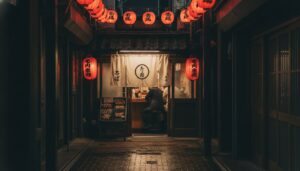
Kyoto japan is one of the easiest cities in the world to look forward to eating in-and one of the hardest to choose from once you arrive. The city has the third most Michelin stars in the world, yet some of the most memorable restaurants in kyoto are budget-friendly ramen counters, market stalls, coffee shops, and family-run bars. This guide focuses on concrete, useful places to eat: ramen, sushi, nishiki market snacks, cafés, izakayas, and kaiseki cuisine.
These recommendations come from Washoku Club food tour specialists who guide travelers through Kyoto, Osaka, and Tokyo. If you are short on time, jump straight to Kyoto Station, Nishiki Market, or kaiseki. Halal-conscious travelers, families, and first-time visitors will also find notes on atmosphere, reservations, price, and non-Japanese speaker friendliness.
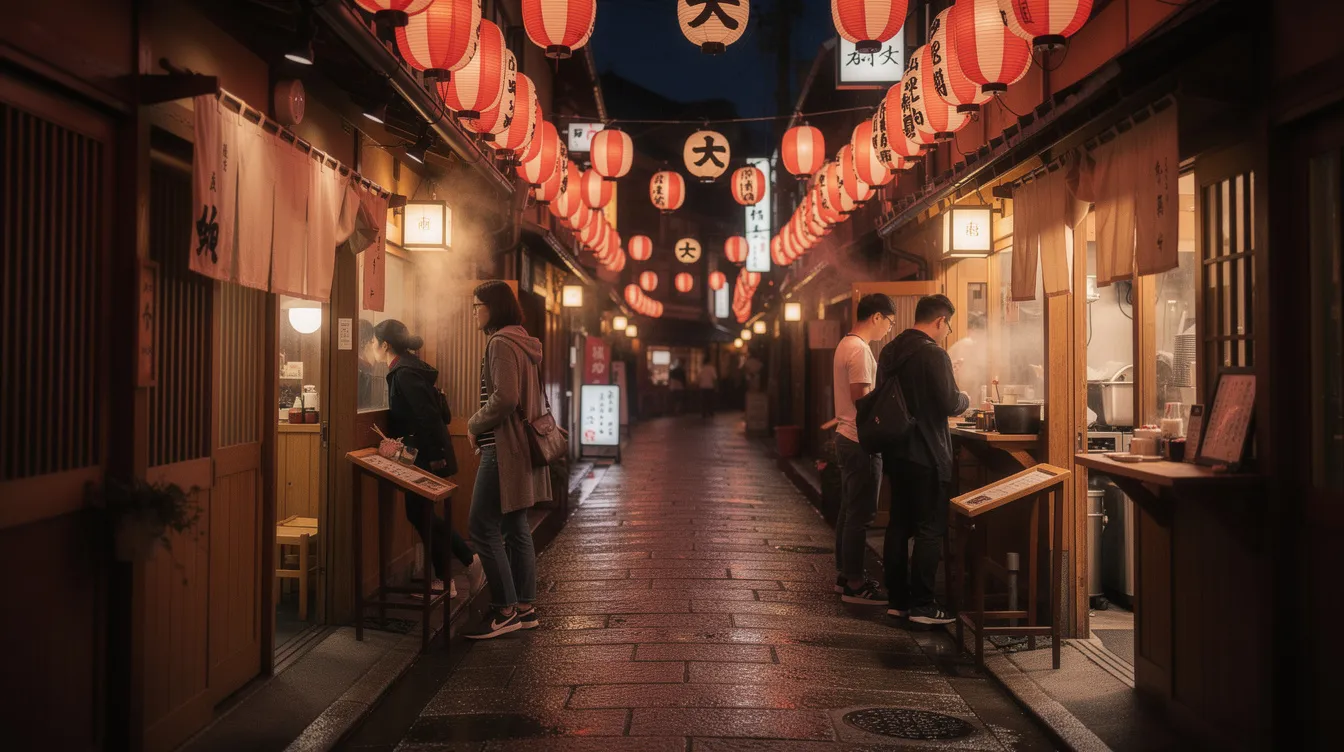
How to Navigate Restaurants in Kyoto (Before You Sit Down)
Kyoto’s restaurant scene can be confusing at first: a small restaurant with no English sign may serve an unforgettable meal, while a famous place on google maps may have a long wait and mixed service. A few basics will help you avoid the common mistakes of visiting kyoto hungry and unsure where to go.
In japan, Tabelog is often more useful than only checking TripAdvisor or google maps. By japanese standards, a Tabelog score around 3.0 can be normal, while 3.5+ is usually a strong signal that locals take the food seriously.
Before you sit down, keep these points in mind:
-
Reservations matter. Many of the best restaurants in Kyoto accept bookings 1–3 months ahead, especially kaiseki, sushi counters, and popular dinner spots. Some still require phone calls or help from a hotel concierge.
-
Budget by category. Ramen usually costs ¥900–¥1,500, a casual izakaya dinner is often ¥3,000–¥5,000 per person without premium sake, and kaiseki lunch usually starts around ¥10,000.
-
Be on time. Kyoto restaurants are often small, and arriving late can disrupt the chef and the table schedule. Avoid last-minute cancellations.
-
Bring cash. Credit cards are more common than before, but cash-only spots still exist. Around kyoto station, IC cards help with transport and convenience stores, but not every ramen shop accepts them.
-
Speak softly. In compact dining rooms, locals usually keep their voice low.
Ramen is a noodle soup that has become one of the most popular Japanese dishes, typically consisting of wheat noodles served in a variety of broths flavored with miso, soy sauce, salt, or pork bones. It is also one of the easiest first meals after a train ride.
If you want a stress-free first night, a Washoku Club guided food tour is a simple way to learn ordering phrases, dining customs, and what not to do before exploring independently.
Best Restaurants Around Kyoto Station: First‑Night Friendly Spots
Kyoto Station is the main gateway for shinkansen travelers, and the surrounding shimogyo ward area is full of good food for your first meal in the city. It is not the most atmospheric part of kyoto, but it is practical, late-opening, and convenient when you have luggage or a hotel nearby.
Honke Daiichi-Asahi is the classic ramen restaurant near kyoto station. Open since 1947, this ramen shop is famous for Kyoto-style shoyu ramen made with a savory pork-based broth, straight noodles, chashu, bean sprouts, and plenty of green onions. A regular bowl is usually around ¥940, special ramen is roughly ¥1,100–¥1,200, and there are often people waiting outside. Bring cash because it is commonly treated as a cash-first or cash-only policy by travelers, and timing matters: early lunch or late dinner is easier than peak hours.
Men-ya Inoichi, in Shimogyo, is more refined. It is known for clear shoyu and shio broths, careful toppings, and side dishes such as grilled wagyu over rice. The ticket or return-time system helps manage the wait, but you should still expect a short while during busy periods.
Donguri’s Kyoto Station branch is useful for groups and families. It serves okonomiyaki, yakisoba, and teppan dishes in a lively room where guests cook or watch staff cook at the table, and it also has a family-friendly menu for children. Casual dining options in Kyoto often include family-friendly restaurants that cater to children with special menus and engaging dining experiences, and this kind of teppan meal is a good example.
Suba is a quick standing soba option not far from kyoto station. Order a warm bowl with rich dashi, meat, and onsen egg if you want something fast but satisfying. Casual dining in Kyoto is characterized by a mix of traditional Japanese cuisine and international options, providing a diverse range of quick meal choices for families—so it is not strange to see soba, curry with your choice of spice level, pizza, and pasta all within walking distance of the station.
Many casual dining spots in Kyoto offer customizable meals, allowing diners to choose their spice levels and portion sizes, making it suitable for various preferences. Picture menus and ticket machines make these places easier for non-Japanese speakers, although a japanese friend or guide can help you discover the quieter counters tourists often miss.
Nishiki Market and Downtown Kyoto: Street Food and Casual Lunches
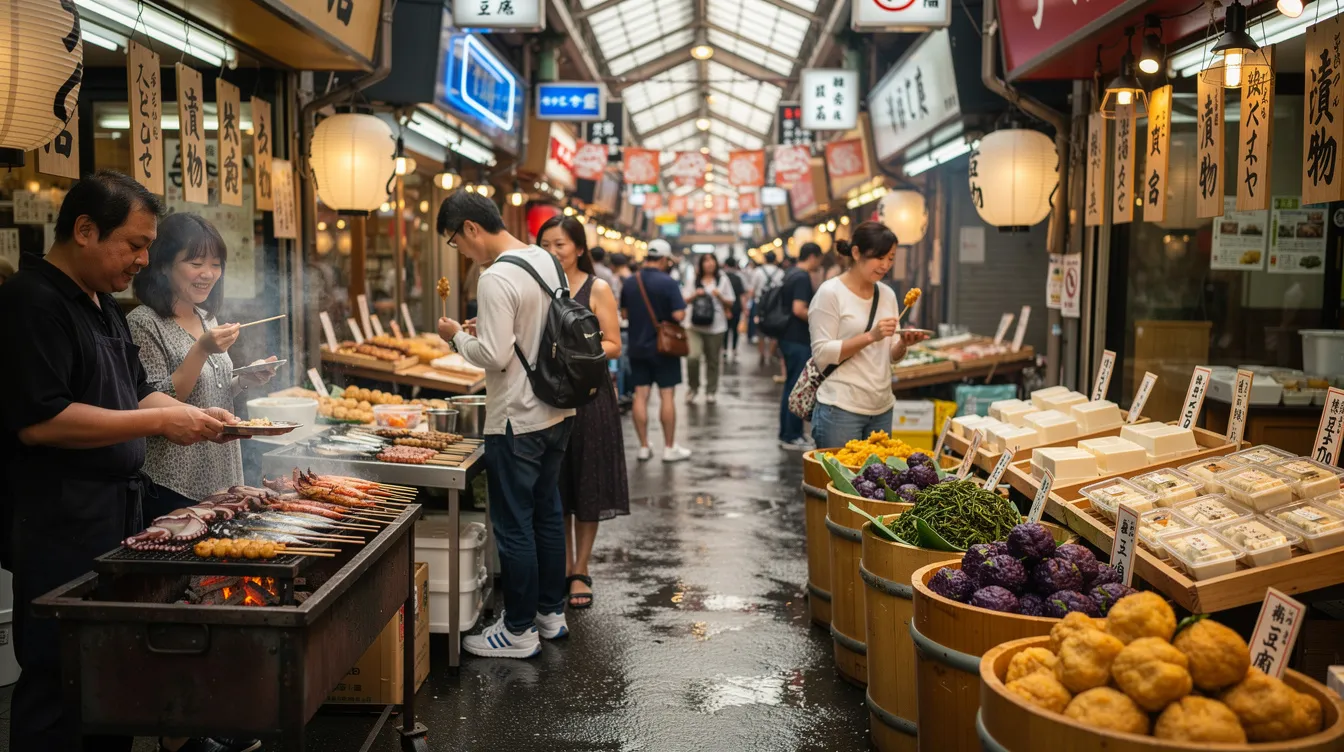
Nishiki Market, often referred to as “Kyoto’s kitchen”, is a 5-block covered market featuring over a hundred shops and food stalls that offer a wide range of local food products and street food. Nishiki Market operates daily from 9 AM to 6 PM, making it a convenient destination for tourists looking to explore Kyoto’s culinary offerings.
Nishiki Market, often referred to as “Kyoto’s kitchen”, features over a hundred shops and food stalls offering a wide range of local specialties. Plan 1.5–2 hours here, ideally mid-morning before the tight arcade becomes too crowded, especially if you have looked forward to visiting it.
Try:
-
Fresh seafood skewers, including scallops and grilled fish
-
Tsukemono, Kyoto pickles made with cucumber, eggplant, daikon, and shiso
-
Dashimaki tamago, a soft rolled omelet
-
Local tofu and yuba, helped by Kyoto’s exceptionally pure groundwater, which results in world-class tofu
-
Uji matcha sweets, including soft-serve, parfaits, and fresh fruit drinks
-
Freshly grilled yakitori, panko-fried prawns, and unique snacks like giant imitation crab sticks
After snacking, sit down nearby in nakagyo ward for lunch. Ebisugawa Gyoza Nakajima is a casual choice for pan-fried and deep-fried gyoza, with a punk-diner feel and shared plates. D&Department Shokudo, inside a calm temple courtyard, is better for a quiet meal with a broader lunch menu, plus udon, rice bowls, soft-serve, and design-focused surroundings.
Kyoto’s culinary scene heavily emphasizes history, seasonal ingredients, and Zen Buddhist traditions. You will see that even in market foods: tofu, pickles, tea sweets, and vegetable dishes all connect to older kyoto cuisine. Kyoto also features traditional, comforting side dishes known as Obanzai, which are native to Kyoto homes and often appear in small lunch sets.
A Washoku Club morning market tour can make the market more meaningful by explaining ingredients, helping you avoid a wrong order, and showing why something simple can taste absolutely delicious.
Top Sushi and Seafood in Kyoto: From Musashi Sushi to Unagi Specialists
Kyoto is inland, so its seafood culture developed differently from coastal cities. Kyoto has developed a unique style of saba-zushi, or pressed mackerel sushi, rather than raw slices, due to its landlocked geography. Still, the city has excellent sushi, from budget kaitenzushi to refined counters.
Sushi is an iconic Japanese dish made of vinegared rice topped with raw fish and other seafood, and it can vary in price depending on the location, with cheaper options available at kaitenzushi, or conveyor belt sushi, restaurants.
Musashi Sushi is a Kyoto-only conveyor-belt chain and an easy choice for travelers. It offers pressed oshizushi and standard sushi plates, usually at approachable per-plate prices. The Sanjo area location is convenient for central sightseeing and families.
Kura Sushi is more playful. It has tablet ordering, low-cost plates, and small prize games, so children often enjoy it. It is chain-style rather than artisanal, but the visual ordering system removes stress.
Okuniya Manbei Unagi in nakagyo ward is a traditional family-run unagi specialist. The lunch set is around ¥7,000, seating is limited to about 12, and phone reservations are strongly recommended.
For seafood in a formal meal, restaurants such as Hyotei and Kikunoi use seasonal fish and shellfish within multi-course kaiseki. Book months ahead for top names.
When should you splurge on sushi in Kyoto? If you love counter service and local styles like saba-zushi, do it. If your dream is ultra-premium tuna, you may save part of that budget for Tokyo or a coastal city, then use Kyoto for tofu, vegetables, kaiseki, and sake.
Kyoto’s Coffee and Dessert Scene: From Weekenders Coffee to Kakigori
Modern kyoto is not only temples and tatami rooms. Its coffee scene is serious, and café-hopping has become a core part of a food itinerary.
Weekenders Coffee in nakagyo ward is hidden behind a parking area, with minimal seating and a quiet garden-like feel. It is known for careful pour overs, washed Kenyan beans, and a peaceful rhythm that feels far from the crowds.
Walden Woods Kyoto near kyoto station is an all-white minimalist café with an upstairs loft. Order hand-drip coffee, vanilla canelés, or espresso soft-serve for a sweet stop before walking back toward your hotel.
Café Momoharu is a cozy breakfast option with in-house roasted beans. The fluffy egg sando and French toast are ideal before temple visits.
Tea and Sake Tasuki Shinpuhkan, near Ace Hotel, is best for kakigori. The Strawberry Daifuku shaved ice comes with mochi, syrup, and cookie crumbs, which is especially welcome in Kyoto’s humid summers.
If you enjoy specialty coffee, combine Weekenders, Tarel, and Blue Bottle into a self-guided walk. If you want context and a sweet selection chosen for you, Washoku Club can build an afternoon route around coffee, wagashi, matcha, and seasonal dessert.
Best Izakayas and Sake Bars: Nightlife in Gion and Along the Kamo River
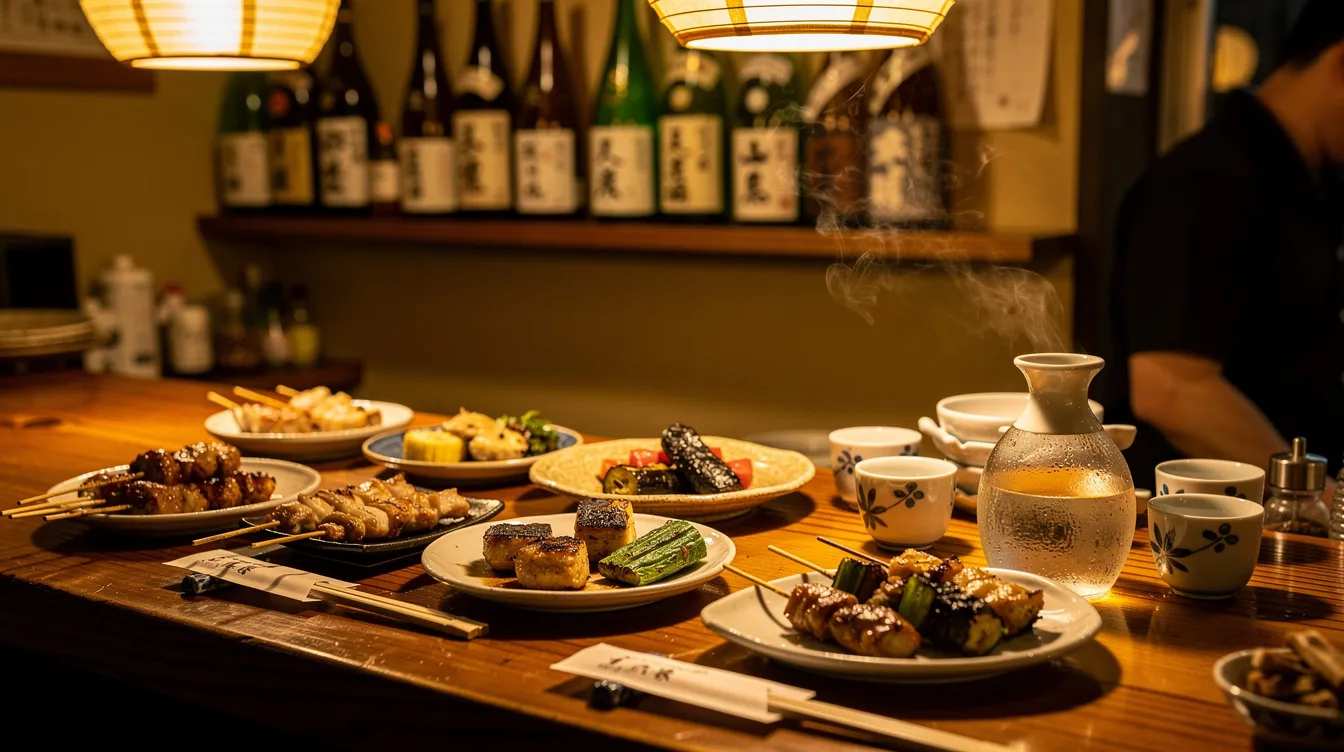
Izakayas and sake bars are the most atmospheric way to experience Kyoto at night. Gion, Pontocho Alley, and the kamo river area are full of narrow doorways, counter seats, and small plates. You may not have a bad meal if you follow the crowds, but the better choice is to arrive early and know what each place does well.
Gion Kappa is lively, affordable, and popular with locals and visitors. Expect kushiyaki, kushiage, and small dishes from a broad food menu rather than only a la carte menus. Go around opening time to avoid a long wait.
Wadachi, near Gion Kappa and literally steps from the Gion nightlife corridor, is comfortable for foreigners and good for sake. Try chicken karaage or duck marinated in white miso. If a set includes miso soup, taste how the broth supports the rest of the meal rather than dominating it.
Ibushigin Kazuya near the kamo river is more theatrical. Dishes may include sashimi under glass cloches or smoked tuna jerky grilled tableside, making the meal feel like a small performance.
Soya in shimogyo ward is modern and energetic, known for tonpeiyaki, karaage, fruit shochu sours, and potato salad. For some guests, that potato salad becomes the favorite dish of the night.
Washoku Club’s Kyoto Night Foodie Tour moves through Gion and Pontocho with English-speaking guides, mixing traditional izakayas and contemporary sake bars so you can eat and drink confidently.
Kaiseki and Fine Dining: Experiencing Kyoto’s Four Seasons on a Plate
Kaiseki is Kyoto’s signature multi-course meal and one of the most refined forms of japanese cuisine. Kaiseki cuisine is recognized as the pinnacle of Japanese cuisine, and Kyoto is considered the birthplace of this traditional multi-course meal. Kyoto is renowned for its kaiseki dining experiences, which emphasize seasonal ingredients and meticulous presentation.
Kaiseki meals typically consist of multiple courses that highlight the natural flavors of seasonal ingredients, often served in a visually appealing manner. The structure may include raw, grilled, simmered, steamed, and rice courses, each designed around the four seasons.
Historic names include Hyotei, Kikunoi, and Nakamura, and Hyotei and Kikunoi are two restaurants many experienced diners prioritize. Lunch at top venues can run from around ¥20,000, and dinner can reach ¥30,000–¥45,000 or more. Reservations are strict, especially during cherry blossom and autumn foliage seasons.
Mid-range options can be more approachable. Gion Suetomo lunches may be around ¥12,000, while some Kikunoi-related lunch options can be under ¥20,000 depending on the course and season.
Seasonal ingredients may include:
-
Spring bamboo shoots
-
Summer ayu
-
Autumn matsutake
-
Winter crab
Fine-dining etiquette is simple but important: arrive on time, dress smart-casual, ask before taking photos, and tell the restaurant in advance about no pork, no alcohol, allergies, or vegetarian needs. Tempura is a popular Japanese dish consisting of prawns, vegetables, and other seafood that are coated in a cold batter and deep-fried, typically served with a tentsuyu dipping sauce made from dashi, mirin, soy sauce, and grated daikon radish; in kaiseki, even tempura may appear in a delicate seasonal form.
If full kaiseki feels too formal for your first visit, a Washoku Club seasonal tasting tour can introduce kaiseki techniques in a relaxed format.
Family‑Friendly, Solo‑Friendly, and Halal‑Conscious Dining Tips
Many Washoku Club guests are families, solo travelers, or Muslim and halal-conscious visitors. Kyoto is welcoming, but planning matters because pork, alcohol, and fish-based dashi can appear where you do not expect them.
For families, kaitenzushi such as musashi sushi and Kura Sushi are easy. Gyoza shops, ramen counters, and casual teppan restaurants also work because menus are visual and a little noise is acceptable.
Solo diners are normal in Kyoto. Men-ya Inoichi, Honke Daiichi-Asahi, and Weekenders Coffee all have counter or compact seating where eating alone feels natural.
For halal-conscious travelers:
-
Choose seafood, vegetarian, or halal-certified restaurants when possible.
-
Be careful with ramen, because many broths use pork bones.
-
Ask about mirin, sake, and dashi.
-
Consider Honolu Premier Kyoto Horikawa Gojo for halal ramen, udon, A5 beef, and even wagyu ramen.
-
Salman & Sohel Halal Kitchen in kamigyo ward is useful for fully halal Indian, Middle Eastern, and Turkish food.
For vegetarian travelers, temple cuisine and tofu restaurants are strong choices, but always confirm dashi. Shigetsu in Arashiyama is fully plant-based shojin ryori, while some restaurants in higashiyama ward can adapt with notice.
Washoku Club tours can often be customized for halal-friendly, no-alcohol, allergy-sensitive, or family-friendly routes. For strict halal, gluten-free, shellfish allergies, or complex needs, pre-communication is essential.
Planning Your Foodie Itinerary in Kyoto Japan
A good Kyoto food plan follows your sightseeing rather than fighting it. Eat near kyoto station on arrival, use nishiki market for a late morning wander, save Gion or Pontocho for dinner, and place coffee stops between temples. Over 2–3 days, mix quick meals, one market visit, one izakaya night, and one special lunch or dinner.
Here is a simple route:
|
Day |
Plan |
|---|---|
|
Day 1 |
Arrive at kyoto station, eat ramen at Honke Daiichi-Asahi, have coffee at Walden Woods, then do an izakaya crawl in Gion with stops like Gion Kappa or Wadachi. |
|
Day 2 |
Breakfast at Café Momoharu, morning at nishiki market, lunch at D&Department Shokudo, coffee at weekenders coffee, and unagi dinner at Okuniya Manbei. |
|
Day 3 |
Visit Fushimi Inari, Kiyomizu-dera, or Arashiyama, then end with kaiseki or yakiniku such as Yakiniku Yamachan. |
Book at least one guided experience early in the trip. A Washoku Club night tour or market walk gives you practical knowledge you can reuse later, from how to order sake to which side dishes pair with rice.
Before finalizing anything, check opening days, reservation rules, and seasonal closures. This matters most during Golden Week, New Year, cherry blossom season, and autumn foliage.
If you want a hands-on alternative to restaurant hopping, add a cooking class to understand how dashi, rice, knife work, and plating shape japanese cuisine.
About Washoku Club and How We Choose Restaurants in Kyoto
Washoku Club is a culinary tour company offering food walks, full-day city and food tours, and family-friendly outings in Kyoto, Osaka, and Tokyo. Our guides help travelers find great restaurants, hidden neighborhood counters, and local dishes that rarely appear in English search results.
We choose restaurants based on consistent quality, cleanliness, welcoming service for international guests, and respect for local food traditions. We do not accept payment from featured restaurants for inclusion. Our routes are shaped by repeated visits, guest feedback, and on-the-ground research.
Some tours combine well-known areas like nishiki market or kyoto station ramen with quieter neighborhood spots. That is often where travelers find the dish they remember years later.
If you want a curated route, help with reservations, or a custom Kyoto foodie itinerary for families, couples, or small groups, Book Now through the Washoku Club website. Explore restaurants in Kyoto at your own pace, savor the four seasons of kyoto cuisine, and tell us what you loved after your trip.
FAQ About Restaurants in Kyoto Japan
What are the best restaurants near Kyoto Station for a first meal?
Honke Daiichi-Asahi is the classic first bowl if you want ramen, while Donguri is easier for groups wanting okonomiyaki and teppan food. Walden Woods Kyoto is a good nearby coffee stop if you arrive before lunch or need a reset after the train.
Is tipping expected in Kyoto restaurants?
No. Tipping is not expected in kyoto or elsewhere in japan, and staff may be confused if you leave money on the table. Good manners, punctuality, and saying thank you are enough.
Can I find vegetarian or halal-friendly options in Kyoto?
Yes, but you should plan ahead. Vegetarian travelers should watch for fish-based dashi, while halal-conscious travelers should ask about pork, alcohol, mirin, and shared cooking surfaces. Washoku Club can help pre-check restaurants for complex dietary needs.
How does Musashi Sushi and kaitenzushi etiquette work?
At musashi sushi and other kaitenzushi restaurants, take plates from the belt or order directly from the chef or tablet if available. Keep your empty plates stacked neatly because the bill is often calculated by plate count and plate color.
When should I book kaiseki, and when can I walk in?
For top kaiseki restaurants such as Hyotei, Kikunoi, and Nakamura, book 2–3 months ahead if possible. For mid-range restaurants, 1–2 weeks may be enough outside peak seasons, while ramen, casual sushi, cafés, and many bars are usually walk-in friendly.
Who should contact Washoku Club before choosing restaurants?
Contact Washoku Club if you are visiting during peak season, traveling with children, planning a proposal or anniversary dinner, or managing strict halal, gluten-free, shellfish, or allergy needs. A guide can bridge language gaps and