
Japanese restaurants are defined by freshness, balance, and careful presentation. Whether the meal is a $15 bowl of ramen or a multi-course kaiseki dinner, the best places pay close attention to fresh ingredients, temperature, texture, and timing.
A good Japanese restaurant is not just a place to eat sushi. It may be a ramen shop in Tokyo, an izakaya in New York, a yakiniku grill in Los Angeles, or a neighborhood spot serving bento, tempura, and donburi under one menu. Many Japanese restaurants specialize in just one type of food, while others offer a broader range of dishes.
Outside Japan, dishes often adapt to local tastes. California rolls, milder wasabi, local fish, and heavier sauces are common overseas. Still, the strongest Japanese restaurants preserve the techniques that matter: properly seasoned rice, clean knife work, balanced broth, and respect for the ingredient.
Here’s what you’ll learn:
-
The main types of Japanese restaurants
-
What to order at sushi, ramen, BBQ, and general Japanese spots
-
How to judge freshness and authenticity
-
Simple etiquette tips that make the experience smoother
-
The trends shaping Japanese dining in the mid-2020s
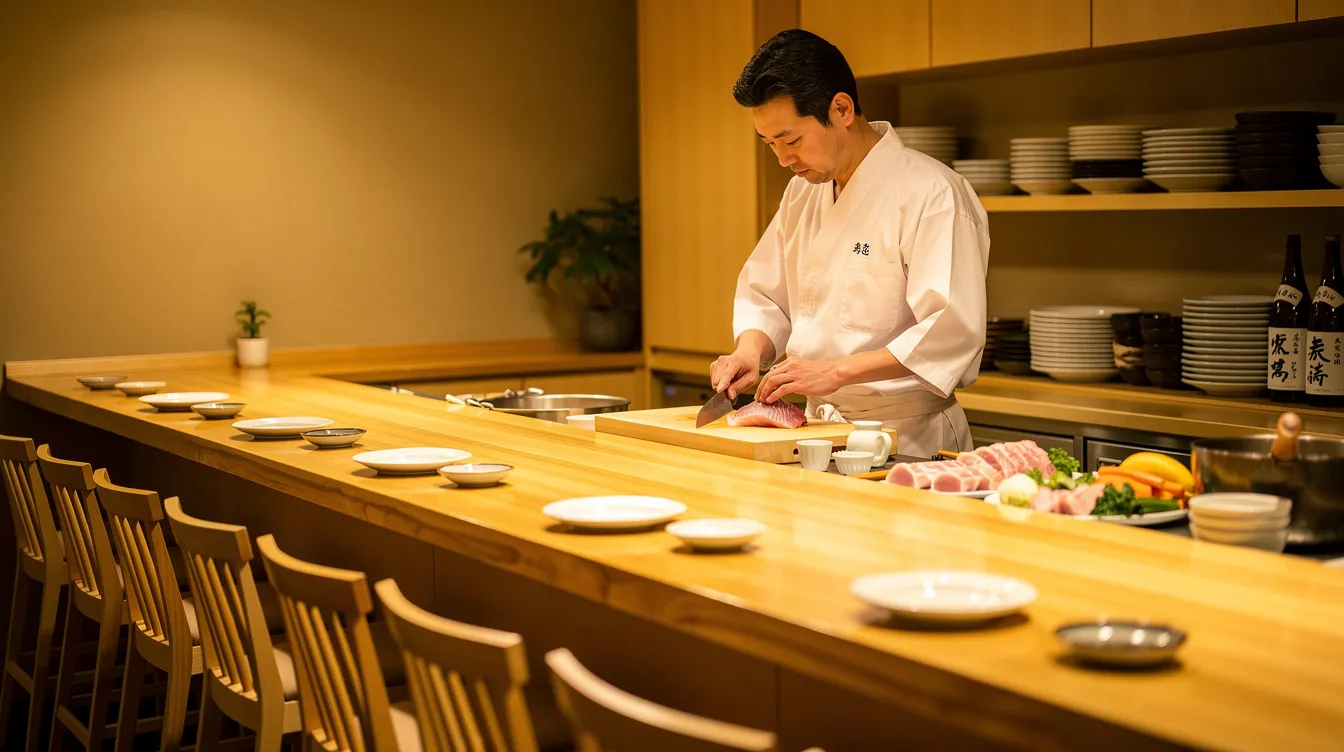
Introduction to Japanese Restaurants
Japanese restaurants are built around the idea that food should feel balanced. Flavor, aroma, color, texture, and presentation all matter. That is why a simple bowl of rice, a piece of sushi, or a clear dashi broth can feel complete when prepared correctly.
The best Japanese restaurants usually focus on fresh ingredients and restraint. Instead of hiding food under heavy sauces, skilled chefs highlight natural flavor with soy sauce, miso, vinegar, salt, seaweed, bonito, citrus, or charcoal grilling.
You’ll find many styles of Japanese restaurants in major food cities:
-
Sushi bars in Tokyo, New York, and Los Angeles
-
Ramen shops specializing in tonkotsu, shoyu, miso, or shio broth
-
Izakaya serving small plates and drinks in a social setting
-
Tempura counters, yakitori grills, unagi restaurants, and kaiseki dining rooms
Japanese restaurants outside Japan often use local ingredients. A sushi bar in London may use Scottish salmon, while a restaurant in California may combine Japanese methods with local vegetables. The key is whether the technique remains careful and consistent.
Specialized Japanese Restaurants
Japanese culinary tradition values mastery of a single style over a broad, catch-all menu. This is why many Japanese restaurants focus deeply on one dish or cooking method rather than trying to serve everything.
A skilled chef demonstrates precision, clean knife work, and respect for ingredients. In specialized Japanese restaurants, that precision becomes the main attraction.
Sushi-ya
Sushi-ya are sushi restaurants that focus mainly on nigiri, sashimi, and sometimes a small selection of rolls. High-quality sushi spots prioritize interaction at a direct chef-to-guest bar, where diners can watch each piece being prepared.
Omakase dining is a popular experience in Japanese restaurants, where the chef selects and prepares a series of dishes for the diners, showcasing seasonal ingredients and culinary skills. Top sushi restaurants rotate fish based on Japan’s micro-seasons, so the menu may change based on what is best that week, or even that day.
Look for details such as:
-
Rice served at the right temperature
-
Fish sliced cleanly and handled gently
-
Seasonal items like buri in winter or uni from specific regions
-
A short menu that suggests high turnover
Sushi rice must be served at body temperature, never cold or refrigerated. If the rice is hard, chilled, or bland, the sushi experience suffers even if the fish looks good.
Ramen-ya
Ramen-ya specialize in ramen, often with one broth style as the focus. Common examples include:
-
Hakata tonkotsu, a creamy pork-bone broth from Fukuoka
-
Sapporo miso, rich and hearty
-
Tokyo shoyu, soy-based and aromatic
-
Shio, a lighter salt-based ramen
A ramen shop may adjust noodle thickness, chew, broth fat, chashu pork, soft egg, menma, scallions, or seaweed to create its signature bowl. Some broths simmer for 12 to 24 hours to extract collagen and depth.
Ichiran, for example, became famous for tonkotsu ramen and solo dining booths, showing how specialized a ramen experience can become.
Tempura-ya
Tempura-ya focus on tempura courses. The cooking may look simple, but it depends on timing and control.
Important details include:
-
Ice-cold batter mixed lightly so it stays airy
-
Oil temperature controlled carefully
-
Seasonal vegetables and seafood fried one piece at a time
-
Immediate service so the coating stays crisp
Tempura may include shrimp, white fish, kabocha squash, lotus root, shiso, mushrooms, or sweet potato. In good tempura restaurants, the batter should be light rather than greasy.
Unagi-ya and yakitori-ya
Unagi-ya build the meal around freshwater eel. The eel may be served as kabayaki, grilled with tare sauce, or shirayaki, grilled without sauce to highlight the flavor of the fish.
Yakitori-ya focus on skewered chicken. A serious yakitori restaurant may serve thigh, breast, skin, liver, cartilage, heart, and tsukune meatballs. The chef may season each skewer with salt or tare depending on the cut.
Binchotan charcoal, careful spacing on the grill, and the order of service all affect the final result.
General Japanese Restaurants
General Japanese restaurants offer a broad menu in one place. You might find sushi rolls, ramen, teriyaki, tempura, katsu, udon, donburi, and bento on the same menu.
These venues are common in North America and Europe because they work well for families and groups. One person can order ramen, another can choose sushi, and someone else can get chicken teriyaki or a bento box.
Typical menu categories include:
-
Appetizers: edamame, gyoza, agedashi tofu, seaweed salad
-
Mains: katsu, donburi, udon, soba, teriyaki, grilled fish
-
Combo dishes: bento boxes, lunch specials, sushi-and-noodle sets
-
Sushi rolls: California rolls, cucumber maki, spicy tuna, salmon avocado
These restaurants are often casual and flexible. Some are family-friendly dining rooms, some are lunch spots near offices, and others are neighborhood eateries that do both dine-in and take-out.
General Japanese restaurants are good entry points if you are new to Japanese food. They usually offer familiar options alongside more traditional dishes, making it easier to explore without feeling overwhelmed.
Japanese Dining Experiences: Sushi, BBQ, and Ramen
Modern Japanese restaurants often highlight one flagship experience. The experience can shape the pace of the meal as much as the food itself.
A sushi counter is slow and deliberate. A ramen shop is quick and focused. A yakiniku restaurant is social and interactive.
Sushi experience
The sushi experience is often built around the counter. You sit close to the chef, watch the knife work, and receive pieces one by one.
In omakase, the chef controls the order. A meal may begin with lighter white fish, move into richer tuna or shellfish, and end with eel, egg, or hand rolls. Omakase dining is popular because it lets the chef showcase seasonal ingredients and technique without forcing the diner to make every decision.
Kaiseki dining is a traditional multi-course Japanese meal that emphasizes seasonal ingredients and presentation, often served in a serene and formal setting, enhancing the overall dining experience. Kaiseki is a traditional multi-course Japanese dinner that emphasizes seasonal ingredients and presentation, showcasing the culinary artistry of Japanese chefs.
Although sushi and kaiseki are different formats, both reward attention to seasonality, pacing, and presentation.
Japanese BBQ and yakiniku
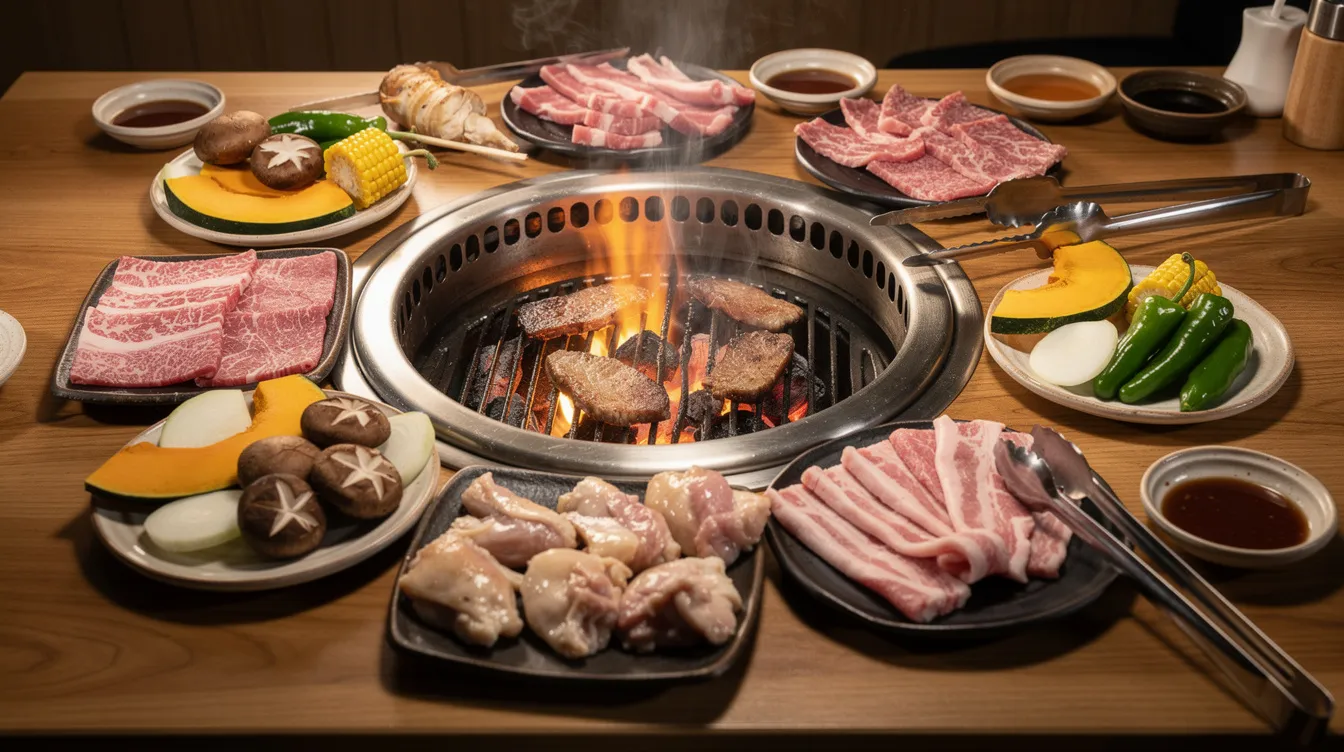
Yakiniku is Japanese BBQ. Diners grill meat and vegetables at the table, often sharing plates of beef, pork, chicken, seafood, mushrooms, onions, and peppers.
Communal dining is a common feature in many Japanese restaurants, particularly in izakayas and yakiniku establishments, where diners share dishes and enjoy a social dining atmosphere. This makes yakiniku a good choice for groups.
Seasonings may include:
-
Tare, a sweet soy-based sauce
-
Salt and lemon
-
Garlic, sesame, or miso marinades
-
Dipping sauces after grilling
In Arlington, Virginia, popular Japanese restaurants include Yume Sushi, known for its signature rolls and omakase-style dining, and Gyu-Kaku Japanese BBQ, which offers a communal dining experience.
Ramen dining
Ramen dining is usually fast and direct. You choose a bowl, customize toppings, eat while it is hot, and move on.
Common options include:
-
Shio ramen for a light, clean bowl
-
Shoyu ramen for soy-based depth
-
Miso ramen for a richer, savory taste
-
Tonkotsu ramen for creamy pork-bone broth
-
Vegan options using kombu, shiitake, sesame, or vegetable stock
Ramen shops live or die by broth quality and noodle texture. A good bowl should feel integrated: broth, noodles, fat, tare, toppings, and aroma all working together.
If you have limited time, ramen is often the easiest visit. If you want a slower, more personal meal, sushi omakase or kaiseki may be the better order.
Japanese Restaurants Around the World
Japanese cuisine spread widely from the 1980s onward, first through sushi and teriyaki, then through ramen, izakaya, Japanese BBQ, and fine dining. Today, major hubs include Los Angeles, New York, London, São Paulo, Sydney, and Paris.
Regional scenes often develop their own specialties:
-
California-style sushi rolls in the United States
-
Hawaiian poke bars influenced by sashimi
-
Brazilian temakerias focused on hand rolls
-
Ramen shops in cities far from Japan
-
Japanese BBQ chains and independent yakiniku restaurants
Cities like New York and Paris now host Michelin-starred kaiseki and sushi restaurants that import select seasonal fish directly from Japan. In New York, Sushi Noz is known for sourcing Japanese seafood and presenting a highly traditional sushi experience.
Local produce also plays a major role. Japanese restaurants may use fresh ingredients such as Scottish salmon, Mediterranean tuna, Australian beef, or Midwestern vegetables while applying Japanese techniques.
Availability has grown quickly since about 2010. Authentic ramen, izakaya, shabu shabu, and Japanese BBQ are now easier to find in mid-sized cities than they were a decade ago.
Salt Lake City has a vibrant Japanese community with a variety of restaurants offering ramen, shabu shabu, sushi, and traditional Japanese grills. From the east coast to the Mountain West, Japanese restaurants are no longer limited to only the largest coastal cities.
According to one 2026 location dataset, the United States has more than 23,000 Japanese restaurants, with especially high concentrations in California and Florida. That scale helps explain why Japanese dining now ranges from quick takeout to premium omakase counters.
How to Choose a Good Japanese Restaurant
Freshness, technique, and consistency are the three main criteria for choosing Japanese restaurants. The decor matters less than how the restaurant handles ingredients, timing, and service.
Cleanliness is non-negotiable for raw fish and delicate broths. If a place serves sashimi, sushi, or slow-simmered ramen, the dining room, counter, and open kitchen should feel clean and organized.
Here are practical ways to evaluate a restaurant before you book.
Check how the restaurant talks about fresh ingredients
Good Japanese restaurants are usually specific. Look for references to:
-
Daily fish deliveries
-
Seasonal menus
-
Made-to-order tempura
-
House-made broth
-
Specific rice, tea, beef, or fish origins
Short menus indicate fresh ingredients and high turnover. Busy restaurants usually mean a higher turnover of ingredients, ensuring freshness.
Look for menus that name specific prefectures or regions for their beef, tea, or fish. “Miyazaki wagyu,” “Hokkaido uni,” or “Uji matcha” tells you more than vague labels like “premium beef” or “special tea.”
Read the menu closely
A clear menu is a good sign. For ramen, the menu should name broth styles such as tonkotsu, shoyu, miso, or shio. For sushi, it should name fish types. For grilled food, it may name cuts, charcoal, or sauces.
Traditional Japanese dining avoids heavy sauces, cream cheese, or deep-fried batters. That does not mean every modern roll is bad, but if the entire menu depends on spicy mayo, fried toppings, and sweet sauce, the restaurant may be leaning more fusion than traditional.
Real wasabi is grated from a root and should not be a bright green, smooth powder paste. Many restaurants use horseradish-based paste instead, which is common, but a high-end sushi spot should be honest about what it serves.
Notice service and atmosphere
Authentic Japanese dining extends beyond the food to the service, emphasizing omotenashi. Omotenashi means thoughtful hospitality: noticing what guests need before they ask, pacing the meal correctly, and presenting dishes with care.
Traditional dining formats like Izakayas or Teppanyaki rely on open cooking spaces for transparency. A sushi counter, yakitori grill, or teppanyaki station lets you see the chef’s technique.
Authentic spaces lean toward clean wooden aesthetics and quiet backgrounds rather than flashy lighting. Meals should be served on ceramic, clay, or lacquerware specific to the dish, because vessels are part of the presentation.
Scan reviews for useful details
Do not rely only on star ratings. Look for reviews that mention:
-
Fish quality
-
Rice texture and temperature
-
Broth depth
-
Noodle chew
-
Cleanliness
-
Wait times
-
Consistency across several visits
Generic praise like “great food” is less useful than a review that says the sushi rice was warm, the saba tasted fresh, or the tonkotsu broth was rich but not greasy.
Popular Dishes and What to Order First
If you are new to Japanese restaurants, start with familiar dishes and then branch out. Japanese cuisine includes a variety of specialized dishes such as ramen, sushi, shabu shabu (hot pot), and tempura, each with unique preparation methods and ingredients.
Sushi options for beginners
Start with mild, approachable choices:
-
Salmon nigiri
-
Tuna roll
-
Cucumber maki
-
California roll
-
Shrimp nigiri
-
Tamago, a sweet Japanese omelet
Then try more traditional options:
-
Saba, or marinated mackerel
-
Ika, or squid
-
Hotate, or scallop
-
Uni, or sea urchin
-
Anago, or saltwater eel
If you are sitting at the counter, ask what is best today. In good sushi restaurants, the answer should depend on the season.
Ramen options for first-timers
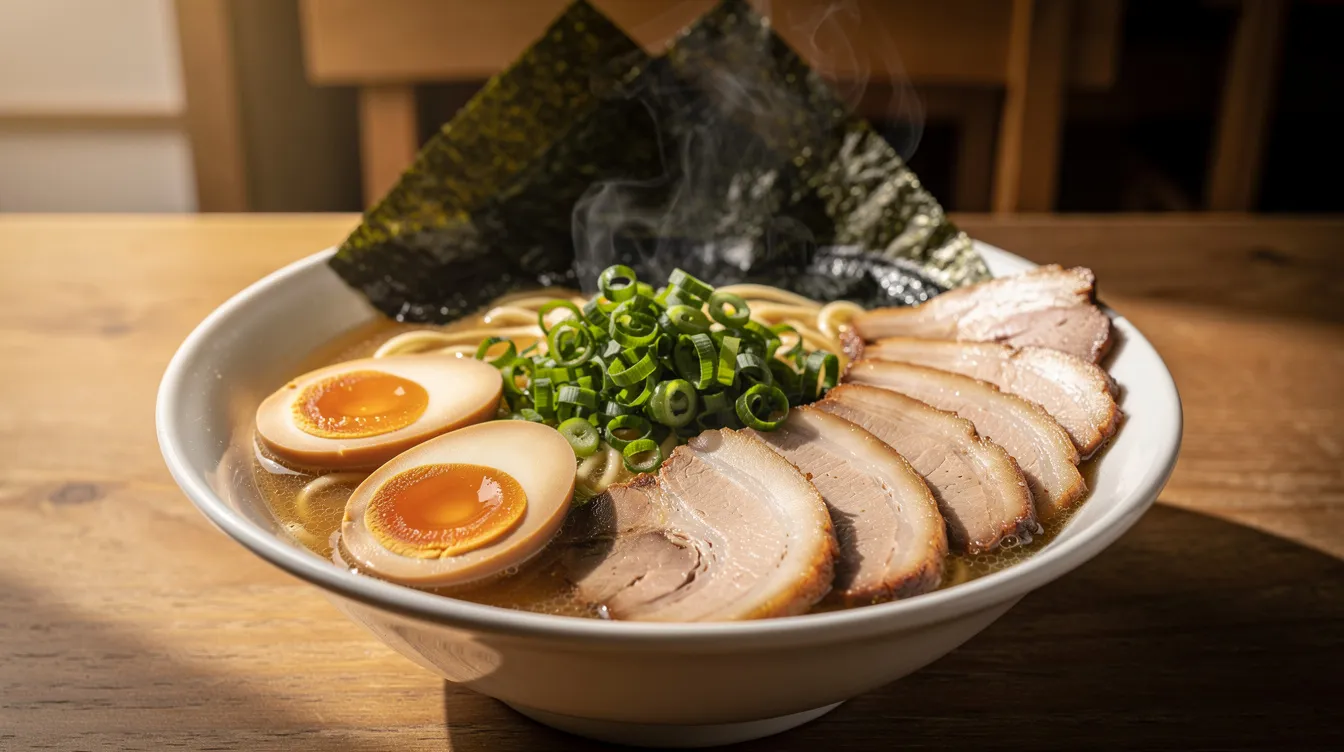
For ramen, choose based on how rich you want the bowl to be.
-
Shoyu ramen is balanced and easy to like.
-
Miso ramen is savory, warm, and hearty.
-
Tonkotsu ramen is rich, creamy, and pork-forward.
-
Shio ramen is lighter and more subtle.
-
Vegetarian ramen can be excellent when built on kombu, mushrooms, sesame, or roasted vegetables.
If you are unsure, shoyu or miso is usually the safest first order.
Sides and starters
Common starters include:
-
Miso soup made with dashi and soybean paste
-
Edamame
-
Seaweed salad
-
Gyoza
-
Agedashi tofu
-
Simple tempura using fresh vegetables
-
Tsukemono, or Japanese pickles
Daily specials are often worth asking about. They may feature in-season fish, mountain vegetables, limited-time regional recipes, or ingredients that are not listed on the regular menu.
Etiquette and Tips for Enjoying Japanese Restaurants
Simple etiquette can improve your dining experience without making the meal feel formal or intimidating. You do not need to know every custom, but a few habits show respect.
Chopstick etiquette
Avoid these common mistakes:
-
Do not stick chopsticks upright in rice.
-
Do not pass food chopstick-to-chopstick.
-
Do not point with chopsticks.
-
Do not rub disposable chopsticks together aggressively in a formal setting.
-
Use the opposite end of chopsticks, or serving utensils, when sharing dishes.
These rules matter because some chopstick actions resemble Japanese funeral customs.
Sushi etiquette
For sushi:
-
Eat nigiri in one or two bites.
-
Dip the fish side lightly into soy sauce, not the rice side.
-
Do not drown the sushi in soy sauce.
-
Understand that wasabi may already be between fish and rice.
-
Use fingers or chopsticks depending on the setting.
If the chef has already seasoned a piece with sauce, salt, citrus, or nikiri soy, eat it as served.
Ramen etiquette
For ramen:
-
Taste the broth first.
-
Slurp the noodles if you want; it is acceptable in Japanese culture.
-
Eat while the bowl is hot.
-
Use chopsticks for noodles and toppings.
-
Use the spoon for broth.
Ramen is not designed for slow dining. The noodles soften as they sit, so the best experience happens right away.
Reservations and seating
High-end sushi, kaiseki, and small counter restaurants often require reservations. Some omakase restaurants have only a handful of seats, so booking ahead is essential.
Counter seating is ideal when you want to watch the chef and ask questions. Table seating is better for groups, families, izakayas, shabu shabu, and yakiniku.
Izakaya are casual Japanese pubs that serve a variety of small dishes and drinks, offering a relaxed dining experience that contrasts with more formal dining options like kaiseki.
A simple compliment like “oishii,” meaning delicious, is appreciated. In Japan, tipping is not customary. Overseas, follow local tipping norms.
Future Trends in Japanese Restaurants
Japanese restaurants are evolving quickly in the mid-2020s. The biggest changes involve sourcing, technology, plant-forward cooking, delivery, and deeper interest in regional Japanese cuisines.
Sustainable sourcing
Sustainability is becoming a serious priority. More Japanese restaurants are paying attention to traceable seafood, local farm partnerships, reduced waste, and responsible sourcing while still maintaining fresh ingredients.
In 2025, major Japanese seafood companies formed the Japan Responsible Seafood Roundtable to improve procurement standards, traceability, and human rights due diligence in seafood supply chains.
For diners, this means more menus may start naming fish origin, harvest method, farms, and suppliers.
Plant-forward Japanese menus
Plant-forward options are growing. Expect to see more:
-
Vegetable-based ramen broths
-
Tofu-focused izakaya dishes
-
Mushroom yakitori-style skewers
-
Vegan sushi with seasonal produce
-
Plant-based unagi alternatives
-
Shojin ryori-inspired tasting menus
This trend fits Japanese cuisine well because seaweed, soybeans, mushrooms, rice, pickles, sesame, and seasonal vegetables are already central to the tradition.
Casual and delivery-focused formats
Japanese restaurants are also becoming more flexible. Common formats include:
-
Standing sushi bars
-
Take-out bento