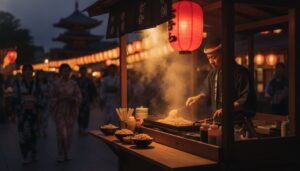

What if the most authentic flavors of Tokyo aren’t found in the neon-lit centers of Shibuya or Shinjuku? You’ve likely felt that sting of disappointment when a famous market feels more like a theme park than a local treasure. It’s exhausting to fight through crowds only to find overpriced snacks designed for Instagram rather than your palate. We understand that feeling of being overwhelmed by the commercialized side of the city. Our sunamachi ginza street food guide is here to help you step away from the tourist traps and into the nostalgic soul of Tokyo.
We promise to show you how to discover the affordable, family-run stalls that define the “shitamachi” or downtown vibe. You’ll learn how to navigate this 670-meter long street with ease, finding incredible soul food like ¥100 yakitori and steaming oden without the stress of a language barrier. We’ll preview the best hidden gems among the 150 shops, explain the history behind the friendly local faces, and ensure your afternoon of grazing is as delicious as it is authentic. Welcome to the side of Tokyo that most visitors never see.
Key Takeaways
- Discover the true meaning of “shitamachi” by exploring a historic shopping street that remains a peaceful sanctuary away from Tokyo’s crowded tourist hubs.
- Master the art of grazing with our curated list of sunamachi ginza street food, featuring local legends like savory Shapin pancakes and traditional fishcake oden.
- Learn how to stretch your budget further in this residential district where high-quality, authentic snacks often cost as little as ¥100.
- Navigate the neighborhood with confidence by mastering local bus routes and understanding the essential etiquette for enjoying your treats respectfully.
- Connect with the heart of Japanese hospitality by hearing the stories of the families who’ve run these stalls for generations.
The Spirit of Shitamachi: Why Sunamachi Ginza is Tokyo’s Best Kept Secret
When you step into Sunamachi Ginza, you aren’t just walking down a street; you’re stepping back into the heart of Tokyo’s historic “Shitamachi.” While the glittering skyscrapers of Shinjuku grab the headlines, this neighborhood preserves the soul of the craftsmen and merchant class that built the city. Unlike the “over-tourism” currently transforming places like Tsukiji into crowded galleries, Sunamachi remains a local sanctuary. It’s a place where the air smells of simmering dashi and roasted tea, inviting you to slow down and savor the moment. This is the essence of Tokyo’s traditional ‘shotengai’, a community-focused shopping street where everyone knows your name and your favorite snack.
To better understand this vibrant community spirit and see the stalls in action, watch this helpful video tour:
The History of the Sunamachi Ginza Shotengai
The resilience of this 670-meter stretch is nothing short of legendary. Born from the post-war era, these family-owned businesses survived the rapid modernization of the late 20th century by sticking to what they do best: providing high-quality, honest food for their neighbors. Locals affectionately call it “The Kitchen of the East” because it’s where families have gathered their daily meals for generations. As your passionate local guide, we take pride in sharing the human stories behind these storefronts. It’s one thing to eat a skewer; it’s another to know that the grandmother serving you has been using the same secret sauce recipe since the 1950s. In 2026, this blend of Showa-era nostalgia and bustling modern life offers a sensory experience you simply won’t find in a shopping mall, making sunamachi ginza street food a true culinary time capsule.
Sunamachi vs. The ‘Other’ Ginza
Don’t let the name fool you. While the famous Ginza district is synonymous with luxury boutiques and expensive sushi dinners, Sunamachi Ginza is its humble, welcoming cousin. The word “Ginza” was often adopted by local shopping streets across Japan to signify a bustling center of commerce, but the similarities end there. Here, the draw is the “Baka-ne” prices, a term meaning “stupidly cheap” that locals use with a grin. You can feast on incredible sunamachi ginza street food for a fraction of what you’d spend elsewhere, with many snacks still priced around ¥100. If you’re looking for other historic areas with deep cultural roots, you might also enjoy our Asakusa Food Tour guide, though Sunamachi offers a much quieter, more intimate glimpse into daily Tokyo life.
Ready to explore more? You can check out our full range of authentic Tokyo food tours to find your next favorite hidden gem.
The Sunamachi Ginza Street Food Roundup: 10 Essential Bites
Welcome to the most delicious 670 meters in Tokyo. Walking through this neighborhood is a sensory journey where every few steps reveal a new aroma, from the smoky char of grilled chicken to the sweet scent of steaming mochi. While some guides just give you a list of prices, we want you to understand the craft and heart behind these flavors. This is where the locals eat, and the quality of sunamachi ginza street food reflects decades of family tradition.
Savory Soul Food: The Heavy Hitters
Start your journey with a Shapin. This savory, Chinese-style pancake is a local legend for a reason. It’s crispy on the outside and packed with juicy meat and onions, offering a satisfying crunch that defines the area’s approachable food culture. Next, you must visit Masuei Kamaboko for their Oden. Their masterclass in traditional dashi results in fishcakes that are light, airy, and deeply savory. Most pieces cost around ¥100, making it easy to sample a wide variety without breaking your budget. To help you plan your route, here are the essential savory bites to look for:
- Shapin: The legendary meat-filled pancake.
- Masuei Kamaboko Oden: Fishcakes simmered in master-stock dashi.
- Yakitori Skewers: Classic chicken grilled over open flames.
- Maguro Katsu: Crispy tuna cutlets from local fishmongers.
- Kurikara: Specialized eel skewers at Unakuri 5.
- Tempura Kakiage: Fresh, crunchy vegetable clusters.
- Inari Sushi: Sweet and savory deep-fried tofu pockets.
You’ll quickly notice that Sunamachi is a true Yakitori paradise. There are more chicken skewers per meter here than almost anywhere else in the city. For something unique, seek out the Maguro Katsu. These crispy, golden tuna cutlets are a secret of the local fishmongers, offering a fresh alternative to standard pork katsu. Unlike the mass-produced versions you find in convenience stores, the Inari Sushi here features tofu pockets simmered slowly in a rich, sweet soy broth. It’s a perfect example of why the official guide to Sunamachi Ginza highlights the area’s dedication to traditional tastes.
Sweet Treats: The Perfect Finish
No visit is complete without experiencing Iseya’s Mochi. In the world of Washoku, texture is everything. Their dango and mochi achieve that perfect “mochi-mochi” bounce that balances sweetness with a hint of toasted umami. If you’re visiting in the warmer months, seasonal shaved ice is a cooling tradition that locals adore. For a more sophisticated palate, try Amanatto. These candied beans represent a refined side of Japanese confectionery that has remained unchanged for decades. These final three items round out our top ten list:
- Iseya Mochi: Perfectly textured rice cakes.
- Seasonal Shaved Ice: A refreshing summer staple.
- Amanatto: Traditional candied beans.
If these flavors spark your curiosity, you might enjoy joining one of our authentic food tours to dive even deeper into Tokyo’s culinary secrets with a guide who knows every shopkeeper by name.
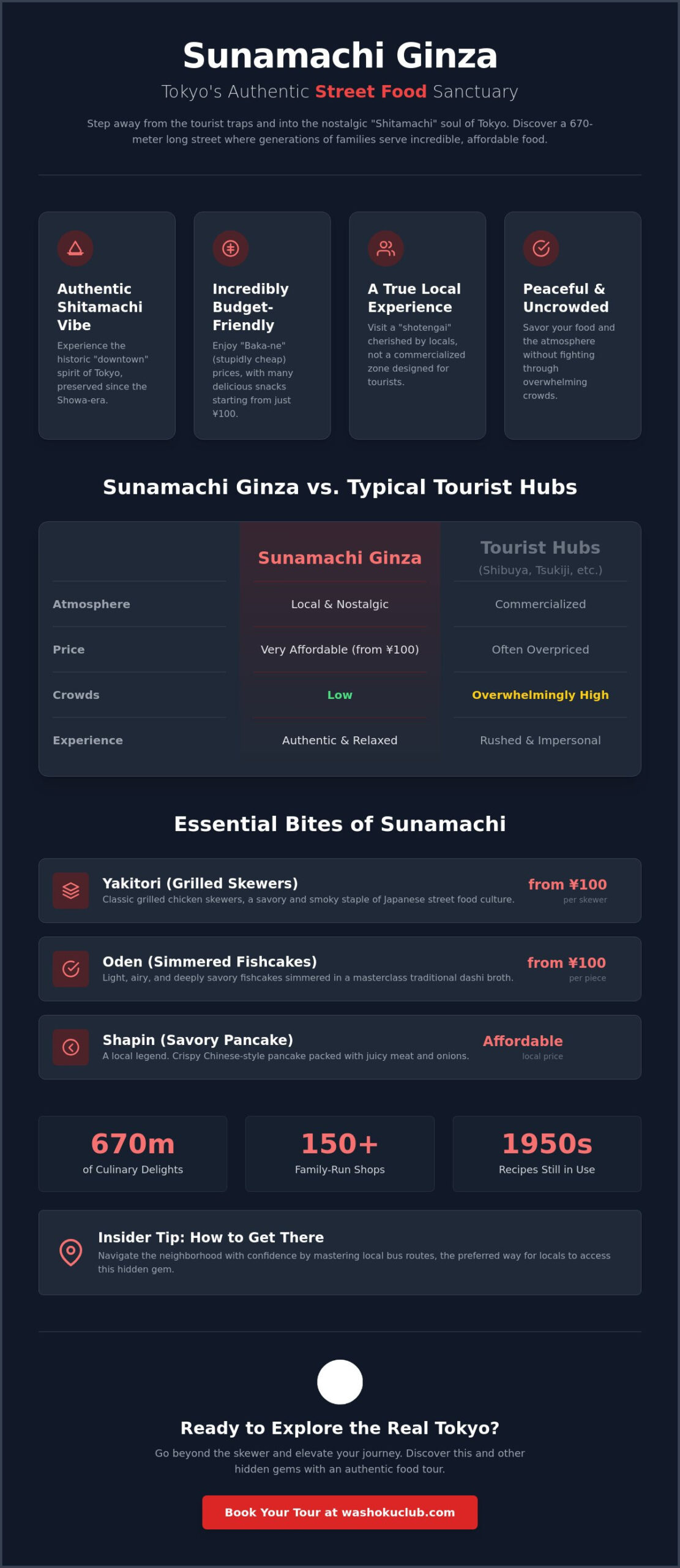
Comparing Tokyo’s Food Hubs: Why Choose Sunamachi Over Tsukiji?
Choosing where to spend your afternoon in a city as vast as Tokyo can feel like a daunting task. You’ve likely seen the viral videos of the Tsukiji Outer Market or the colorful snacks of Harajuku, but do those places truly capture the spirit of the city? When we compare these famous hubs to the experience of sunamachi ginza street food, the difference is clear. While Tsukiji is a high-energy stage for premium seafood, Sunamachi is a quiet, authentic glimpse into the daily lives of Tokyo residents. It’s the difference between being a spectator and being a welcomed guest.
The “Harajuku Hustle” often leaves travelers feeling drained, but the Sunamachi stroll is a masterclass in relaxation. In residential districts like this, your yen goes significantly further. While a single seafood skewer in Tsukiji might cost you ¥1,000 or more, here you’ll find local staples like oden or yakitori for as little as ¥100. You aren’t just eating for a photo; you’re eating for the palate. This is why the Official Tokyo Travel Guide to Sunamachi Ginza highlights its role as a sanctuary for those seeking a genuine “shitamachi” atmosphere.
Sunamachi Ginza vs. Tsukiji Outer Market
Tsukiji is undeniably the king of raw seafood variety, but Sunamachi excels in “Okazu” culture. This refers to the savory, prepared side dishes that accompany a traditional Japanese meal. This focus on cooked treats makes it an ideal destination for a Family-Friendly Tokyo Tour, as the options are often more approachable for younger travelers or those who prefer cooked proteins. The hospitality, or Omotenashi, feels different here too. In Tsukiji, the pace is transactional and fast. In Sunamachi, shopkeepers often take a moment to share a smile or explain a recipe, treating you like a neighbor rather than just another tourist.
Sunamachi Ginza vs. Harajuku Street Food
Harajuku is the home of trendy, “Kawaii” snacks designed to be seen, but Sunamachi remains dedicated to traditional Washoku staples. Instead of rainbow-colored crepes, you’ll find the deep, earthy sweetness of hand-pressed mochi and dango. The demographic shifts from the youth-driven energy of Takeshita Street to a warm “Grandma’s Kitchen” vibe. It’s a place where the history of the neighborhood is written in the steam rising from the shopfronts. While the commute to this eastern pocket of Tokyo takes a bit longer, the reward is a stress-free afternoon filled with flavors that haven’t been commercialized for the masses.
Insider Logistics: How to Navigate Sunamachi Like a Local
Navigating a local neighborhood requires more than just a map; it requires an understanding of the local rhythm. To find the best sunamachi ginza street food, you’ll want to embrace the bus system. While most travelers stick strictly to the train lines, catching a bus from Kinshicho or Toyocho stations is the true local way to reach this 670-meter stretch. It’s a short, scenic ride that drops you right at the entrance of the shopping street, sparing you a long walk and immersing you in the residential side of the city from the start.
Once you arrive, remember that the payment landscape in 2026 is a unique blend of old and new. While major hubs like Shibuya have moved toward digital payments, many of these cherished, family-run stalls still prefer cash. Carrying small bills and coins is essential. It’s much easier to pay for a ¥100 skewer with a coin than a credit card. If you’re lucky enough to visit on the 10th or 20th of the month, you’re in for a treat. These are the “Baka-ne” sale days, where “stupidly cheap” prices become even more unbelievable as shopkeepers offer special discounts to their loyal neighbors.
The Etiquette of the Shotengai
In Japan, the concept of “Tabearuki” or eating while walking is generally discouraged to keep the streets clean and respect the shared space. When you buy your sunamachi ginza street food, the polite thing to do is stand near the stall or in a designated side area to enjoy it. This also makes it much easier to return your wooden skewers or wrappers directly to the vendor, as public trash cans are notoriously rare. We also suggest asking “Shashin ii desu ka?” (Is a photo okay?) before snapping pictures of the shopkeepers or their displays. Most will be delighted to pose, but asking first honors the spirit of Japanese hospitality. Try using “Kore o kudasai” (This one, please) when ordering to see a warm smile in return.
Timing Your Visit for the Best Experience
The “Golden Hour” for food lovers is 3:00 PM. This is when all the stalls are in full swing and the freshest batches of Shapin and tempura are coming off the grill. Keep in mind that many shops take a break on Wednesdays, so plan your trip for a different day to avoid the disappointment of closed shutters. If you have a full afternoon, we recommend combining your visit with a stroll through the nearby Kiyosumi Shirakawa district. It’s famous for its traditional gardens and modern coffee culture, offering a perfect balance to the nostalgic “shitamachi” charm of the market. Feeling unsure about navigating the bus routes or the local etiquette on your own? You can book one of our authentic Tokyo food tours to explore these hidden gems with a guide who handles all the logistics for you.
Beyond the Skewer: Elevating Your Journey with Washoku Club
While you can certainly wander the street on your own, there is a profound difference between simply eating and truly experiencing the “Washoku” philosophy. We don’t just see a skewer as a snack; we see it as the culmination of decades of dedication by a local artisan. Our role as your passionate local guide is to bridge that gap between being a visitor and feeling like a member of the community. We help you understand why these specific flavors matter to the Japanese soul and how they’ve sustained this neighborhood for over seventy years. We believe that every bite of sunamachi ginza street food tells a story, and we’re here to help you read between the lines.
Rejecting the shiny, “Disney-fied” versions of Japanese markets is at the core of what we do. We’ve spent years building relationships with the families who run these stalls, ensuring that our guests only visit the most authentic spots. You won’t find any tourist traps on our route. Instead, we focus on the hidden gems where the “Umami” is deep and the history is even deeper. Our guides handle the language barrier entirely, allowing you to focus on the sensory experience of the smells, sounds, and stories that make sunamachi ginza street food so special. By joining us, you gain access to the following benefits:
- Deep cultural context: Learn the “why” behind every traditional recipe.
- Direct interaction: Meet the shopkeepers who have been serving the neighborhood for generations.
- Curated selection: Skip the guesswork and head straight to the highest quality stalls.
- Stress-free navigation: Let us handle the bus routes and local etiquette for you.
Our Sunamachi Ginza Food Tour Experience
Our tour is designed around small group intimacy. We want you to feel like a guest in a friend’s home, not just another number in a crowd. You’ll meet the artisans who have cooked here for decades, learning about their craft directly through our translation and storytelling. It’s about more than just filling your stomach; it’s about filling your heart with the spirit of Japanese hospitality. Ready to start your journey? You can book an authentic Japanese culinary adventure with Washoku Club today.
Join the Club of Food Lovers
We believe the best way to see a city is through its flavors, and we’re eager to share the secrets that typical guidebooks miss. Our tours are carefully curated to provide a balanced flow between educational content and pure, delicious enjoyment. Whether you’re a seasoned traveler or visiting Japan for the first time, our goal is to create memories that last long after the final bite. Explore our full range of Japan tours to find the perfect adventure for your next trip. We can’t wait to welcome you to the club.
Ready to Taste the Real Tokyo?
Your journey through Sunamachi Ginza is more than just a meal; it’s a bridge to a side of the city that many visitors never get to see. We’ve explored the smoky aromas of charcoal grilled yakitori and the delicate snap of a fresh Shapin pancake, all within a neighborhood that values community over commerce. By stepping away from the crowded, commercialized markets, you’ve chosen to embrace the authentic “shitamachi” spirit that defines the city’s true soul food. This is where the heartbeat of old Tokyo still thrums in every greeting and every carefully prepared bite.
Since 2016, we’ve dedicated ourselves to sharing these hidden gems with food lovers from around the world. Our expert led journeys focus on the people behind the storefronts, ensuring you experience the deep rooted hospitality that makes Japan so unique. We’re passionate about guiding you through the vibrant world of sunamachi ginza street food, where every skewer and sweet treat is a lesson in traditional craftsmanship. Are you ready to step off the beaten path and join a community of curious explorers? Book an authentic Japanese culinary adventure with Washoku Club and let us introduce you to the artisans and flavors you’ll never find in a guidebook. We can’t wait to share our favorite table with you.
Frequently Asked Questions
Is Sunamachi Ginza hard to get to from central Tokyo?
No, Sunamachi Ginza is quite accessible if you’re willing to take a short bus ride. From Kinshicho or Toyocho stations, several local buses will drop you right at the entrance of the shopping street in about 15 minutes. While it’s slightly further east than the major hubs, the journey offers a wonderful glimpse into the residential side of the city that most visitors miss.
What is the most famous food I must try at Sunamachi Ginza?
The legendary Shapin is the most iconic bite you’ll find along this 670-meter stretch. This savory, Chinese-style meat pancake is crispy on the outside and incredibly juicy on the inside. It’s a local favorite that perfectly represents the approachable nature of sunamachi ginza street food, and you’ll often see a small, friendly queue forming at the stall where it’s freshly grilled.
Are there vegetarian or vegan options at Sunamachi Ginza?
While the market is meat and seafood heavy, you can certainly find vegetarian treats like dango, mochi, and amanatto. Sweet potato snacks and certain vegetable tempuras are also available, though vegans should be cautious of dashi or egg used in batters. We suggest looking for the traditional confectionery shops where rice-based sweets are the star of the show.
Is Sunamachi Ginza cheaper than Tsukiji Market?
Yes, your budget will go much further here than at more tourist-centric hubs like Tsukiji. Since this is a residential district catering to local families, prices remain very affordable. You can find many delicious snacks, such as oden or yakitori skewers, for as little as ¥100 or ¥200. It’s a fantastic place to feast without the “tourist premium” found in central Tokyo.
When is the best time of day to visit Sunamachi Ginza for street food?
The ideal window for exploring is between 3:00 PM and 4:00 PM when the street is at its most vibrant. Most shops open around 10:00 AM or 11:00 AM, but the mid-afternoon “Golden Hour” is when the freshest batches of snacks are prepared for the evening rush. Keep in mind that many vendors close by 6:00 PM or 7:00 PM, so don’t arrive too late.
Do the vendors at Sunamachi Ginza accept credit cards?
Cash is still king at most of these traditional storefronts, so we recommend carrying plenty of Japanese Yen. While a few modern shops might accept IC cards like Suica, the smaller family-run stalls almost exclusively take cash. Having ¥100 coins and ¥1,000 bills ready will make your transactions much smoother and is appreciated by the elderly shopkeepers.
Can I eat while walking down the street in Sunamachi Ginza?
We recommend standing near the stall where you purchased your food instead of walking while you eat. This practice, known as “tabearuki,” is generally discouraged in Japan to keep the streets clean and avoid accidental spills. Most vendors have a small space nearby where you can enjoy your snack and easily return your skewers or wrappers directly to them.
Is a guided tour necessary for Sunamachi Ginza?
While you can explore independently, a guided sunamachi ginza street food tour offers a much deeper connection to the neighborhood. A local guide can help you navigate the language barrier, explain the “Washoku” philosophy behind the dishes, and introduce you to the shopkeepers. It’s the best way to ensure you don’t miss the hidden gems tucked away among the 150 different stalls.