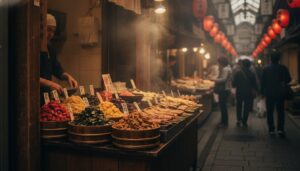

What if the most soul-stirring bite in Japan isn’t found at the front of a massive queue, but tucked away in a quiet alley where the steam smells of toasted sesame and history? We know how it feels to step onto a bustling pedestrian street and feel instantly overwhelmed by the sea of travelers and the dizzying array of bright signs. It’s natural to worry that you’re missing the real Japan or, worse, accidentally breaking a local custom while you’re just trying to enjoy a snack. At Washoku Club culture and food tours, we believe every meal should be a bridge to culture, not a source of stress.
We’ve crafted this 2026 guide to help you navigate authentic street food experiences like a seasoned local, ensuring every yen you spend supports authentic artisans rather than low-quality tourist traps. You’ll discover our handpicked favorites from legendary kibi dango to hidden savory skewers, and we’ll master the latest etiquette together so you feel like a welcomed guest. We’re going to show you exactly how to escape the crowds while still tasting the very best soul food this vibrant food scene has to offer.
Key Takeaways
- Learn how the historic pilgrimage culture of Senso-ji shaped the unique “Edo-mae” flavors that define asakusa street food today.
- Identify the must-eat Nakamise-dori icons, including the secret to finding the most authentic Ningyo-yaki and crispy Age-Manju.
- Explore the backstreets for “soul food” treasures like juicy minced meat cutlets and traditional pork buns that have remained unchanged for decades.
- Master the 2026 “Standing Rule” and trash disposal customs to dine respectfully and feel like a welcomed guest in the district.
- Discover why the most legendary family-run stalls often lack English signs and how a local guide helps you bridge that cultural gap.
The Evolution of Asakusa Street Food: From Edo Tradition to 2026
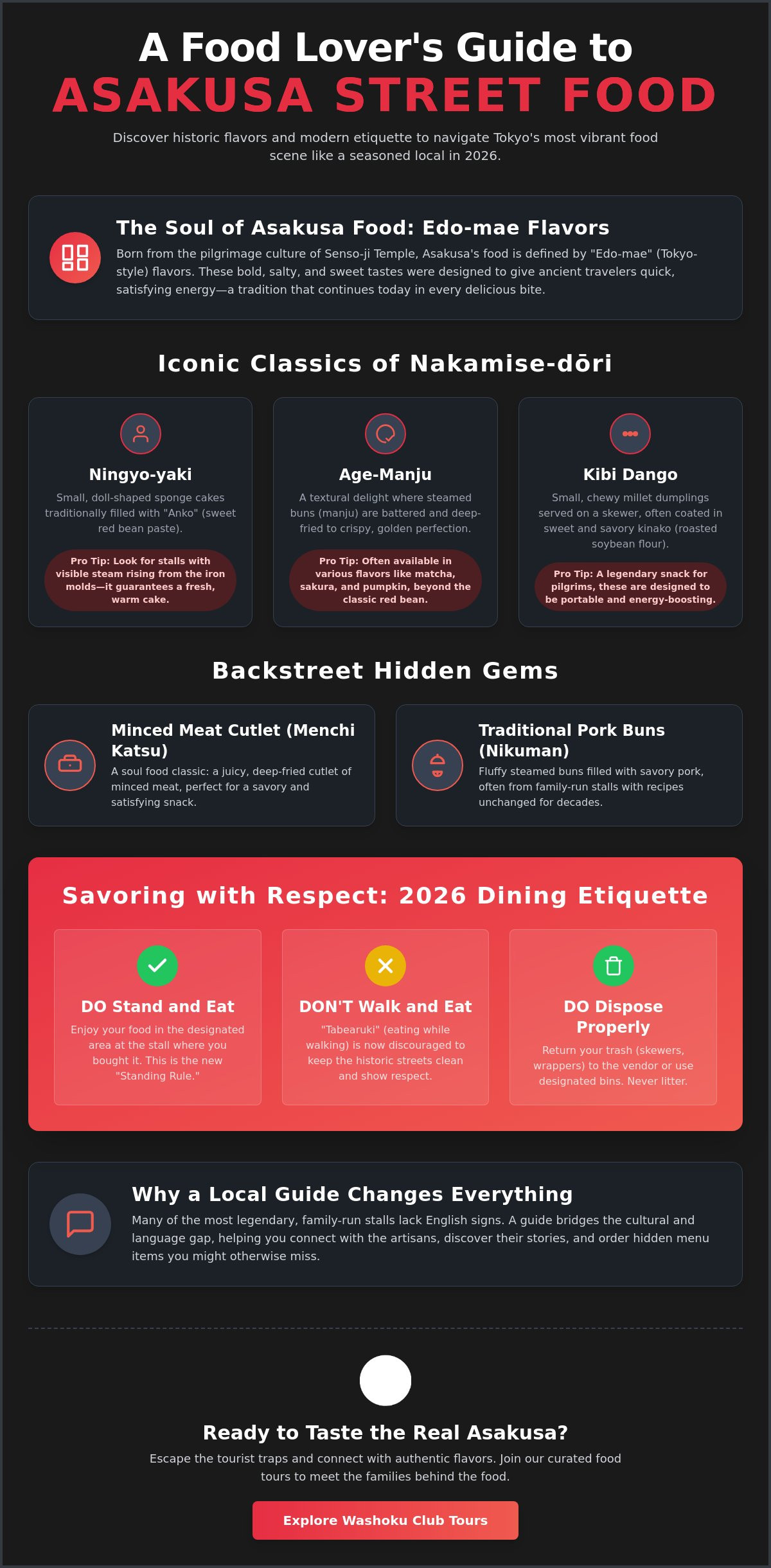
Imagine walking through the Kaminarimon Gate, where the scent of toasted rice and sweet red beans has greeted travelers for centuries. This vibrant atmosphere isn’t just a modern tourist attraction; it’s a living legacy of the history of Asakusa as a sacred pilgrimage site. Since the Edo period, vendors have gathered around Senso-ji Temple to feed hungry visitors, creating a unique culinary landscape where “Edo-mae” (Tokyo-style) flavors still thrive in 2026. These flavors are bold, salty, and sweet, designed to satisfy quickly and leave a lasting impression.
We see a beautiful blend of the old and the new as we walk these streets today. While the recipes might be hundreds of years old, the way we enjoy them has evolved. In 2026, there’s a massive revival of “Showa-era” aesthetics, where retro snack stalls use vintage packaging and classic signage to evoke a sense of nostalgia for the mid-20th century. It’s a delightful time to be a food lover in Tokyo, feeling the heartbeat of the city’s history through its snacks.
To better understand this concept and see the vibrant stalls for yourself, watch this helpful video:
The Culinary Legacy of Senso-ji
The temple gates naturally became a marketplace because pilgrims needed high-quality, portable fuel for their spiritual journeys. Early tea houses paved the way by serving simple skewers and sweets, establishing a standard for excellence that remains a hallmark of the area today. Washoku in the world of street snacks is the practice of honoring natural ingredients and traditional craftsmanship to create a balanced, soul-satisfying experience in every single bite.
What Makes Asakusa Food Unique?
You’ll quickly notice that the heart of asakusa street food lies in its devotion to “Anko” (sweet red bean paste) and rice-based delicacies like dango and senbei. These items were originally favored for their portability and energy-giving properties. By 2026, our local artisans have embraced the future by incorporating sustainable, biodegradable packaging and sourcing grains from specific regional farms. It’s heartening to see these families protect their heritage while caring for the environment.
One crucial change you must know for 2026 is the distinction between “Tabearuki” and modern etiquette. While the term literally translates to “eating while walking,” it’s now considered respectful to remain stationary at the stall where you bought your treat. This shift helps keep our historic streets clean and ensures you can focus entirely on the complex textures of your snack. If you’re looking to dive deeper into these traditions, we invite you to join one of our curated food tours to meet the families behind the food.
The Iconic Classics of Nakamise-dori: What to Eat First
While some travelers suggest skipping the main thoroughfare to avoid the crowds, we believe you’d miss the very soul of the district by doing so. Nakamise-dori is home to artisans who have perfected their craft over generations, with some shops serving the same beloved recipes for over a century. It’s the essential starting point for any asakusa street food journey, offering a sensory bridge between the Edo period and 2026.
The official guide to Asakusa highlights this area as a cultural hub, and for good reason. You’ll find legendary Ningyo-yaki, which are small sponge cakes shaped like dolls and filled with sweet red bean paste. Our secret tip? Look for the stalls where steam is actively rising from the heavy iron molds. This guarantees a fresh, warm cake where the “Azuki” bean quality truly shines. High-grade beans provide a clean, sophisticated sweetness that industrial shops simply can’t replicate.
If you crave a texture adventure, seek out Age-Manju. These are steamed buns that have been battered and deep-fried, creating a perfect crunchy-to-soft contrast. We also love the Kibi-dango, which are warm millet dumplings coated in fragrant toasted soybean flour, known as Kinako. These are often served in sets of five for approximately ¥400, providing a light, nostalgic flavor that has fueled pilgrims for ages.
Sweet Treasures and Traditional Confections
The beauty of these sweets often lies in their seasonality. In 2026, local artisans continue to honor the Japanese calendar by introducing limited-edition flavors. During the spring, look for Sakura-themed snacks wrapped in pickled cherry leaves. In the autumn, the red bean paste is often swapped for rich, earthy chestnut fillings. This dedication to the “now” makes every visit feel unique and deeply connected to the natural world.
Savory Bites for the Modern Pilgrim
Not everything on the main street is sweet. We’ve seen a wonderful rise in savory Senbei (rice cracker) variations. While the classic soy sauce glaze is timeless, 2026 brings bold options like tangy “Umeboshi” (pickled plum) and crisp “Nori” (seaweed). To find the most authentic version, look for a stall that still uses traditional charcoal grilling. You can tell by the gentle aroma of wood smoke and the careful, rhythmic flipping of the crackers by the artisan. Check out our Asakusa food tour buying guide for a curated route through these legendary stalls. If you’d like to explore these flavors with a friend who knows the locals by name, we’d love to have you join one of our Asakusa food tours.
Beyond the Main Gate: Discovering Backstreet Hidden Gems
While the historical foundation of Nakamise-dori is a must-see, the true heart of asakusa street food beats in the narrow side streets where locals linger. Stepping just three blocks away from the temple reveals a world of superior quality and craftsmanship. Here, the artisans aren’t just selling snacks; they’re upholding family reputations that have stood for decades. We love the way these quieter alleys offer a slower pace, allowing you to savor every bite without the rush of the main thoroughfare.
We must start with Asakusa Menchi. This legendary stall serves a minced meat cutlet that is a masterclass in texture. The outer shell is impossibly crisp, while the interior remains incredibly juicy thanks to a blend of high-quality pork and onions. It’s the kind of bite that makes you stop mid-sentence. Just around the corner, Sekine Nikuman serves as a local institution. They’ve been steaming their traditional pork buns since 1954, and the recipe hasn’t changed a bit. The dough is thick and slightly sweet, providing a comforting hug for the savory filling inside.
The Artisans of the Side Alleys
The Nishisando covered walkway has transformed into a vibrant hub for craft snacks in 2026. It offers a cooler, more relaxed environment to explore local vibes. You’ll find stalls offering A5 Wagyu skewers, allowing you to taste premium Japanese beef in a casual street format for approximately ¥1,500 to ¥3,000. It’s an accessible way to experience world-class marbling. For a more formal sit-down experience, see our family-friendly wagyu in Tokyo guide.
Modern Twists on Ancient Flavors
If you have a sweet tooth, the backstreets offer sophisticated delights that push culinary boundaries. Suzukien is famous for its Matcha Gelato, where you can choose from seven levels of intensity. Level seven is widely regarded as the world’s most intense matcha experience. It’s bold, bitter, and deeply aromatic. We also recommend visiting Fruit Parlor Goto, where seasonal Japanese fruits are reimagined into stunning parfaits.
The “Melon-pan” craze remains a favorite in 2026. Stalls like Kagetsudo serve jumbo-sized, fluffy bread with a cookie-crust top, often filled with thick swirls of fresh ice cream. Finally, we suggest planning ahead for Benitsuru. Their high-concept “fluffy” pancakes are airy works of art that melt on the tongue. Because they’re so popular, you’ll need to secure a same-day reservation early in the morning, but the experience of watching the chefs work is worth every bit of effort.
Savoring with Respect: 2026 Street Food Etiquette and Pro-Tips
We want you to feel like a welcomed guest, not just another face in the crowd. Part of the magic of enjoying asakusa street food is participating in the local culture with grace and mindfulness. In 2026, the local business association has introduced clearer guidelines to ensure that both visitors and residents can enjoy the district’s historic charm. Understanding these small gestures of respect will transform your experience from a simple snack run into a meaningful cultural exchange.
The most important regulation to remember is the “Standing Rule.” While it’s tempting to wander toward the temple with your treat, you’re now required to stay within the designated “standing only” zones directly in front of the stall where you purchased your food. This prevents the narrow streets from becoming blocked and ensures that you can focus entirely on the flavor of your snack. Once you’ve finished, please remember the 2026 trash management rule: always return your used skewers, wrappers, or cups to the vendor. Public trash cans are rare in this historic area, and shopkeepers take great pride in disposing of their own packaging responsibly.
How to Eat Like a Local
Before you take your first bite, we encourage you to embrace the “Itadakimasu” philosophy. This simple phrase is a way of showing gratitude to the artisans, the ingredients, and the tradition behind the food. It’s a small moment of reflection that deepens the connection between you and the chef. Walking and eating is considered “gyogi warui” because it risks spilling food on other guests and suggests you aren’t giving the artisan’s craft your full attention. By standing still, you honor the “Washoku” spirit of mindfulness.
Planning Your Food Route
Timing is everything when you want to avoid the heaviest crowds. We recommend the “Morning Strategy,” which involves arriving by 9:00 AM. This is the golden hour when the stalls are just opening, the air is fresh, and you can eat before the large tour buses arrive. To find a moment of peace, look for the “Asakusa Backstreet Map” displayed near the station, which points toward quiet seating areas away from the main temple approach. In 2026, keep an eye out for “Official Vendor” stickers on shop windows; these are marks of quality assurance that guarantee you’re supporting a business committed to traditional standards.
While Tokyo is increasingly digital, the payment landscape for street vendors remains a mix of old and new. Many small stalls still prefer the simplicity of cash, especially for items under ¥500. We suggest keeping a handful of ¥100 coins ready. While some vendors now accept IC cards like Suica or Pasmo, having physical currency ensures you won’t miss out on a hidden gem because of a technical glitch. If you’d like to navigate these customs with ease while discovering the best flavors, our Asakusa food tours provide a seamless way to enjoy the district’s best bites while feeling completely at home.
Connecting the Flavors: Why a Guided Experience Changes Everything
You’ve walked the main path and peered into the side alleys, but there’s a deeper layer to these flavors that remains just out of reach for many visitors. While it’s possible to find delicious snacks on your own, the most authentic asakusa street food often hides in plain sight. Many of the district’s most respected artisans don’t have English menus, colorful social media profiles, or even signs that a translation app can easily decipher. They rely on a loyal community of local regulars who have visited them for decades.
A local guide acts as your cultural bridge. We don’t just show you where to eat; we introduce you to the people behind the counter. This shift in perspective transforms you from a “tourist” into a “guest,” opening doors to conversations and stories that you’d never encounter otherwise. Understanding the complex history of an Edo-period recipe adds a seasoning of context that makes every bite taste richer and more meaningful.
Deepening Your Culinary Understanding
Every stall in Asakusa has a story, often spanning three or four generations of the same family. We love sharing these narratives because they represent the true spirit of “Washoku,” a dedication to craft that transcends simple hunger. By joining a comprehensive culinary tour, you gain access to “local-only” spots that might feel intimidating to enter alone. For the ultimate Tokyo experience, many of our guests enjoy combining their Asakusa morning with a visit to the Tsukiji Outer Market, creating a full day of diverse textures and tastes.
The Washoku Club culture and food tours Difference
Since 2016, our mission has been to share the Japan we love with food lovers from around the world. We’ve spent years building relationships with local shopkeepers, ensuring that our guests avoid the “tourist traps” and taste only the most authentic soul food. We believe that street food is the heartbeat of a culture. It’s the most honest way to understand the rhythm of a city and the hospitality of its people. Come experience the true flavors of Tokyo with us; we’re eager to welcome you into our club and share the secrets of our favorite neighborhood.
Your Culinary Journey Awaits in the Heart of Old Tokyo
Asakusa is more than just a destination; it’s a sensory bridge to Japan’s vibrant past. We’ve explored how asakusa street food beautifully balances centuries-old Edo traditions with the mindful, respectful etiquette of 2026. By stepping beyond the famous Kaminarimon Gate and into the quiet, steam-filled backstreets, you’ve learned how to find the authentic soul food that truly defines this historic district. Whether it’s the perfect crunch of a fresh menchi-katsu or the sophisticated sweetness of hand-molded ningyo-yaki, these flavors are waiting to tell you their stories.
Since 2016, we’ve been dedicated to sharing these hidden gems through boutique experiences that prioritize genuine connection over busy crowds. Our expert local guides bring deep culinary knowledge to every corner, ensuring you feel like a welcomed guest rather than just another traveler. If you’re ready to taste the real Tokyo, we invite you to explore our authentic Asakusa food tours and Japanese culinary experiences. We can’t wait to share a skewer and a piece of our heritage with you. Let’s make your visit to Asakusa truly unforgettable.
Frequently Asked Questions about Asakusa Food
Is it true that you cannot eat while walking in Asakusa in 2026?
Yes, you should avoid eating while walking to respect local customs and keep the historic streets clean. In 2026, vendors strictly request that you finish your treat in their designated standing area before moving on. This practice, known as avoiding “tabearuki,” allows you to fully appreciate the craft of the asakusa street food you’ve just purchased.
How much does a typical street food snack cost in Asakusa?
Most individual street food snacks in Asakusa cost between ¥150 and ¥600. For example, a single Age-manju is often around ¥200, while a set of Kibi-dango might be ¥400. If you’re planning a full food walk to sample several items, we recommend budgeting approximately ¥2,000 to ¥3,000 per person to enjoy a diverse range of flavors.
Which street food in Asakusa is best for vegetarians?
Asakusa offers wonderful vegetarian options, especially among its traditional sweets. Kibi-dango (millet dumplings) and various rice-based Senbei are usually safe bets. We also love the Matcha soft serve and fresh fruit skewers. We always recommend asking about the ingredients in savory glazes to ensure they don’t contain fish-based dashi or meat extracts.
What are the best times to visit Nakamise-dori to avoid the biggest crowds?
The best time to visit is around 9:00 AM when the shops first open their shutters. You’ll beat the large tour groups that typically arrive by mid-morning. If you aren’t an early riser, another quiet window often appears after 4:30 PM, though keep in mind that some popular stalls may begin selling out of their daily specials by then.
Are there any gluten-free street food options in Asakusa?
Gluten-free options are available but require careful selection since many snacks use soy sauce or wheat flour. Fruit skewers and plain roasted chestnuts are naturally safe choices. While dango is made from rice flour, it’s often coated in sauces containing wheat-based soy sauce. Fruit-based treats remain the most reliable choice for our gluten-sensitive guests.
Do I need to bring cash for street food stalls, or do they take credit cards?
You definitely need to carry cash, as many of the smaller, family-run stalls don’t accept credit cards. While some vendors have started accepting IC cards like Suica or Pasmo in 2026, coins and small bills remain the most reliable way to pay for a ¥200 snack. We suggest keeping plenty of ¥100 coins ready for quick and easy transactions.
What is the most famous street food that Asakusa is known for?
Asakusa is most famous for Ningyo-yaki, the charming doll-shaped sponge cakes filled with sweet red bean paste. These treats represent the heart of asakusa street food and have been a staple for pilgrims visiting Senso-ji for generations. Kaminari-okoshi, or “thunder crackers,” are another iconic souvenir that originated right here in the shadow of the Kaminarimon gate.
Are Asakusa street food stalls open in the evening?
Most street food stalls in Asakusa close relatively early, typically between 5:00 PM and 6:00 PM. Unlike the neon-lit izakaya districts of Shinjuku, Asakusa’s stall culture follows the rhythm of the temple. If you’re looking for an evening meal, we suggest transitioning to the nearby Hoppy Street, where the atmosphere remains vibrant long after the sun sets.