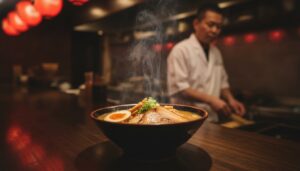

What if the most profound history lesson in Japan wasn’t found in a temple’s silence, but in the rhythmic chop of a vegetable knife inside a 400 year old market stall? You’ve likely heard that Kyoto is the heart of Japanese culture, yet standing before a wall of deep purple pickled vegetables or a steaming bowl of fresh yuba, it’s easy to feel like an outsider looking through a glass window. You don’t want to just see the food; you want to understand the soul of Washoku and avoid the crowded tourist traps that often catch the unwary.
We understand that desire for a truly authentic connection, along with the quiet anxiety about market etiquette or the language barrier. This guide is your key to mastering a kyoto market food tour, ensuring you move through these historic aisles with ease and genuine curiosity. You’ll learn the fascinating history of the “Kitchen of Kyoto,” discover why seasonal ingredients are the backbone of imperial cuisine, and gain the confidence to engage with local artisans. We’re going to take you beyond the surface, revealing the hidden stories and vibrant flavors that make Kyoto’s markets the beating heart of the city’s culinary identity in 2026.
Key Takeaways
- Understand how Kyoto’s landlocked geography shaped the art of Washoku through unique preservation techniques and the evolution of imperial cuisine.
- Discover the “Kitchen of Kyoto” beyond the food stalls by exploring hidden gems like legendary artisan knife shops and family-run ateliers.
- Learn why a professional kyoto market food tour is the best way to bridge the language gap and uncover the human stories behind every seasonal bite.
- Identify the five essential flavors you must try, including the delicate layers of Kyoto-style omelettes and the vibrant crunch of traditional tsukemono.
- Gain the confidence to navigate local market etiquette while supporting multi-generational businesses that represent the true heart of Japanese culinary heritage.
Why Kyoto’s Markets are the Soul of Japanese Gastronomy
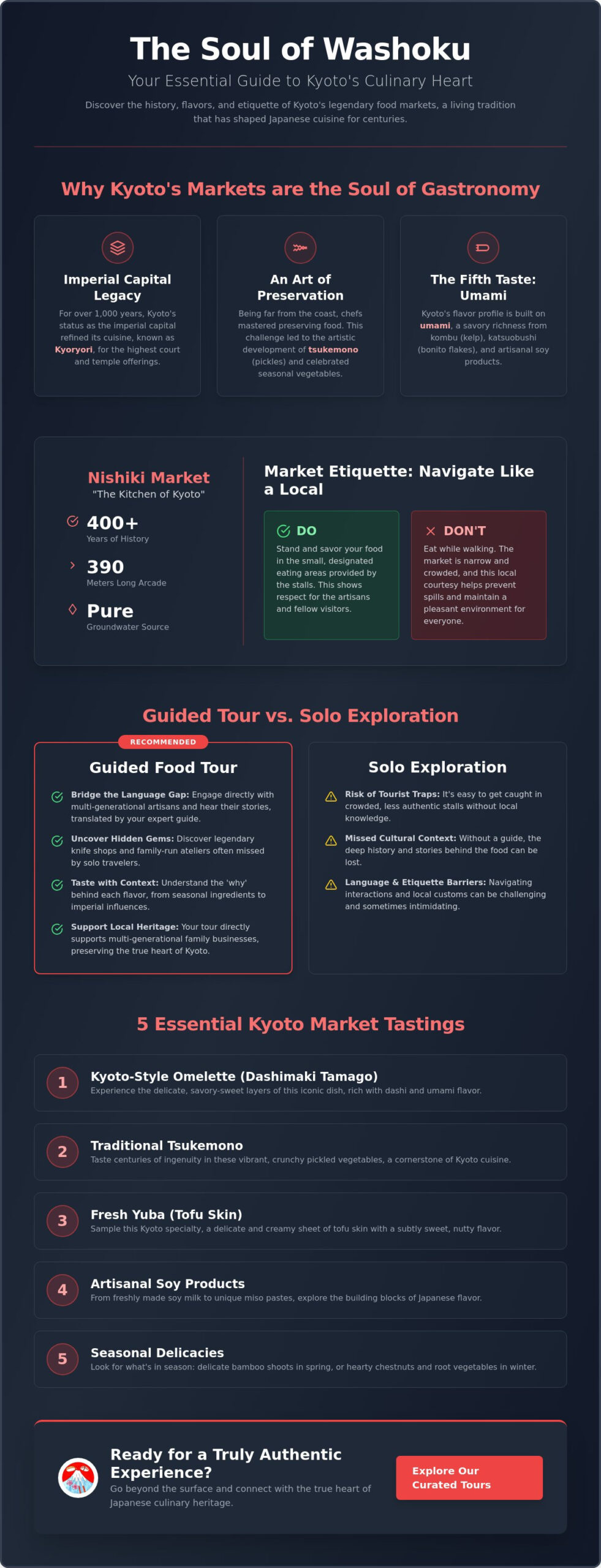
To truly understand Kyoto, you have to eat your way through its history. For over a millennium, this city served as the imperial capital, a fact that deeply influenced the Soul of Washoku. Washoku isn’t just a meal; it’s a traditional dietary culture based on a spirit of respect for nature and the changing seasons. Because Kyoto is tucked away from the coast, chefs and families historically couldn’t rely on the immediate arrival of fresh saltwater fish. They turned this inland challenge into an art form, developing Kyoryori, or Kyoto cuisine, which celebrates delicate seasonal vegetables and sophisticated preservation techniques. It’s a legacy of refinement that you can still taste today.
To see how these traditions translate into modern culinary excellence, watch this glimpse into Kyoto’s vibrant food scene:
A kyoto market food tour is far more than a simple lunch excursion. It’s a sensory education where you learn to see, smell, and taste the history of a nation. You’ll find that the vibrant colors of tsukemono (pickled vegetables) aren’t just for show. They represent centuries of survival and ingenuity. Every stall holds a story of a family that has perfected a single ingredient over multiple generations. When you walk these aisles, you aren’t just a tourist; you’re a witness to a living culinary tradition that has remained unbroken for centuries.
The Legacy of the “Kitchen of Kyoto”
Nishiki Market has earned its title as “Kyoto’s Kitchen” through 400 years of constant evolution. It began as a wholesale fish district, flourishing because of the city’s remarkably pure groundwater. This cold, clean water kept the fish fresh long before modern refrigeration existed. Over time, the market expanded to serve the city’s elite and the many Buddhist temples nearby. It became the primary source for the high-quality ingredients required for elaborate temple offerings and imperial banquets, cementing its place as the city’s most vital culinary hub.
Decoding Umami: The Building Blocks of Kyoto Flavors
At the heart of every dish you’ll encounter on a kyoto market food tour are the essential building blocks of flavor: kombu (dried kelp), katsuobushi (bonito flakes), and artisanal soy products. These aren’t just pantry staples. They’re the architects of the Japanese culinary experience. By combining these elements, local producers create a depth of flavor that is both light and incredibly satisfying. Umami is the savory “fifth taste” that defines Kyoto’s subtle flavor profiles, providing a richness that lingers long after the first bite.
Navigating Nishiki Market: More Than Just Street Food
Step into the 390 meter long arcade of Nishiki Market, and you’re immediately swept up in a kaleidoscope of colors and scents. It’s a narrow, vibrant world where the ceiling glows with stained glass and the air carries the briny tang of fresh seafood mixed with the sweet aroma of roasting nuts. While many visitors treat it as a simple street food stop, a true kyoto market food tour reveals it as a gallery of living history. You’ll notice a distinct seasonal shift in the stalls as you walk. In the spring, delicate bamboo shoots take center stage, while the arrival of winter brings hearty chestnuts and specialized root vegetables into the spotlight.
There’s a specific rhythm to the market that’s vital to respect. You’ll see signs asking you not to eat while walking. This isn’t just a rule; it’s a local courtesy that prevents spills in the tight crowds and shows respect for the artisans and their craft. Instead, we recommend stepping into the small standing areas provided by the stalls. It’s here, in these quiet pockets of space, that you can truly savor the texture of your snack while watching the bustling world go by. Don’t let the flash of grilled squid distract you from the quiet corners. Some of the most fascinating stops are traditional knife shops where blades are still hand-sharpened with ancestral precision. These aren’t just shops; they are guardians of a craft that supports the entire Kyoto culinary scene.
The Artisan Stalls: Meeting the Makers
The real magic happens when you meet the families who have perfected items like yuba, or tofu skin, over multiple generations. These stalls aren’t just businesses. They’re the heart of a local community where regulars exchange recipes and gossip. When you interact with these makers, you experience “Omotenashi,” that legendary Japanese hospitality that makes you feel like an invited guest rather than just a customer. If you’re looking for this kind of deep connection, joining one of our authentic food tours can help you navigate these interactions with confidence and ease.
The Depachika Phenomenon: Luxury Below Ground
Just a short walk from the traditional stalls lies the “Depachika” phenomenon. These luxury food halls, located in the basements of department stores like Daimaru or Takashimaya, are a culinary wonderland. While Nishiki feels rustic and historic, the Depachika is all about high-end curation. You’ll find meticulously wrapped seasonal gift boxes, premium wagyu sections that look like jewelry displays, and rows of perfect fruit. It’s the ideal place to see how Kyoto’s food culture blends ancient tradition with modern luxury. We love showing guests how to find the best seasonal treasures tucked away in these polished aisles.
Guided Food Tours vs. Solo Exploration: Which is Right for You?
You might be wondering if you really need a guide to walk down a public street. It’s a fair question. After all, the signs are colorful and the smells are free. But there’s a vast difference between simply wandering through a crowded arcade and truly experiencing a kyoto market food tour. When you go solo, you’re often limited to what looks familiar or what has the longest line. You might see a beautiful piece of charcoal-grilled fish, but you won’t know it’s a specific variety used for centuries in Shinto purification rituals. Without a bridge to the local culture, you’re just eating; you aren’t understanding.
The “Language Gap” is another hurdle that often separates tourists from the real soul of the market. While many vendors are friendly, the deep stories behind their craft are often locked away behind a language barrier. A guide doesn’t just translate the name of the dish or the price on a placard. They translate the shopkeeper’s history, their family’s multi-generational struggle, and the specific seasonal significance of the bite you’re about to take. We pride ourselves on opening “Hidden Doors” for our guests. Many of the most authentic stalls, those that have served the Kyoto community for decades, don’t market to the masses. They value long standing relationships. Our guides have spent years building that trust, allowing you to access flavors and artisan secrets that individual travelers simply won’t find.
The Value of Expert Storytelling
A deep Japanese culinary experience is built on layers of meaning that aren’t visible to the naked eye. A guide transforms a crowded walkway into a living museum of edible history. Instead of just seeing a shrine at the end of an alley, you’ll learn why the market vendors still leave offerings of salt and sake there every morning. You move from being a spectator to being a welcomed participant in a conversation that has lasted for generations. It’s about the “why” as much as the “what.”
Practical Logistics: Timing and Crowds
Timing is everything when you want to avoid the peak tourist rush. While most shops generally open between 9:00 AM and 6:00 PM, the atmosphere changes drastically throughout the day. If you’re comparing regional styles, like the bustling breakfast in Tokyo, you’ll find Kyoto’s morning rhythm is more deliberate and focused on preparation. Our guides know how to navigate the market flow, pivoting away from the heaviest crowds to ensure your small group feels like an intimate club. We handle the logistics and the etiquette, so you can focus entirely on the flavors and the people behind them.
5 Essential Tastings You Cannot Miss on a Kyoto Market Tour
Imagine the steam rising from a heavy iron pan as a chef expertly rolls thin, delicate layers of egg into a golden, rectangular pillow. This is Dashimaki Tamago, a Kyoto style omelette that differs from its Tokyo cousin by its high concentration of dashi stock. It isn’t just an egg dish; it’s a succulent, savory sponge that releases a burst of umami with every bite. On a kyoto market food tour, tasting this freshly made, warm omelette is a rite of passage that perfectly illustrates the city’s obsession with subtle, refined flavors.
As you move deeper into the 400 meter arcade, your eyes will be drawn to the vibrant, neon hues of the Tsukemono stalls. These pickled vegetables are the colorful heart of the market, featuring everything from deep purple shibazuke (cucumber and eggplant with shiso) to the bright yellow of pickled radish. For those visiting during the humid summer months, you’ll likely encounter Hamo, or conger eel. This toothy fish is a symbol of Kyoto’s summer festivals, traditionally served blanched with a dot of plum paste. Because it has thousands of tiny bones, the chefs must perform a specialized cutting technique called “hone-kiri,” making it a masterclass in culinary precision.
No exploration of Kyoto’s soul food is complete without Yuba. This delicate tofu skin is a staple of Zen Buddhist vegetarian cuisine, prized for its creamy texture and nutty finish. Whether you try it fresh and soft or dried and crunchy, it represents the deep spiritual connection between the city’s temples and its kitchens. To finish your journey, look for a stall serving Mochi or seasonal Wagashi. These traditional sweets act as the perfect palate cleanser, offering a gentle sweetness that balances the savory depth of the market’s earlier offerings.
Obanzai: The Soul Food of Kyoto
If you want to eat like a local, you must look for Obanzai. This is the traditional home cooked style of Kyoto, consisting of small plates made from seasonal ingredients that might otherwise go to waste. It’s built on a “no waste” philosophy, where every part of a vegetable is used with respect. You can spot authentic Obanzai stalls by the large ceramic bowls displayed on the counter, each filled with simmered greens, marinated roots, or local tofu. It’s simple, honest, and deeply comforting.
Navigating Dietary Needs: Vegan and Gluten-Free Options
Kyoto is arguably the most welcoming city in Japan for those with dietary restrictions. Thanks to the long history of Shojin Ryori (temple cuisine), vegan options like Yuba and seasonal tempura are abundant. If you’re looking for gluten free snacks, focus on naturally safe items like grilled seafood or rice based mochi, and always ask about the soy sauce. We understand that traveling with specific needs can be stressful, which is why Washoku Club culture and food tours specializes in family friendly food tours that cater to diverse requirements. We make sure everyone in your group can savor the magic of Kyoto without worry.
Ready to taste the best of the “Kitchen of Kyoto” with a guide who knows every shopkeeper by name? Explore our full range of experiences and book your spot on a Kyoto Food Tour today.
Joining the Club: How We Curate Authentic Culinary Adventures
At Washoku Club culture and food tours, we see ourselves as more than just intermediaries between you and a meal. We are your bridge to a culture that can sometimes feel closed off to the casual observer. When you join us for a kyoto market food tour, you become part of our community. You will feel the warmth of Japanese hospitality, or Omotenashi, as we introduce you to the shopkeepers and artisans we have known for years. These aren’t just vendors to us; they are friends, neighbors, and the true keepers of the city’s culinary flame. We believe that the best way to understand a place is through the people who pour their lives into its traditions.
We have a firm rule: we never take you to tourist traps. Instead, we focus on multi-generational family businesses that have stood the test of time. These are the places where the soul of Kyoto truly lives, tucked away in quiet corners that most visitors walk right past in their rush to the next landmark. By supporting these local legends, we ensure that the traditional food culture of Japan continues to thrive for another generation. It is a shared journey of discovery, respect, and, of course, incredible flavor. Every bite you take supports a family that has been perfecting their craft for decades, turning a simple tour into a meaningful cultural exchange.
Our passion for authentic storytelling isn’t limited to the ancient capital. Washoku Club culture and food tours offers consistent, high quality experiences across Japan’s culinary heartlands, including Tokyo and Osaka. We bring the same level of expertise and personal touch to every city, ensuring your entire Japanese adventure is filled with authentic flavors and meaningful human connections. Whether you are navigating the neon lit alleys of Shinjuku or the historic arcades we’ve explored today, you can trust that you are in the hands of a local expert who cares deeply about your experience.
The Washoku Club culture and food tours Difference
Our commitment to cultural storytelling is what sets us apart from generic sightseeing trips. We don’t just tell you what you’re eating; we explain the history, the ritual, and the people behind the dish. Whether you choose our small group settings for an intimate feel or a larger group for a lively community atmosphere, the experience remains deeply engaging. We invite you to explore our full range of tours to find the perfect fit for your 2026 travel style and group needs.
Planning Your 2026 Culinary Journey
As you look forward to your 2026 travels, planning your kyoto market food tour is simple. First, consider the season. Each month in Kyoto brings a new peak ingredient, from spring bamboo to winter root vegetables. Second, think about your group size and any specific dietary notes we should be aware of. We handle all the logistics and etiquette, so you don’t have to worry about the language barrier. Our booking process is straightforward and transparent. On the day of your tour, just bring your curiosity and a healthy appetite. We’ll be there to welcome you as a guest in our home city. Start your journey with a taste of the real Japan and let us show you the secrets hidden within the Kitchen of Kyoto.
Start Your Culinary Legacy in Kyoto
Kyoto’s markets are the living, breathing heart of a thousand-year-old culinary tradition. You’ve discovered how the city’s inland history birthed the art of preservation and why every seasonal bite tells a story of imperial refinement. By stepping away from the crowded tourist traps and engaging with the multi-generational families who keep these traditions alive, you aren’t just visiting a destination. You’re becoming a guest in a story that spans centuries, connecting with the hands that have shaped Japanese gastronomy.
As you plan your 2026 adventure, remember that a kyoto market food tour is more than a checklist of snacks; it’s an invitation to see Japan through the eyes of those who feed it. Since 2016, Washoku Club culture and food tours has specialized in expert-led, off-the-beaten-path experiences that prioritize small group intimacy and deep cultural storytelling. We don’t just show you where to eat; we introduce you to the artisans who define the soul of Washoku.
Book your authentic Kyoto culinary adventure with Washoku Club culture and food tours and let our passionate local guides welcome you into our community. We can’t wait to share these hidden flavors with you.
Frequently Asked Questions
What is the best time of day to take a Kyoto market food tour?
Morning is the ideal time if you want to experience the market as it wakes up. Most individual shops in Nishiki Market open their doors by 9:00 AM, and visiting before 10:00 AM allows you to beat the heaviest midday crowds. Alternatively, the late afternoon after 3:00 PM offers a much calmer atmosphere before many stalls begin to close around 6:00 PM.
Is Nishiki Market too crowded for families with young children?
It can get quite bustling, especially on weekends, but it is manageable with a bit of planning. We suggest visiting on a weekday morning to ensure a more relaxed pace for your little ones. Our family friendly food tours are specifically designed to navigate these narrow aisles comfortably, making sure your children feel like welcomed guests while they discover new flavors.
Can I find vegetarian or vegan options on a Kyoto food tour?
Yes, Kyoto is a wonderful destination for plant based diners due to its long history of Buddhist Shojin Ryori. You will find an abundance of delicious options like creamy yuba, seasonal pickles, and artisanal tofu. During a kyoto market food tour, we make it a priority to highlight these traditional vegetarian treasures that have been part of the local diet for centuries.
How long does a typical market tour last, and what should I wear?
Most of our curated experiences last between two and three hours. This provides plenty of time to savor each tasting and listen to the stories of the artisans without feeling rushed. We always recommend wearing your most comfortable walking shoes and light layers, as the covered arcade can feel a bit warmer than the outside streets when the crowds pick up.
Do I need to bring cash to the market, or are credit cards accepted?
You should definitely carry some Japanese Yen with you. While larger shops and department store food halls accept credit cards, many of the small, multi-generational stalls still prefer cash for street food purchases. Having small bills and coins ready makes your interactions with the local vendors much smoother and shows respect for the traditional way they do business.
What happens if it rains during the tour?
The tour will proceed exactly as planned because Nishiki Market is a fully covered arcade. Its famous colorful glass ceiling keeps you perfectly dry regardless of the weather outside. This makes a kyoto market food tour one of the most reliable and enjoyable activities to book on a rainy day in the ancient capital.
Is a food tour in Kyoto worth it if I have already done one in Tokyo?
It’s absolutely worth it because Kyoto’s culinary soul is entirely different from Tokyo’s. While Tokyo is famous for its Edomae sushi and global variety, Kyoto focuses on Kyoryori, which is deeply rooted in imperial history and seasonal vegetables. The ingredients, the cooking techniques, and the flavor profiles you’ll find here represent a unique side of Japanese heritage you won’t find anywhere else.
How far in advance should I book my 2026 Kyoto food tour?
We recommend booking your spot at least two to three months in advance. This is especially important if you’re visiting during the peak cherry blossom or autumn foliage seasons when the city is at its busiest. Booking early ensures you can join one of our intimate groups and experience the personal touch that our club members love.