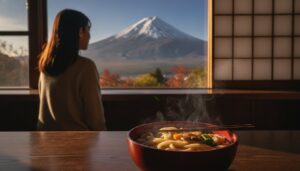

With over 150,000 restaurants dotting the neon-lit streets of Tokyo, how do you find the one bowl of ramen or the perfect slice of otoro that will truly change your life? It’s completely natural to feel overwhelmed by the sheer scale of the city, which is why many travelers choose a tokyo food tour to help them find their footing. You might worry about missing those legendary hidden gems tucked away in quiet alleys, or perhaps you feel a bit of anxiety about navigating local dining etiquette and language barriers at a bustling counter. We understand that you don’t just want a meal; you want to feel like a welcomed guest who truly belongs at the table.
In this guide, we promise to reveal the deep philosophy and hidden rituals that make our culinary culture so special. You’ll gain the confidence to navigate any local menu and learn to distinguish between tourist traps and authentic soul food. We’ll preview the different styles of urban dining, from the lively energy of an izakaya to the refined quiet of a tea house, while connecting you with the incredible people behind the flavors. Let’s start this journey into the heart of Washoku together.
Key Takeaways
- Understand the spirit of “Washoku” as a multi-sensory journey that blends ancient traditions with the vibrant innovation of a modern metropolis.
- Learn to navigate the essential pillars of the city’s food scene, from the fresh morning energy of the central market to the warm, communal “living room” of an Izakaya.
- Discover the visual cues of an authentic hidden gem, such as modest “Noren” curtains and local queues, to ensure your tokyo food tour avoids flashy tourist traps.
- Master the subtle nuances of Japanese dining etiquette, including essential chopstick rules and the respectful phrases that honor the people behind your meal.
- Uncover how a passionate local guide acts as a cultural gatekeeper, opening doors to secret eateries and bridging the communication gap with local artisans.
What Defines a Modern Tokyo Culinary Experience?
Tokyo is a city that speaks to you through its flavors. When you step into a tiny alleyway in Shinjuku or walk through the historic streets of Asakusa, you aren’t just looking for dinner; you’re embarking on a multi-sensory journey through Japan’s culinary heart. This experience is built upon the foundations of Japanese cuisine, known as Washoku, which emphasizes harmony, balance, and a deep respect for natural ingredients. In our metropolis, this ancient tradition meets a relentless drive for innovation. Whether you are joining a tokyo food tour or exploring on your own, you’ll feel the spirit of Omotenashi, a form of selfless hospitality that ensures every guest feels like the most important person in the room. It’s a quiet, powerful dedication to your comfort that turns a simple meal into a lasting memory.
To better understand this concept and see these vibrant flavors in action, watch this helpful guide:
The city’s food scene is a fascinating study in contrasts that keeps your palate guessing. You can find yourself at a hushed counter with three Michelin stars in Ginza, where every grain of polished rice is a literal masterpiece, or standing at a crowded street corner enjoying “B-kyu gurume.” These “B-rank gourmets” are the beloved, affordable soul foods of the city. Think of savory okonomiyaki pancakes or smoky yakitori skewers that prioritize comfort, history, and deep flavor over expensive prestige. Both ends of the spectrum are equally vital to the city’s identity.
The Intersection of Tradition and Innovation
Tokyo acts as a massive culinary melting pot where regional flavors from the snowy peaks of Hokkaido to the tropical islands of Okinawa collide. Ancient preservation techniques, like complex pickling and the art of fermentation, now sit comfortably alongside cutting-edge kitchen technology. Despite the neon lights and high-tech surroundings, the concept of “Shun,” or peak seasonality, remains the city’s true north. It is why a local menu will transform overnight with the first falling cherry blossoms or the arrival of fatty autumn mackerel.
Understanding the Shokunin Spirit
The secret to the city’s legendary quality lies in the Shokunin. These are artisans who dedicate their entire lives to perfecting a single craft, whether it’s the precise temperature of tempura batter or the exact pressure needed to shape Nigiri. Shokunin is the pursuit of perfection through repetition. Many of the spots we visit on a tokyo food tour are small, family-run stalls where these techniques have been passed down through generations. Connecting with the people behind the food adds a layer of human storytelling that makes every bite taste even better.
The Pillars of Urban Gastronomy: From Markets to Izakayas
To truly understand the rhythm of this city, you have to see where the day begins and ends for the locals. Tokyo’s gastronomic landscape is built on several essential pillars that define its unique character. We often start our mornings at the Tsukiji Outer Market, a vibrant district that remains the heartbeat of the city’s food culture despite the wholesale move to Toyosu in 2018. With over 400 shops and stalls packed into narrow lanes, it’s a sensory explosion of briny air, whistling kettles, and the rhythmic chopping of knives. This is where you’ll find the raw materials of Washoku, from ruby-red tuna to hand-rolled tamagoyaki omelets. It’s an essential stop on any authentic tokyo food tour because it connects you directly to the artisans who have supplied the city’s kitchens for decades.
While the markets provide the ingredients, the specialty houses provide the mastery. In Tokyo, many restaurants choose to master just one thing rather than offering a broad menu. You might find a quiet shop in a basement that has spent 50 years perfecting the light, crisp crunch of tempura, or a traditional house dedicated entirely to the art of Unagi (grilled eel). This focus allows for a level of quality that is rarely found elsewhere. Standing bars, known as Tachinomiya, offer a different kind of mastery; the art of the quick, delicious bite. These standing-only spots are perfect for a bowl of earthy Soba or a few skewers of smoky Yakitori before heading to the next destination.
The Social Heart of the Izakaya
As the sun sets and the neon signs flicker to life, the Izakaya becomes the “living room” of urban Japan. These are informal gastropubs where the atmosphere is warm, loud, and incredibly welcoming. Your experience usually begins with “Otoshi,” a small compulsory appetizer served with your first drink to welcome you to the table. We love the Izakaya because it encourages a communal style of dining where you share small plates of seasonal soul food. If you want to dive deep into these lively evening rituals without the worry of a language barrier, we invite you to join us on a guided evening journey to discover the city’s best-kept secrets.
Market Culture Beyond the Seafood
Market culture in Tokyo extends far beyond the morning catch. In the streets surrounding the main markets, you’ll discover shops dedicated to professional-grade knives, delicate ceramics, and premium green teas. Another hidden treasure is the “depachika,” the incredible food halls found in the basements of major department stores. These spaces act as the “kitchen of the city,” providing the essential tools and high-quality prepared foods that fuel Tokyo’s 150,000 restaurants. Exploring these halls reveals the incredible diversity of the modern tokyo food tour experience, from traditional sweets to international fusion.
Authentic Flavors vs. Tourist Traps in the Metropolis
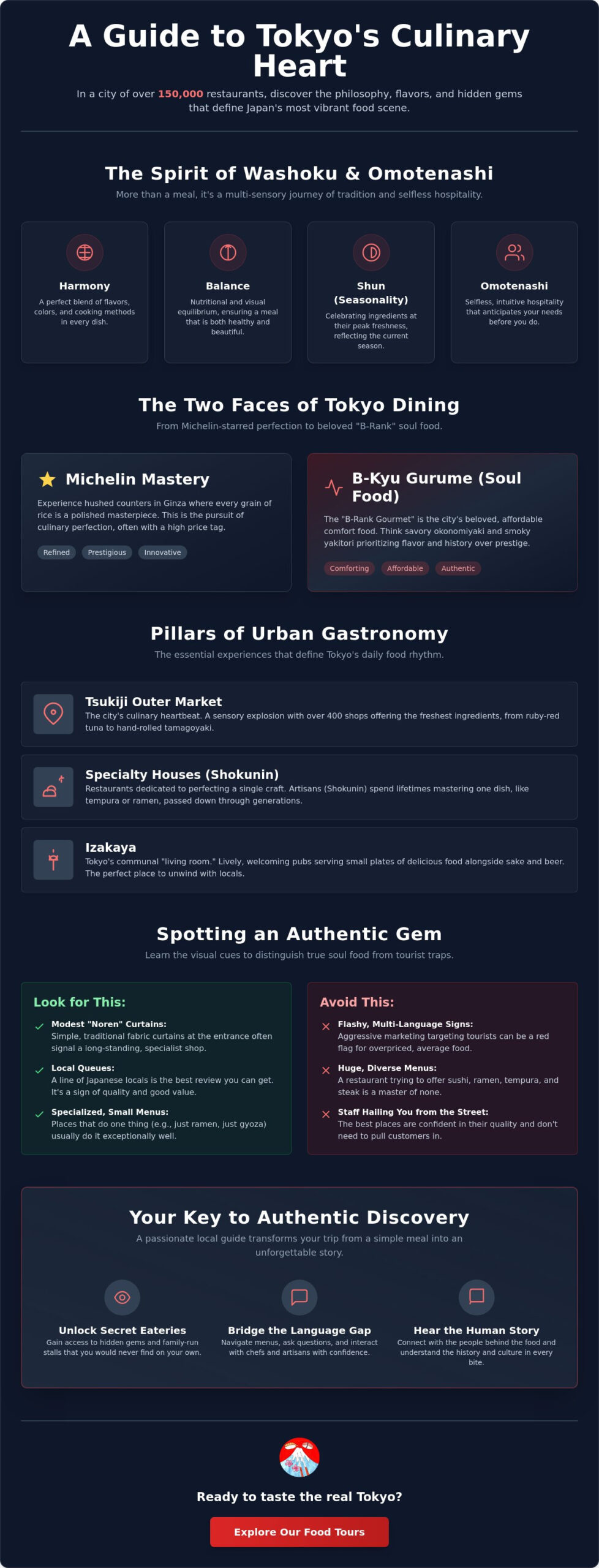
With over 150,000 restaurants packed into this sprawling metropolis, the challenge isn’t finding food; it’s finding the soul of the city. When you’re wandering through the neon-lit canyons of Shibuya or the crowded lanes of Shinjuku, it’s easy to get swept up in the spectacle. A genuine tokyo food tour isn’t just about eating. It’s about learning to read the city’s secret language to distinguish between a “tourist trap” and a “hidden gem.” You’ll often find that the flashy spots with aggressive touts outside and over-the-top, multi-lingual displays are designed for high turnover rather than high quality. In contrast, an authentic eatery often whispers rather than shouts.
Price is rarely a reliable compass for quality here. You might find a life-changing bowl of ramen for under 1,000 yen in a basement while a nearby high-priced restaurant serves mediocre fare to unsuspecting visitors. We encourage you to practice “vertical exploration.” In Tokyo, some of the most incredible culinary experiences are hidden on the 4th or 5th floor of nondescript office buildings. Look for modest indicators of quality: a clean, well-maintained entrance, a steady queue of local office workers, and the presence of a “Noren” curtain. These elements suggest an establishment that relies on a loyal local following rather than passing foot traffic.
Decoding the Noren and the Menu
The “Noren,” or traditional fabric divider hanging at the door, is more than just decoration; it’s a sign of a shop’s pride and heritage. A faded, well-worn curtain often signals a business that has stood the test of time. While many authentic spots may not have extensive English menus, they often use “shokuhin sampuru,” which are incredibly realistic wax food models displayed in the window. These are your best friends for understanding exactly what you’ll be served. For a deeper look at these cultural markers, check out our A Visual Guide to Historic Neighborhoods to see how these elements define the city’s aesthetic.
The Myth of the ‘Best’ Restaurant
Many visitors arrive with a list of “top-rated” spots from viral social media posts, but the truth is that the “best” restaurant is often the one where the chef knows their regulars by name. Authenticity is found in the relationship between the artisan and the customer. You can find soul-stirring meals in the most unexpected places, such as the bustling underpasses of train stations or quiet transit hubs. As your passionate local guides, we believe that real discovery happens when you step away from the hype and into the quiet alleys where the real stories are told. This is the heart of what we share on every tokyo food tour we lead.
Dining Etiquette: Mastering the Cultural Nuances
Mastering the nuances of Japanese dining etiquette isn’t about following rigid rules; it’s about showing deep respect for the food and the people who prepared it. When you join us on a tokyo food tour, we help you move beyond the basics to find the true spirit of the table. Every meal begins with a quiet “Itadakimasu,” a phrase that translates to “I humbly receive.” It’s a moment of gratitude for the life of the ingredients and the hard work of the chef. Once the last bite is finished, we conclude with “Gochisousama-deshita,” which acknowledges the feast you’ve just enjoyed. These simple bookends create a beautiful sense of closure and connection between you and the kitchen.
Chopstick etiquette is perhaps the most visible part of the meal, and a few small gestures go a long way in showing your cultural awareness. Never pass food directly from your chopsticks to another person’s, as this mimics a somber funeral ritual. Similarly, avoid sticking your chopsticks upright in a bowl of rice. While some rules are about restraint, others encourage enthusiasm. Making a slurping sound while eating ramen or soba is actually a compliment to the chef. It shows you’re enjoying the meal and helps cool the hot broth while aerating the flavors. In a group setting, remember the ritual of “Oshaku.” You should avoid pouring your own drink. Instead, keep an eye on your companion’s glass and fill it for them, and they will surely return the favor. It’s a subtle dance of mutual care that makes every gathering feel special.
The Silent Language of the Table
The “Oshibori,” or wet towel, is your first introduction to Japanese hospitality. Use it to clean your hands before eating, but remember it’s not meant for your face or neck. When eating from small bowls, it’s perfectly polite to lift the dish closer to your mouth to prevent spills. One of the most refreshing aspects of dining here is that tipping is not practiced. In Japan, providing exceptional service is a matter of professional pride. Attempting to leave extra money can sometimes cause confusion or even slight offense, as the reward is already included in the dedicated care you receive.
Navigating Language Barriers with Respect
You don’t need to be fluent to have a profound culinary experience. Learning a few essential phrases like “Oishii” (delicious) or “Osusume wa?” (what do you recommend?) opens doors and brings smiles to the faces of shop owners. If you’re feeling adventurous, try asking for “Omakase,” which means “I’ll leave it to you.” This allows the chef to serve the absolute best seasonal items they have that day. For those traveling with the whole family, we have gathered specific Tips for Food Tours with Young Children to ensure everyone feels comfortable at the table. To experience these traditions firsthand with a friend by your side, we invite you to discover our small-group experiences today.
Why a Guided Journey is the Key to Authentic Discovery
Tokyo is a labyrinth of flavors where the most profound experiences often hide in plain sight. While digital maps and review apps can point you toward popular restaurants, they can’t introduce you to the soul of the shop or the history behind a family recipe. This is where the role of a local guide becomes essential. We act as cultural gatekeepers, opening doors to tiny, unlisted eateries where the chef might only speak Japanese and the menu is handwritten on a chalkboard. On a tokyo food tour with us, you aren’t just a customer; you’re a welcomed guest being introduced to our community. We bridge the communication gap, allowing you to hear the stories of the artisans and understand the deep pride they take in their craft.
Every traveler has a unique palate, and we believe your journey should reflect that. Whether you have specific dietary needs, a passion for rare sake, or a desire to find the city’s best A5 Wagyu, a guided experience allows for a level of customization that solo exploration simply can’t match. The Washoku Club culture and food tours difference lies in our commitment to hospitality and storytelling. We don’t just tell you what to eat; we explain the “why” behind the seasonal ingredients and the cultural rituals that make each bite significant. We want you to leave with more than just a full stomach. We want you to leave with a genuine connection to the people who define the world’s most vibrant food scene.
Moving Beyond the Map
The most memorable flavors in this city are often found in places without signs or flashy advertisements. These are the spots where locals go to escape the noise, tucked away in the upper floors of narrow buildings or down quiet residential alleys. A guide helps you move beyond the standard tourist circuit to discover these authentic sanctuaries. To see how we weave these hidden gems into a comprehensive experience, take a look at our Full Day Culinary & Cultural Itinerary. It’s a perfect example of how we balance iconic landmarks with off-the-beaten-path culinary secrets.
A National Perspective on Local Flavors
Our expertise isn’t limited to the capital. By understanding the culinary traditions of the entire country, we can explain how a bowl of ramen in Tokyo differs from the soul food of the south or the refined flavors of the old capital. We often connect the urban dining you see today to the sacred peaks and rural traditions that shaped Japanese cuisine over centuries. If your travels take you beyond Tokyo, you can find that same level of deep local insight in our Ultimate Guide to Private Food Tours in Osaka. No matter where you go, we’re here to ensure your tokyo food tour is just the beginning of a lifelong love affair with Washoku.
Your Seat at the Table Awaits
Tokyo is more than a city with a high restaurant count; it’s a living library of culinary secrets and human connections. By understanding the spirit of Washoku and mastering the subtle nuances of etiquette, you transform from a simple visitor into a welcomed guest. Whether you’re navigating the morning rush of the markets or sharing small plates in a hidden Izakaya, the true magic happens when you step away from the crowds and into the heart of local life.
Since 2016, we’ve dedicated ourselves to sharing these authentic, off-the-beaten-path experiences across Tokyo, Osaka, and Kyoto. Our expert-led journeys are designed to bridge the gap between you and the artisans who keep these traditions alive. Don’t let the fear of choice or language barriers keep you from the meal of a lifetime. A tokyo food tour is the perfect way to unlock the city’s best-kept secrets with confidence and joy. Explore our curated Japanese food tours and book your next adventure today. We can’t wait to share our favorite flavors with you.
Frequently Asked Questions
Is a Tokyo food tour worth it if I’m on a budget?
A tokyo food tour is an excellent investment for budget travelers because it provides the insider knowledge needed to avoid overpriced tourist traps. By learning to identify authentic soul food spots and “B-rank gourmet” gems, you’ll save money throughout the rest of your trip. We teach you how to navigate local vending machine restaurants and standing bars where the quality is high but the price remains very accessible.
Can I find vegetarian or vegan options during a culinary experience in Japan?
You can definitely find vegetarian and vegan options, though it requires a bit of local insight to navigate hidden ingredients like fish-based dashi. While traditional Zen Buddhist “Shojin Ryori” is naturally vegan, many modern urban spots now specialize in plant-based ramen and sushi. We always recommend communicating your needs clearly or choosing a guide who can ensure your meal aligns perfectly with your dietary lifestyle.
What is the best time of day to go on a food tour in the city?
The ideal time for your culinary journey depends on the specific atmosphere you want to experience. Morning tours are perfect for witnessing the energetic trade at the Tsukiji Outer Market and enjoying the freshest seafood. Evening tours allow you to dive into the neon-lit world of Izakayas and standing bars, where the city’s social heart truly beats after the workday ends.
How much should I expect to spend on a typical urban dining experience?
You should expect to pay between ¥400 and ¥600 for popular street food like takoyaki, while yakitori skewers often range from ¥120 to ¥200 each. For a standard lunch in a local neighborhood, ¥1,000 to ¥2,000 is common for a set meal. Tokyo offers incredible value across every price point, allowing you to enjoy world-class flavors without needing a massive budget if you stick to local haunts.
Do I need to speak Japanese to enjoy authentic local restaurants?
You don’t need to speak Japanese to have a wonderful meal, as many local shops use realistic wax food models and visual menus to help you choose. The spirit of hospitality, or Omotenashi, means that chefs are usually eager to help you despite any language barriers. Learning a few polite phrases or using a translation app can also make your interactions feel much more personal and rewarding.
Are food tours in Japan family-friendly for those traveling with kids?
Most culinary experiences are very family-friendly, especially those that focus on interactive foods like rolling your own sushi or visiting lively markets. We often suggest tours that visit spacious department store food halls or casual stalls where children can explore new flavors at their own pace. It’s a fantastic way to introduce kids to Japanese culture through the universal language of delicious food.
What should I wear for a walking food tour in the metropolis?
Comfortable footwear is essential since a tokyo food tour involves navigating narrow alleys and standing at traditional counters. We recommend dressing in layers, as the temperature can shift between the chilly morning air of a market and the cozy warmth of a small restaurant. While most casual dining spots don’t have a strict dress code, neat and respectful attire is always appreciated in our local community.
How do I handle food allergies during a guided dining experience?
Handling food allergies effectively requires clear and early communication with the kitchen staff. Japan has updated its labeling standards in 2026 to expand allergen requirements for packaged goods, but small street stalls may not always have the same documentation. We recommend carrying a printed translation card that details your specific allergies to ensure there’s no misunderstanding during your meal.