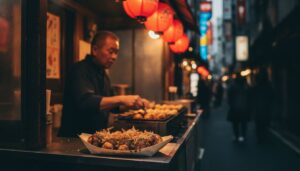

Imagine you’re standing on a quiet street corner in Shibuya at 7:00 AM while the city is just beginning to breathe, and your only mission is to find a soul-warming breakfast in tokyo. Most guidebooks tell you the city doesn’t wake up until 10:00 AM, leaving you to wander past closed shutters with a growling stomach. It’s a common frustration for early risers who don’t want to settle for a generic hotel buffet or a stale pastry.
You want to eat like a local, but the choice between a steaming bowl of miso soup and a thick slice of “morning service” toast can feel overwhelming when you’re hungry. We’re here to help you master the morning. You’ll learn exactly how to navigate the city’s early hours like a seasoned pro, ensuring you never miss out on an authentic start to your day. It’s about finding that perfect balance between tradition and modern urban life.
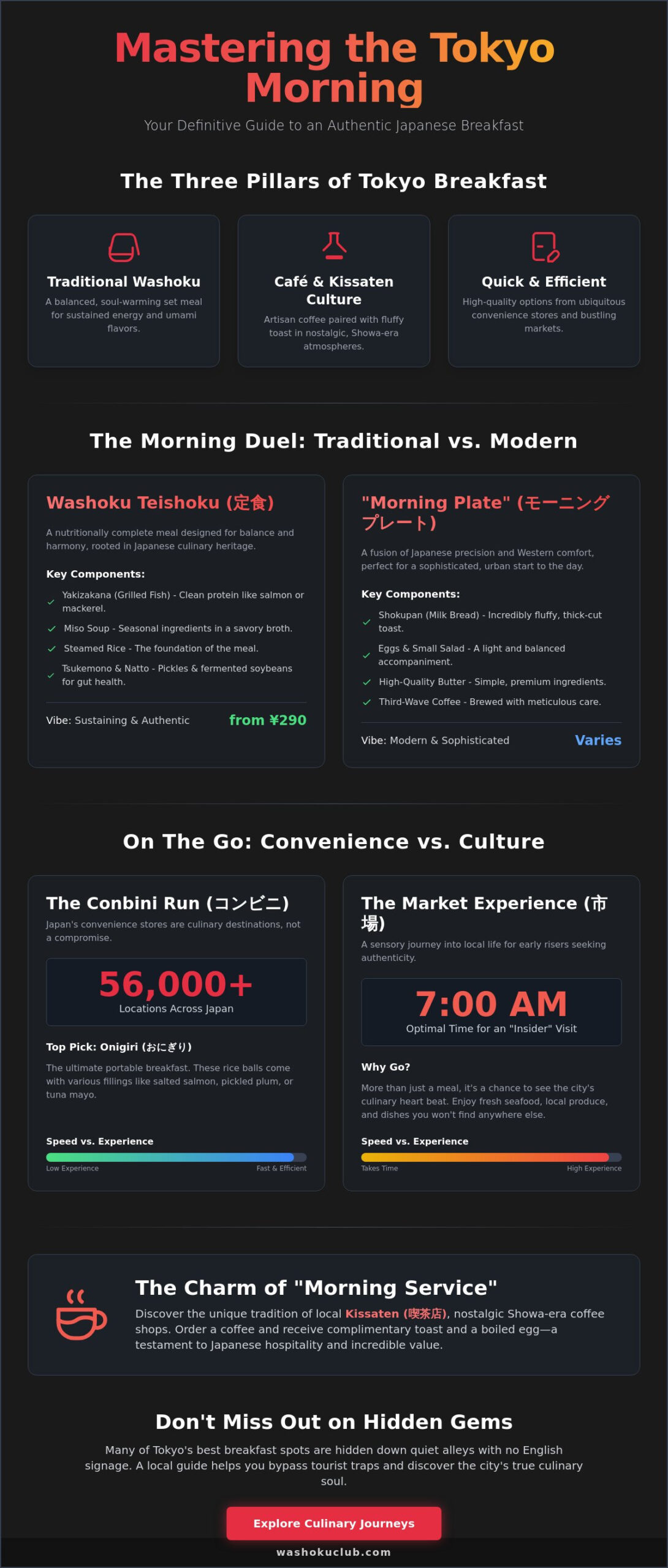
We’ll explore the three main pillars of Japanese mornings. This includes the traditional Washoku teishoku sets that often start as low as ¥290 at local chains, the nostalgic charm of kissaten cafe culture, and the surprisingly high-quality convenience of the 56,000 conbini scattered across the country. By the end, you’ll know exactly where to find a high-quality meal while the rest of the tourists are still hitting snooze.
Key Takeaways
- Learn the ritual of a traditional Washoku Teishoku, where balanced portions of grilled fish and miso soup provide a soul-warming start to your day.
- Discover why a 7:00 AM visit to a traditional wholesale market offers a more authentic “insider” experience than a quick convenience store run.
- Master the unique tradition of “Morning Service” at local kissaten to enjoy complimentary toast and eggs with your coffee in a nostalgic, Showa-era atmosphere.
- Uncover the secrets to finding a high-quality breakfast in tokyo by knowing exactly where to look when the main city streets appear empty.
- Understand how exploring with a local guide helps you bypass tourist traps and find hidden culinary gems that often lack English signage.
Traditional Washoku Teishoku vs. Modern Western-Style Breakfasts
Tokyo wakes up with two distinct heartbeats. One rhythm is found in the quiet clinking of ceramic bowls as a family enjoys a traditional set meal, while the other pulses through the sleek, glass-fronted cafes of Omotesando. Finding the best breakfast in tokyo means choosing your pace for the day. The traditional approach focuses on a slow release of energy and deep umami flavors, while the modern style leans into the comforting textures of artisan breads and global fusion.
This traditional style is deeply rooted in the traditional cuisine of Japan (washoku), a culinary heritage that emphasizes seasonal harmony and nutritional balance. It’s a meal designed to sustain you through hours of exploring the city’s winding backstreets without the mid-morning sugar crash often associated with Western pastries.
To better understand how these flavors come together in the morning, watch this helpful video from a local perspective:
The Components of a Traditional Morning Set
A classic Teishoku is like a small, edible puzzle where every piece has a purpose. The cornerstone is usually Yakizakana, or grilled fish, which provides a clean protein source that doesn’t weigh you down. We often find that guests are pleasantly surprised by the depth of flavor in a simple piece of salted salmon or mackerel. Alongside the fish, you’ll find fermented treasures like pickles and Natto. While fermented soybeans can be an acquired taste, they’re a powerhouse for gut health. A steaming bowl of miso soup rounds out the tray. The ingredients inside change with the seasons; you might find delicate tofu in the spring or hearty root vegetables as the autumn chill sets in.
The Rise of the Artisan Bakery and Cafe Fusion
The city’s morning landscape has shifted toward the “Morning Plate” in many urban neighborhoods. This is where Japanese precision meets Western comfort. The star of this show is undoubtedly Shokupan, the incredibly fluffy, thick-cut milk bread that has become a national obsession. It’s often toasted until golden and served with a simple knob of high-quality butter. These modern sets usually include a small salad and eggs, offering a sweet and savory profile that contrasts with the salty umami of a traditional set. If you’re joining one of our food tours, you’ll see how these third-wave coffee shops treat a pour-over brew with the same reverence a tea master gives to matcha. It’s a sophisticated way to fuel up before tackling the crowds in Shibuya or Shinjuku.
The Quick Convenience Store (Conbini) Run vs. The Sit-Down Market Experience
When the sun begins to peek over the skyscrapers, you face a classic traveler’s dilemma: do you grab a quick bite to fuel your itinerary, or do you slow down to savor a piece of local history? For many, a breakfast in tokyo starts at one of the 56,000 convenience stores that dot the city landscape. While a “conbini” might sound like a compromise, in Japan, it’s a culinary destination in its own right. However, for those willing to wake up early, the traditional wholesale markets offer a sensory experience that no plastic-wrapped sandwich can match.
Conbini Essentials: The Traveler’s Survival Kit
Step into a 7-Eleven or Lawson, and you’ll find shelves stocked with high-quality, fresh options that put Western convenience stores to shame. These stores are remarkably reliable for a fast, delicious start. Here are a few staples we recommend for your morning routine:
- Onigiri (Rice Balls): The ultimate morning fuel; choose between savory spicy cod roe or the sharp, refreshing tang of pickled plum for just ¥130 to ¥160.
- Tamago Sando: This creamy egg salad sandwich has a cult following for a reason. It’s simple, perfect, and usually costs less than ¥200.
- Hot Snacks: The counter near the register offers Karaage (fried chicken), which is a surprising local favorite for a savory morning protein boost.
But there’s more to Japanese food culture than just convenience. The way we treat ingredients and the communal nature of eating is part of the UNESCO Intangible Cultural Heritage, emphasizing a deep respect for nature and the seasons. To truly feel this connection, you have to leave the neon lights behind and head to the bustling market stalls.
The Atmosphere of an Early Morning Food Market
Arriving at a traditional market like Tsukiji at 7:00 AM is the ultimate insider move. The air is thick with the scent of saltwater and roasting tea. Here, the “quick bite” is replaced by a Kaisen-don, a bowl of the freshest seafood imaginable resting on a bed of vinegared rice. You aren’t just eating; you’re witnessing a ritual. Watch the artisans at Tamagoyaki stalls carefully roll layers of seasoned egg into sweet, pillowy omelets. It’s a masterclass in technique and patience. This is where you meet the people behind the food, the families who have been feeding this city for generations before the tourist crowds arrive. If you want to dive deeper into these hidden corners, our Tsukiji Outer Market Food Tour offers a chance to taste these traditions alongside a passionate local guide who knows the vendors by name.
The “Morning Service” Cafe Culture: A Comparison of Value and Atmosphere
While many visitors search for a grand buffet, the most charming breakfast in tokyo is often found in the quiet, sun-drenched corners of a neighborhood cafe. There’s a unique phenomenon called “Morning Service” (moningu sabisu) that perfectly captures the spirit of Japanese hospitality. This tradition, which actually originated in Nagoya, has become a staple of urban life. It’s a simple yet beautiful concept: when you order a cup of coffee or tea, you receive a complimentary or heavily discounted set of toast and eggs. It’s a gesture of “Omotenashi” that makes you feel like a regular from your very first visit.
The value here is hard to beat for budget-conscious foodies. In popular chain cafes like Pronto, you’ll find morning sets for under ¥500, often as low as ¥495. Independent spots and traditional cafes usually range between ¥500 and ¥1,000 for a more curated experience. These cafes aren’t just places to eat; they’re social hubs where the city’s frantic pace slows down to the speed of a dripping coffee siphon. It’s a wonderful way to immerse yourself in the evolving Japanese breakfast culture while saving your yen for a big dinner later.
The Nostalgia of the Urban Kissaten
Stepping into a traditional Kissaten feels like traveling back to the Showa era. You’ll recognize these hidden gems by their plush velvet seats, dark wood interiors, and the mesmerizing sight of siphon coffee brewing on the counter. The menu focuses on nostalgic comfort. You’ll find thick-cut buttered bread, savory pizza toast, and the quintessential hard-boiled egg. There’s an “unplugged” atmosphere here that encourages you to leave your phone in your pocket. It’s a quiet, local neighborhood setting where the only sounds are the low hum of a jazz record and the clink of a silver spoon against china.
Modern Coffee Hubs and the Global Breakfast Influence
On the other side of the metropolitan spectrum are the third-wave coffee hubs. These modern spaces trade velvet for polished concrete and minimalism. Here, the focus shifts to bean origin, meticulous roasting techniques, and global fusion. You’ll find avocado toast, acai bowls, and artisan granola alongside high-end pour-over coffee. These spots are often work-friendly and filled with a younger, global crowd. While they lack the dusty charm of a Kissaten, they offer a sophisticated, high-energy start to the day. Comparing the two styles reveals the fascinating duality of Tokyo’s morning life: one side clings to a gentle past, while the other embraces a sleek, international future.
Navigating the Early Morning: Common Misconceptions and Timing
A common myth persists among travelers that finding a breakfast in tokyo before 10:00 AM is an impossible task. If you wander the main boulevards of Ginza or Harajuku at dawn, the closed shutters might convince you this is true. However, the city’s real morning life happens away from the high-end shopping districts. Tokyo is an early-rising city, but its morning energy is concentrated in specific hubs. Knowing where to look and understanding the local rhythm will save you from a morning of wandering on an empty stomach.
Where to Find Food Before 8:00 AM
Major train station hubs are your secret weapon for an early start. Stations like Shinjuku, Tokyo, and Shibuya are cities within themselves, housing bakeries and small diners that open as early as 6:30 AM to serve the commuter rush. For a sit-down experience, look for reliable chains like Yoshinoya, Matsuya, or Sukiya. These aren’t just fast food; they are the backbone of the urban morning. They serve high-quality traditional sets featuring grilled salmon, rice, and miso soup for prices typically ranging from ¥290 to ¥700. Most of these establishments offer their breakfast menus until 10:30 or 11:00 AM, but keep an eye on the “Last Order” time, which is often 15 minutes before the menu switches to lunch.
The Etiquette of the Japanese Morning
The atmosphere in early morning diners is often one of quiet reflection. It’s a peaceful time before the workday begins. You’ll notice that most patrons eat in silence, respecting the shared space. If you’re dining alone, counter seating is the standard, and it’s a great way to feel like part of the local fabric. When it comes to ordering, don’t be intimidated by the meal ticket machines found at the entrance of many budget-friendly spots. Simply insert your yen first, then press the button for your desired meal. Most modern machines include helpful photos or English translations. If you’ve grabbed a quick bite from a conbini, remember that eating while walking is still considered a faux pas. It’s much better to find a quiet bench or stay within the store’s designated eating area to enjoy your meal.
Navigating these local customs is part of the adventure, but we know it can feel a bit daunting when you’re just starting your journey. To skip the guesswork and head straight to the best hidden spots, we invite you to join one of our group food tours in tokyo. We’ll handle the logistics and the language while you focus on the flavors of a perfect metropolitan morning.
Why a Guided Culinary Journey Redefines Your Morning Routine
Finding the most authentic breakfast in tokyo is rarely as simple as following a GPS pin to a popular coordinate. Many of the city’s most storied morning spots are tucked away in narrow alleys or hidden behind plain noren curtains without a single word of English in sight. It’s quite common to walk right past a third-generation tamagoyaki master while searching for a restaurant with a translated menu. This is where the frustration of being a tourist ends and the joy of being a welcomed guest begins.
A professional guide does more than just translate a list of ingredients. We act as a bridge between you and the deep culinary traditions that define a metropolitan morning. Instead of settling for a generic meal at a high-traffic station cafe, you’ll find yourself sitting at a weathered wooden counter, tasting flavors that locals have cherished for decades. We share the stories that give the food its soul. You’ll learn about the specific fisherman who caught the morning’s mackerel and the seasonal nuances of the miso paste used in your soup. It turns a simple meal into a narrative of Japanese life.
Unlocking the Secrets of Traditional Markets
Navigating the maze of a wholesale district like Tsukiji can be overwhelming when you’re trying to find a genuine bite before the crowds arrive. A guided market tour is the best way to navigate this complex culinary history without getting lost in the shuffle. You’ll have the chance to taste items that would never find their way onto a standard hotel breakfast buffet, such as freshly shaved katsuobushi or artisanal pickles aged in cedar barrels. We’ll show you the proper way to appreciate “Washoku” from an expert local perspective. This ensures you understand the etiquette and the “umami” balance that makes these sets so special.
Connecting with the People Behind the Flavors
The heartbeat of the city’s food scene isn’t found in the ingredients alone; it’s found in the people who prepare them with such care. We take immense pride in introducing you to the artisans who have been perfecting their morning craft for generations. These families are the guardians of traditional culinary districts. By visiting their stalls, you’re helping to preserve a way of life that is increasingly rare in a modernizing city. It’s about more than just a full stomach. It’s about the human connection and the sense of belonging that defines our club. Ready to start your day with an authentic bite? Discover our curated experiences and join a community of food lovers who value the path less traveled.
Your Journey Into the Tokyo Morning Starts Here
We’ve explored the contrast between the ritualistic pace of a traditional Teishoku and the nostalgic charm of a neighborhood “Morning Service.” You’ve discovered that the city’s early hours are far from empty; they’re simply hidden in station hubs and bustling wholesale markets where the freshest seafood awaits. Mastering the art of breakfast in tokyo is about more than just finding an open door. It’s about connecting with the artisans and families who have been perfecting these morning flavors for generations.
Since 2016, our team of passionate culinary experts has been dedicated to sharing these off-the-beaten-path experiences with fellow food lovers. We prioritize authentic cultural connection over crowded tourist traps, keeping our small group tours intimate and personal so you feel like a welcomed guest. We’d love to show you the hidden gems that most travelers miss while they’re still waiting for the main streets to open.
Explore our authentic Japanese food tours and start your morning like a local. We can’t wait to welcome you to our club and share a seat at our favorite neighborhood spot. The city is waking up, and your first authentic bite is just around the corner.
Frequently Asked Questions
What is a typical breakfast in a Japanese city?
A typical start involves a balanced meal known as Washoku teishoku. This set usually features a piece of grilled fish like salmon or mackerel, a bowl of steaming white rice, miso soup, and a side of pickles or fermented soybeans called Natto. It’s a clean, protein-rich meal designed to give you lasting energy for a day of metropolitan exploration.
Do most restaurants in Japan open early for breakfast?
Most independent restaurants and shops don’t open until 10:00 AM or 11:00 AM. However, you can find a delicious breakfast in tokyo much earlier by heading to major train stations or local chains like Yoshinoya and Matsuya, which often serve customers 24 hours a day. These spots are the secret weapon for early risers who want to beat the crowds.
Is it better to eat breakfast at my hotel or go out?
Going out offers a far more authentic and budget-friendly experience than most hotel buffets. While hotels provide convenience, they often lack the “soul food” atmosphere of a neighborhood kissaten or the vibrant energy of a morning market. Exploring the local streets allows you to witness the city’s real morning routine alongside residents.
What are the best convenience store items for a quick breakfast?
The top choices at any of the 56,000 conbini are onigiri rice balls and the famous Tamago Sando egg sandwiches. For a savory bite, look for fillings like tuna mayo or salted salmon in the onigiri section. Pair these with a hot cup of machine coffee for a high-quality meal that costs roughly ¥400 to ¥700 in total.
Can I find vegetarian or vegan breakfast options in the city?
Finding vegan options can be tricky because traditional dashi broth almost always contains fish. However, many modern cafes in districts like Shibuya now offer avocado toast or soy-based sets. In a pinch, convenience stores offer plain salted onigiri or natto rolls, but it’s always wise to check for hidden ingredients like bonito flakes.
How much does a typical breakfast cost in a major Japanese hub?
Prices are surprisingly affordable, with traditional sets at local chains typically ranging from ¥290 to ¥700. If you prefer a cafe setting, a “morning set” usually costs between ¥500 and ¥1,000. Even a gourmet seafood bowl at a traditional market remains a great value compared to high-end dinner prices in the same area.
Is it necessary to book a food tour for breakfast, or can I find spots on my own?
You can certainly find chain restaurants on your own, but a guided journey is essential for discovering true hidden gems. Many of the best spots don’t have English signs or appear on standard map apps. A guide helps you navigate the complex history of places like Tsukiji while introducing you to the artisans behind the counter.
What is “Morning Service” and how do I find it?
“Morning Service” is a delightful tradition where you receive free toast and a boiled egg with your coffee purchase. You’ll find this primarily in older, Showa-era cafes called Kissaten. Look for signs that say “Morning” outside neighborhood shops between 7:00 AM and 10:30 AM to enjoy this warm gesture of Japanese hospitality.